Potjie: South African Slow-Cooked Tradition
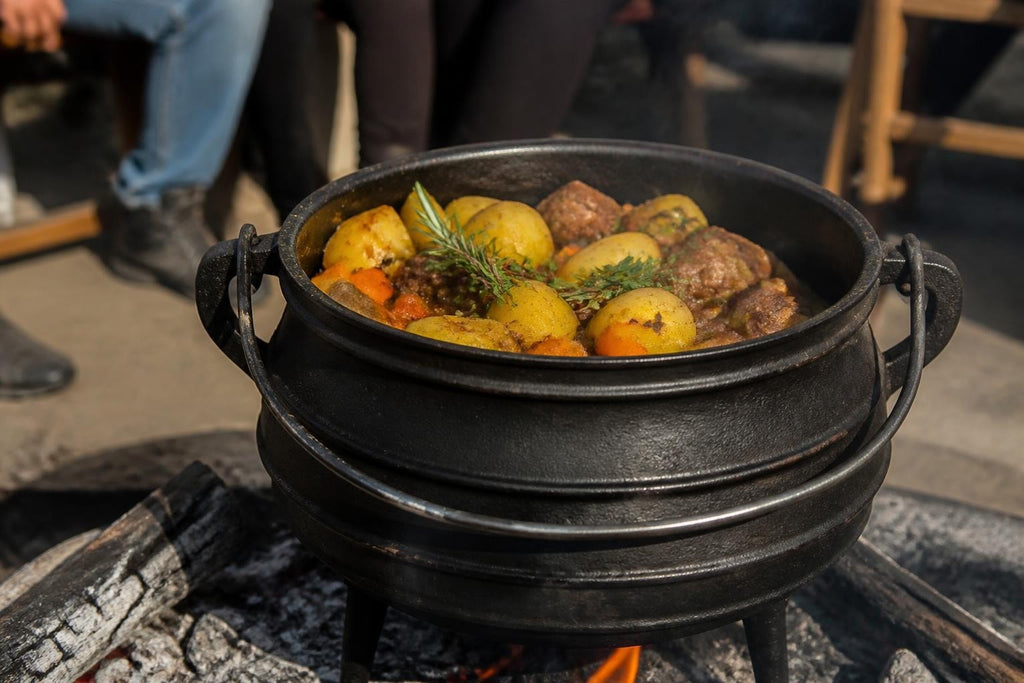
The potjie represents far more than just a cooking vessel. This iconic three-legged cast-iron pot embodies centuries of South African culinary heritage, social gathering, and the slow-food philosophy that brings communities together. For South Africans living in New Zealand, the tradition of potjie cooking connects them to home, heritage, and the unmistakable flavours of the Rainbow Nation. Whether you're an experienced potjie master or curious about this unique cooking method, understanding this cultural treasure opens a window into South African food culture that continues to thrive across the globe.
Understanding the Potjie and Its Cultural Significance
A potjie is a round, three-legged cast-iron pot with a tight-fitting lid, specifically designed for outdoor cooking over coals or an open fire. The word "potjie" (pronounced "poy-key") is Afrikaans for "small pot," though these vessels come in various sizes numbered from smallest to largest.
The traditional potjie serves multiple purposes:
- Primary cooking vessel for stews, curries, and layered dishes
- Cultural symbol of South African outdoor lifestyle
- Centrepiece for social gatherings and celebrations
- Heritage tool passed down through generations
- Competition piece at community festivals and events
The dish prepared in this pot is called potjiekos, which translates to "pot food" or "small pot food." This cooking method involves layering ingredients without stirring, allowing flavours to meld naturally as they cook slowly over several hours. The technique produces tender, richly flavoured meals that showcase South Africa's diverse culinary influences, from indigenous cooking methods to Dutch, Malay, and Indian traditions.
The Different Potjie Sizes and Their Uses
Potjie pots are numbered according to their capacity, helping cooks select the right size for their gathering. Understanding these sizes ensures you choose appropriately for your needs.
| Potjie Size | Capacity | Serves | Best For |
|---|---|---|---|
| No. 1/4 | 2 litres | 2-4 people | Couples, small families |
| No. 1 | 4 litres | 4-6 people | Standard family meals |
| No. 2 | 7 litres | 8-12 people | Extended family gatherings |
| No. 3 | 10 litres | 12-16 people | Large parties, competitions |
| No. 4+ | 15+ litres | 20+ people | Community events, festivals |
Most households own a No. 1 or No. 2 potjie for regular family use. The smaller quarter-pot has gained popularity in recent years for couples or small households wanting to enjoy traditional potjie cooking without excessive leftovers.
Traditional Potjie Recipes and Cooking Methods
The beauty of potjie cooking lies in its versatility and forgiving nature. Unlike many cooking methods that demand constant attention, potjie cooking rewards patience and restraint. The cardinal rule: never stir until serving time.
Classic Potjie Combinations
Popular protein bases include:
- Beef (oxtail, shin, or stewing cuts)
- Lamb (shoulder, neck, or shanks)
- Chicken (whole pieces on the bone)
- Venison (traditional game meats)
- Seafood (coastal variations with fish and shellfish)
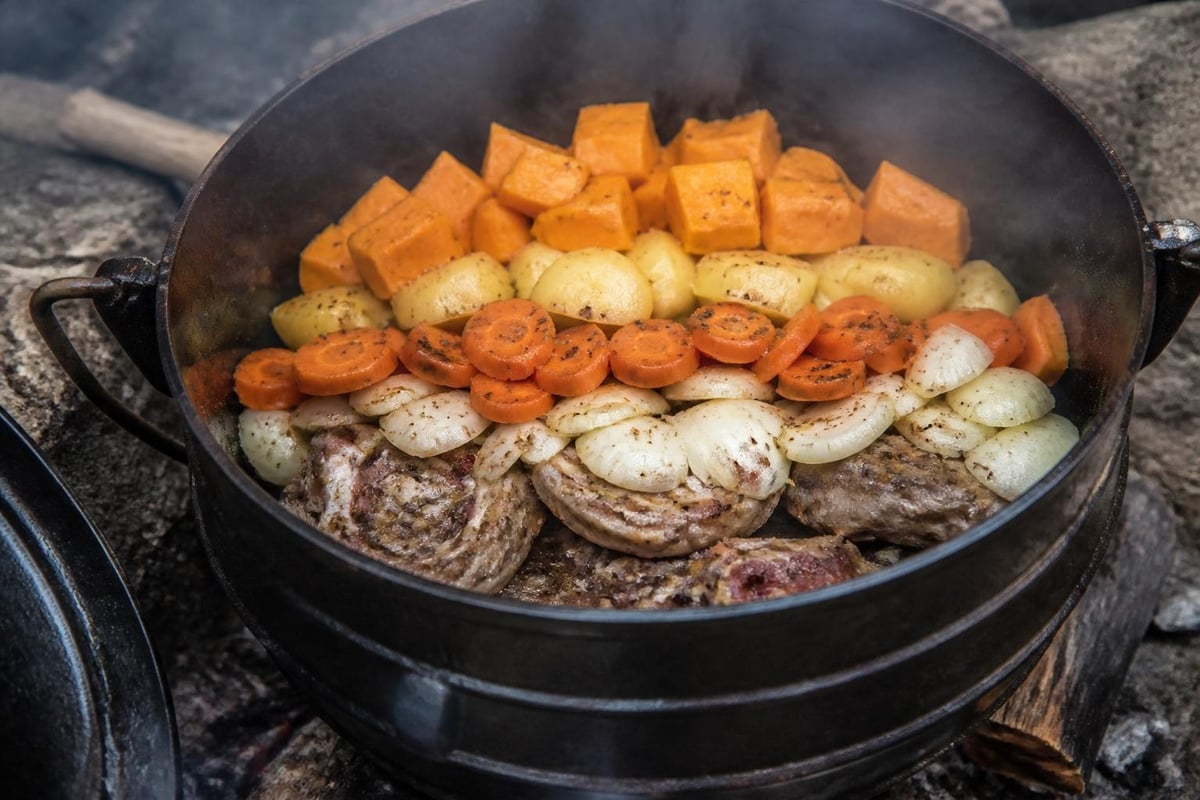
The layering sequence follows a logical pattern that ensures proper cooking. Meat goes in first, seasoned and browned if desired. Harder vegetables like potatoes and carrots follow, then softer vegetables like peppers and tomatoes. Liquids, whether wine, beer, stock, or water, are added sparingly since the pot's tight seal prevents evaporation.
South African favourites like Mrs Ball's Chutney often feature in potjie recipes, adding that distinctive sweet-spicy flavour profile that defines many traditional dishes. These authentic ingredients create the genuine taste that expatriates crave when recreating home-style cooking abroad.
The Art of Seasoning and Spicing
Proper seasoning makes the difference between good and exceptional potjiekos. Traditional spice blends incorporate influences from South Africa's multicultural heritage.
Essential seasonings include:
- Braai salt (coarse South African seasoning salt)
- Aromat (all-purpose seasoning)
- Curry powder (Cape Malay style)
- Bay leaves and peppercorns
- Fresh herbs like rosemary and thyme
Many experienced cooks create signature spice combinations that become family secrets, passed down through generations. The slow cooking process allows these flavours to develop complexity impossible to achieve through quick cooking methods.
Potjie Cooking as Social Tradition
Potjie preparation transcends mere meal preparation to become a social ritual. The extended cooking time, typically three to four hours, creates natural gathering opportunities where friends and family congregate around the fire, sharing stories and refreshments while the meal develops.
This communal aspect explains why potjie cooking remains central to South African heritage celebrations and gatherings. Heritage Day, celebrated annually on September 24th, sees thousands of South Africans fire up their potjies in a nationwide celebration of cultural diversity and culinary tradition.
Potjie gatherings typically feature:
- Preparation and fire management (first hour)
- Social time as cooking progresses (middle hours)
- Anticipation building as aromas develop
- Communal serving and eating together
- Post-meal relaxation and conversation

Competition Culture and Potjie Championships
Competitive potjie cooking has evolved into a serious sport across South Africa, with regional and national championships attracting skilled cooks who take pride in their recipes and techniques. These competitions judge entries on taste, presentation, creativity, and adherence to traditional methods.
Teams often develop elaborate themes, matching outfits, and performance elements while maintaining focus on producing exceptional potjiekos. Prize categories might include best traditional potjie, most creative recipe, best vegetarian option, and people's choice awards.
Adapting Potjie Cooking for New Zealand Conditions
South Africans living in New Zealand face unique challenges when continuing their potjie traditions. Climate differences, ingredient availability, and outdoor cooking regulations require adaptable approaches while maintaining authentic flavours.
Sourcing Authentic Ingredients in New Zealand
Finding traditional South African ingredients once posed significant challenges for expatriates. Today, dedicated South African food stores like Something From Home stock more than 2,500 products, ensuring access to authentic spices, condiments, and specialty items essential for traditional recipes.
Key ingredients to source include:
- Braai spice blends and seasoning salts
- Mrs Ball's Chutney varieties
- Aromat and other South African seasonings
- Biltong and dried sausages for added flavour
- Traditional stocks and soup powders
Having access to these authentic products allows home cooks to recreate the genuine flavours they remember, transforming a simple stew into a taste of home that resonates with cultural memory and family tradition.
Weather and Seasonal Considerations
New Zealand's climate varies significantly from South Africa's, affecting outdoor cooking practices. While South Africans might potjie year-round in mild climates, New Zealand cooks must adapt to cooler, wetter conditions, particularly in southern regions.
Seasonal strategies include:
- Summer: Traditional outdoor potjie over open fires or gas burners
- Autumn: Sheltered areas with wind protection for consistent heat
- Winter: Covered outdoor spaces or adapted indoor methods
- Spring: Variable weather requires backup plans and portable setups
Some enthusiasts invest in covered outdoor entertainment areas specifically designed for year-round potjie cooking, ensuring weather never interrupts their culinary traditions.
Health and Nutritional Benefits of Potjie Cooking
Beyond cultural significance, potjie cooking offers genuine nutritional advantages. The slow-cooking method at low temperatures preserves nutrients often lost through high-heat cooking techniques. Minimal added fats are needed since the sealed environment retains moisture naturally.
| Cooking Method | Nutrient Retention | Fat Requirements | Flavour Development |
|---|---|---|---|
| Potjie (slow) | High | Low | Excellent |
| Frying | Moderate | High | Quick |
| Boiling | Low | None | Limited |
| Roasting | Moderate | Moderate | Good |
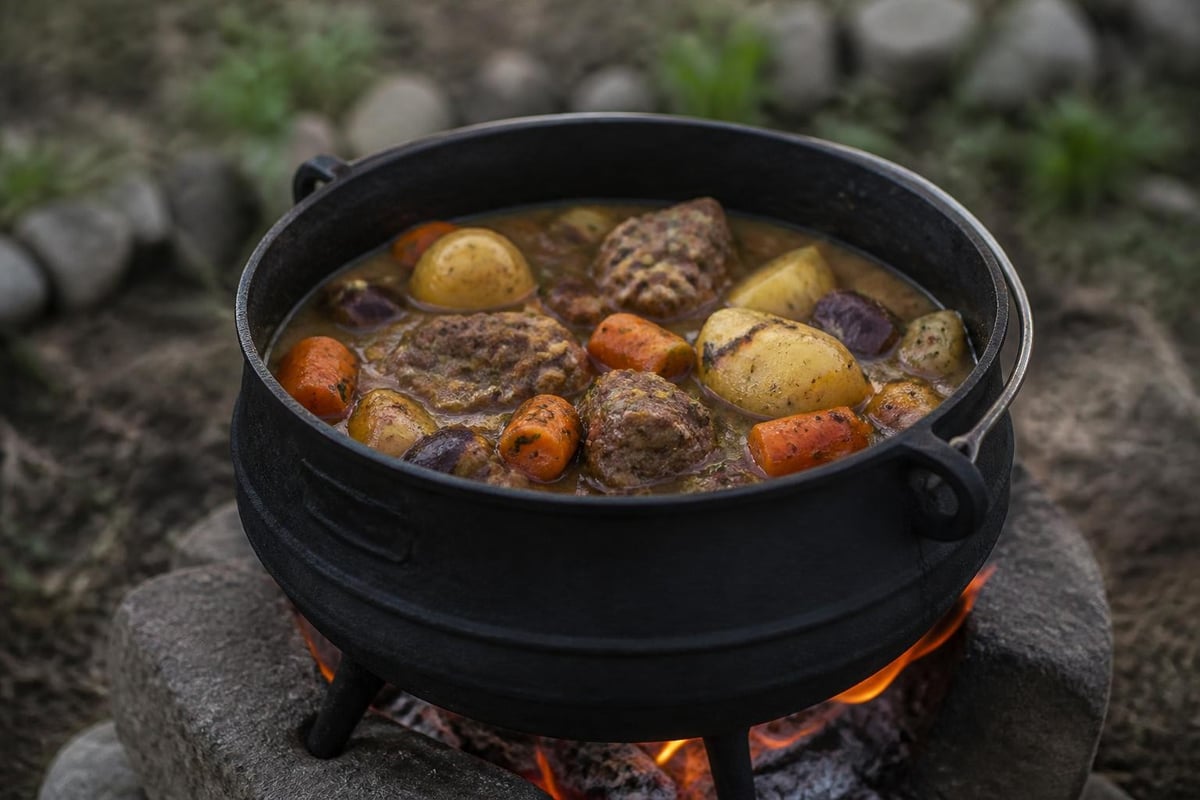
The layering technique ensures vegetables cook in meat juices and natural stocks, creating nutrient-rich sauces without artificial additives. One-pot meals also encourage balanced nutrition by combining proteins, carbohydrates, and vegetables in appropriate proportions.
Modern Dietary Adaptations
Contemporary potjie cooking accommodates various dietary requirements without compromising tradition. Vegetarian and vegan potjies celebrate South Africa's abundant produce, creating flavourful dishes centred on beans, lentils, vegetables, and plant-based proteins.
Popular adaptations include:
- Vegetarian potjies with chickpeas and root vegetables
- Vegan versions using coconut milk and vegetable stocks
- Low-carb options focusing on proteins and leafy greens
- Gluten-free preparations avoiding wheat-based thickeners
- Dairy-free curries using traditional Cape Malay spice blends
These variations maintain the essential potjie philosophy while meeting modern nutritional preferences and requirements.
Maintaining and Caring for Cast-Iron Potjies
Proper maintenance ensures potjie pots last generations, becoming seasoned cooking vessels that improve with age. Cast iron requires specific care different from modern cookware, but the effort rewards cooks with superior performance and durability.
Seasoning and Initial Preparation
New potjie pots require seasoning before first use. This process creates a natural non-stick surface and prevents rust. The factory coating must be removed by scrubbing with steel wool, then washing thoroughly with hot soapy water.
Seasoning steps:
- Dry pot completely over low heat
- Apply thin layer of cooking oil (inside and out)
- Heat pot until oil smokes slightly
- Cool and wipe excess oil
- Repeat process three to four times
This builds up protective layers that improve with each cooking session. Well-seasoned potjies develop dark, glossy interiors that release food easily and resist corrosion.
Storage and Long-Term Care
Between uses, potjie pots need proper storage to prevent rust and maintain seasoning. After cooking, clean pots with hot water and stiff brushes, avoiding harsh detergents that strip seasoning. Dry thoroughly over heat, apply thin oil coating, and store in dry locations with lids slightly ajar for air circulation.
Annual deep-seasoning refreshes the protective coating, especially if pots show rust spots or uneven surfaces. This maintenance ritual becomes part of the potjie tradition, connecting cooks to their equipment and the generations who used similar vessels.
Potjie Culture in the New Zealand South African Community
The South African expatriate community in New Zealand maintains strong cultural connections through food traditions. Potjie gatherings serve as cultural touchstones where families introduce their children to heritage, language, and customs while building community bonds with fellow South Africans.
These events often feature alongside other South African traditions like braais, rugby watching parties, and heritage celebrations. The combination creates immersive cultural experiences that help maintain identity while integrating into New Zealand society.
Community potjie events include:
- Heritage Day celebrations in September
- Sports tournament gatherings
- Fundraising events for South African causes
- Social club meetings and family reunions
- Cultural education days for younger generations
Venues ranging from private homes to community centres and outdoor parks host these gatherings, with experienced cooks mentoring newcomers in traditional techniques.
Teaching the Next Generation
Many South African families in New Zealand prioritise teaching children traditional cooking methods, ensuring cultural knowledge transfers across generations. Potjie cooking provides hands-on education in patience, planning, flavour building, and the social aspects of shared meals.
Children learn ingredient selection, fire management, timing, and the discipline of not stirring while understanding the cultural significance behind each step. These lessons extend beyond cooking to encompass broader life skills and cultural identity formation.
Regional Variations and Modern Innovations
While traditional potjie recipes follow established patterns, regional variations reflect South Africa's diverse culinary landscape. Coastal areas favour seafood potjies with linefish, mussels, and prawns. Inland regions celebrate game meats like kudu, springbok, and ostrich. Cape Town's Malay influence introduces fragrant curries, while KwaZulu-Natal contributes Indian-spiced variations.
Fusion and Contemporary Interpretations
Modern potjie cooks experiment with fusion concepts, incorporating international flavours while maintaining traditional methods. Thai-inspired curries, Mexican-style bean potjies, and Mediterranean vegetable combinations demonstrate the technique's versatility.
Innovative approaches include:
- Asian fusion with lemongrass and coconut
- Mediterranean combinations with olives and feta
- Middle Eastern spice profiles with preserved lemons
- South American influences with corn and peppers
- Indigenous ingredients like kumara and native herbs
These adaptations honour the slow-cooking philosophy while creating dishes that appeal to diverse palates and reflect New Zealand's multicultural food scene.
Essential Equipment Beyond the Pot
While the cast-iron pot remains central, successful potjie cooking requires supporting equipment. Proper fire management tools, serving implements, and accessories enhance the experience and ensure consistent results.
Recommended equipment includes:
- Long-handled tongs for fire and coal management
- Heat-resistant gloves for pot handling
- Wooden spoon for final serving
- Lid lifter for checking progress
- Fire grate or gas burner for heat control
- Thermometer for coal temperature monitoring
Dedicated potjie enthusiasts often invest in custom setups including permanent outdoor cooking stations, storage solutions for equipment, and even purpose-built entertainment areas designed around potjie traditions. For those seeking to create complete outdoor entertaining spaces, quality outdoor furnishings and weather-resistant setups ensure comfort during extended cooking sessions. Noble Signature Group provides hospitality-grade linens and textiles that bring indoor comfort to outdoor settings, perfect for extended potjie gatherings where guests relax for hours while meals develop.
The Economics of Potjie Cooking
Potjie cooking offers economic advantages beyond its cultural and social benefits. Slow-cooking methods transform affordable cuts of meat into tender, flavourful dishes. Tough, inexpensive cuts like shin, neck, and oxtail excel in potjie cooking, where extended cooking times break down connective tissues into rich, gelatinous sauces.
Cost-effective aspects include:
- Utilises budget-friendly meat cuts
- Minimises energy costs (outdoor fires, low gas use)
- Feeds large groups from single pot
- Creates minimal waste through complete ingredient use
- Leftovers often improve with reheating
One potjie can feed ten to twelve people for less than restaurant costs per person, making it ideal for entertaining and large family gatherings.
Ingredient Accessibility and Value
While authentic South African ingredients add traditional flavours, potjie cooking adapts to locally available produce. New Zealand's excellent meat quality, diverse vegetables, and multicultural spice availability support both traditional and adapted recipes. This article celebrates the enduring tradition of South African food that continues to bring communities together through shared meals and cultural heritage.
Potjie cooking represents a living tradition that connects South Africans to their heritage while adapting to new environments and modern lifestyles. Whether you're preparing your first potjie or continuing family traditions passed down through generations, authentic ingredients make all the difference in recreating those cherished flavours. Something From Home stocks everything you need to bring traditional South African potjie cooking to your New Zealand home, from essential spices and seasonings to specialty ingredients that transform simple stews into authentic taste experiences. Browse our extensive range of South African products and start your own potjie tradition today.