Pickle Vegetable: A South African Food Tradition
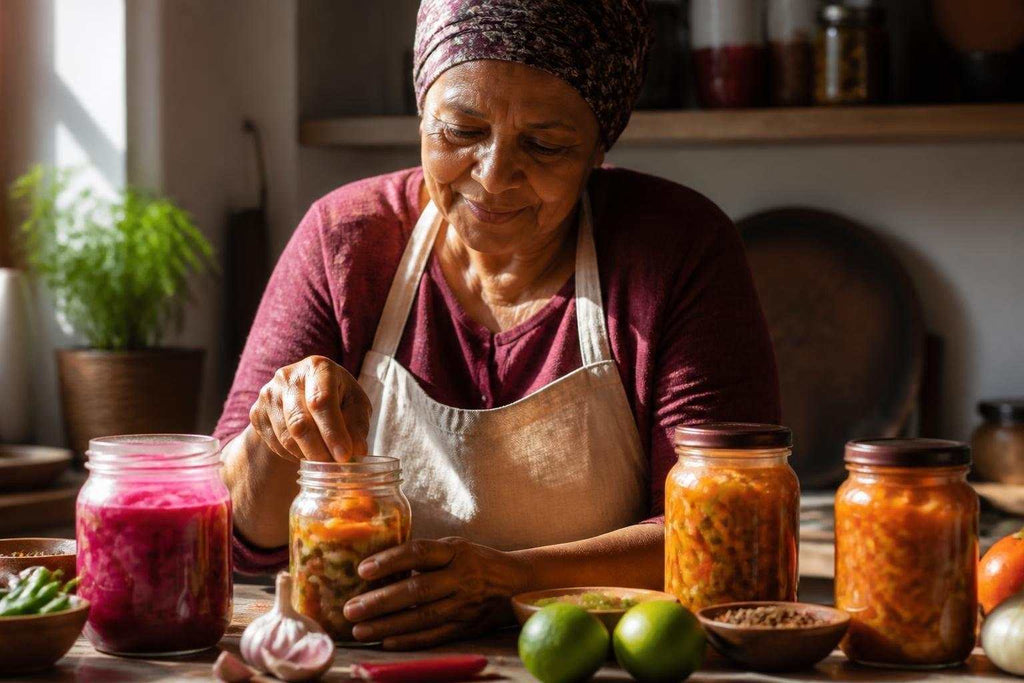
The art of preserving vegetables through pickling represents one of the most cherished traditions in South African cuisine, creating tangy, flavourful accompaniments that elevate every meal. Whether it's the fiery atchar served alongside curry, the sweet-and-sour pickled onions that grace a Sunday braai, or the mixed pickle vegetable relishes that add zest to sandwiches and cold meats, these preserved delights hold a special place in South African food culture. For South Africans living in New Zealand, accessing authentic pickle vegetable varieties connects them to home, family traditions, and the distinctive flavours that define their culinary heritage.
The Cultural Significance of Pickle Vegetable in South African Cuisine
South African pickle vegetable traditions reflect the country's diverse cultural influences, blending Indigenous preservation methods with Dutch, British, Malay, and Indian techniques. This fusion created unique preparations that became staples in South African households across all communities.
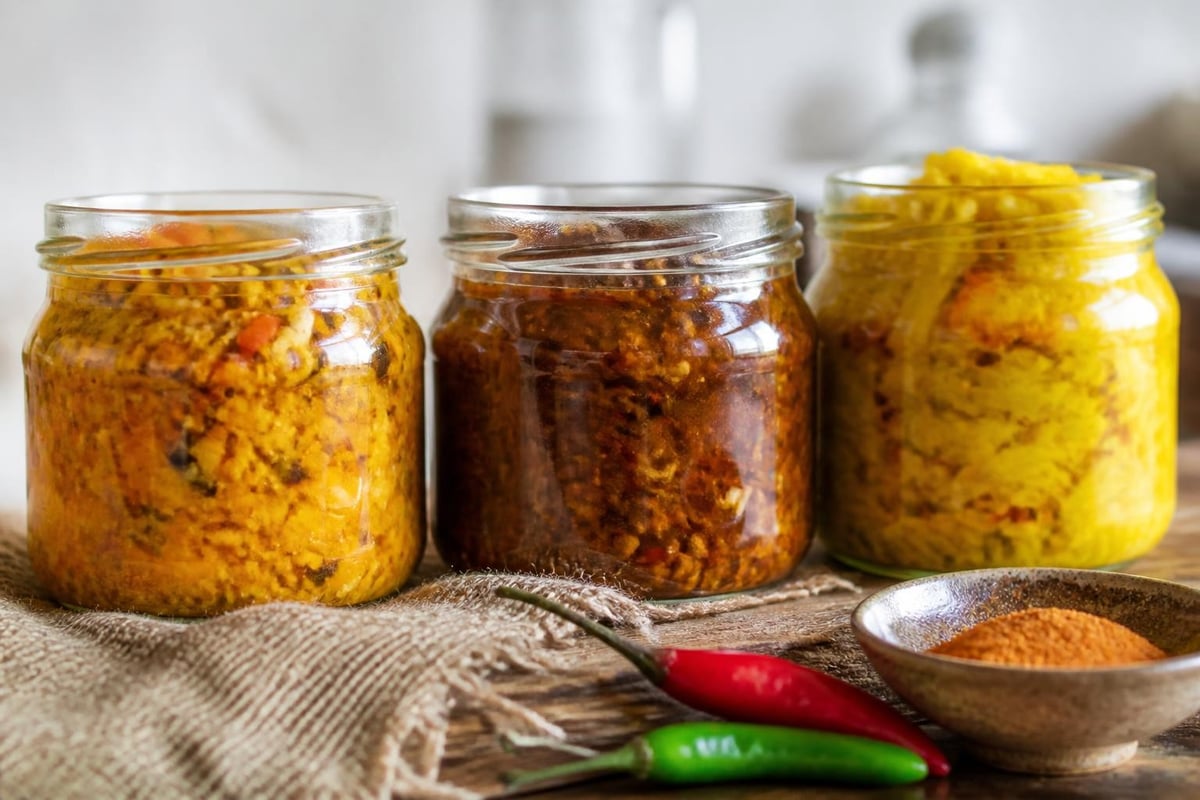
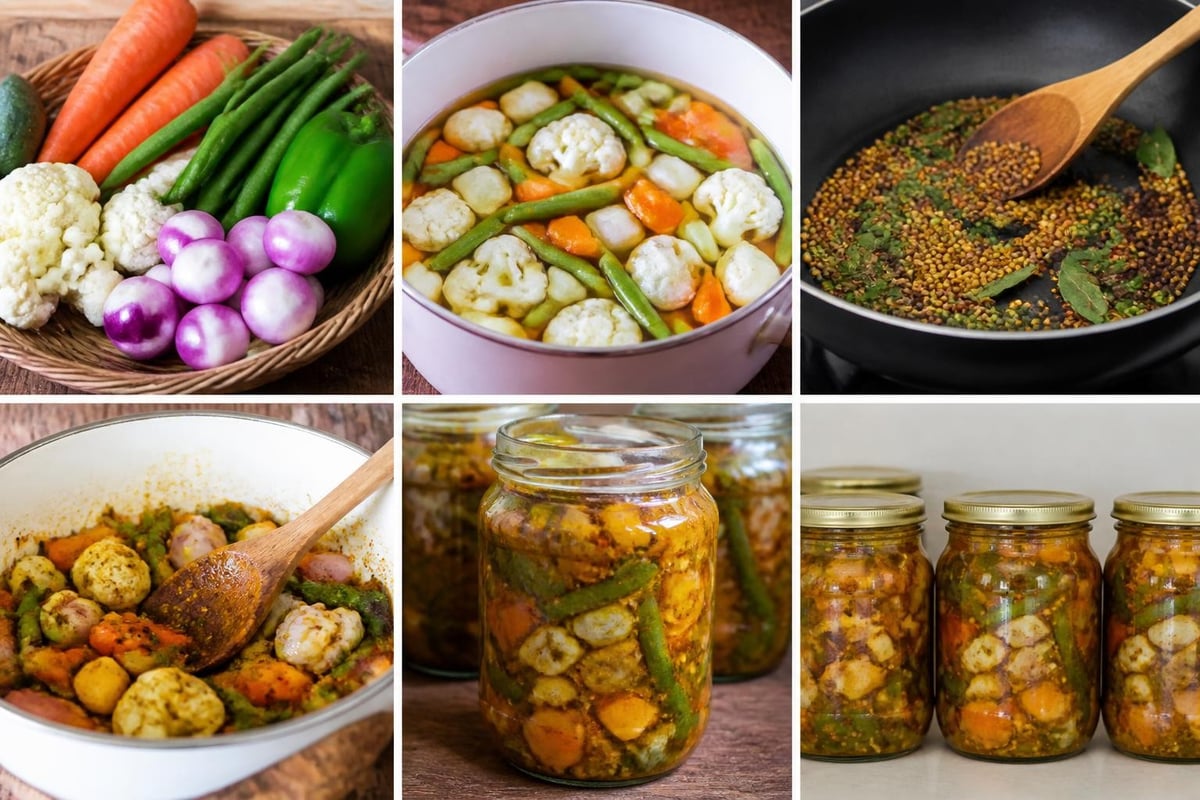
Atchar stands as perhaps the most iconic South African pickle vegetable, originating from the Cape Malay and Indian communities. This spicy, oil-based preserve typically features vegetables like carrots, green beans, cauliflower, and green mangoes, mixed with aromatic spices including mustard seeds, turmeric, and chilli. Every family guards their atchar recipe jealously, passing down techniques through generations.
Regional Pickle Vegetable Variations
Different regions developed distinctive pickle vegetable styles:
- Cape Malay Atchar: Features mild curry spices with a balance of sweet and tangy notes
- Durban Atchar: Known for intense heat levels and robust Indian spice profiles
- Afrikaner Pickled Onions: Sweet vinegar-based preparations served with cold meats
- Mixed Vegetable Pickles: Combination preserves featuring beetroot, cauliflower, and beans
The preparation of pickle vegetable varieties often coincided with harvest seasons, when families would preserve abundant produce for year-round enjoyment. This practical necessity evolved into a culinary art form, with competitive home preservers showcasing their skills at agricultural shows and community events.
Health Benefits and Nutritional Value of Pickle Vegetable
Beyond their delicious taste, pickle vegetable preparations offer significant nutritional advantages. Fermented vegetables provide health benefits that enhance digestive health and preserve essential nutrients through the fermentation process.
Traditional pickle vegetable methods often involve fermentation, which creates beneficial probiotics. These microorganisms support gut health, improve digestion, and may strengthen immune function. The health benefits of pickles extend beyond probiotics, including hydration support and electrolyte provision.
Nutritional Components in Common Pickle Vegetable Types
| Pickle Vegetable Type | Key Nutrients | Primary Health Benefits |
|---|---|---|
| Pickled Beetroot | Folate, Manganese, Potassium | Heart health, blood pressure regulation |
| Atchar (Mixed Vegetables) | Vitamins A, C, K | Antioxidant protection, immune support |
| Pickled Onions | Quercetin, Chromium | Anti-inflammatory properties, blood sugar control |
| Pickled Cauliflower | Vitamin C, Fibre | Digestive health, cellular protection |
Pickled beetroot deserves special mention as a South African favourite. Pickled beets offer numerous health benefits, including antioxidants that support cardiovascular health and compounds that may help regulate blood pressure naturally.
The vinegar base used in many pickle vegetable preparations provides additional benefits. Vinegar consumption may assist with weight management, blood sugar stabilization, and appetite regulation. However, those monitoring sodium intake should be mindful of the salt content in commercially prepared pickle vegetable products.
Traditional South African Pickle Vegetable Recipes and Methods
Creating authentic South African pickle vegetable at home requires understanding both quick pickling and long-term preservation techniques. Safe vegetable pickling methods ensure food safety whilst maintaining optimal flavour and texture.
Quick Pickle Vegetable Preparation
Quick pickling produces ready-to-eat results within 24-48 hours, perfect for immediate enjoyment:
- Select fresh, firm vegetables such as cucumbers, carrots, onions, or cauliflower
- Prepare a vinegar brine using white vinegar, sugar, salt, and spices
- Heat the brine until sugar and salt dissolve completely
- Pour hot brine over prepared vegetables in sterilised jars
- Refrigerate for 24 hours before serving
South Africans often add distinctive spices to their pickle vegetable creations, including curry leaves, whole mustard seeds, coriander seeds, and bird's eye chillies. These aromatics transform simple preserved vegetables into flavour-packed condiments.
Traditional Fermented Atchar Method
Authentic atchar requires a fermentation process that develops complex flavours over several weeks. The method involves layering vegetables with salt, allowing natural fermentation to occur, then mixing with oil and spices. This labour-intensive process creates the distinctive tang and depth that commercial versions often lack.
Critical steps for successful atchar preparation include:
- Using precise salt ratios to encourage proper fermentation
- Maintaining consistent temperatures during the fermentation period
- Adding oil to preserve vegetables and carry spice flavours
- Storing in sterilised containers to prevent contamination
Achieving crisp home-pickled vegetables requires attention to detail, including using fresh produce, removing blossom ends from cucumbers, and maintaining proper brine temperatures.
Finding Authentic South African Pickle Vegetable in New Zealand
South Africans living in New Zealand often search for authentic pickle vegetable varieties that capture the tastes of home. The distinctive flavour profiles of South African preserves differ significantly from local New Zealand pickled products, making specialty suppliers essential.
Something From Home operates as a dedicated South African food store in New Zealand, stocking 2,200 South African products including authentic pickle vegetable varieties. Their warehouse selection includes classic brands that South African expatriates recognise immediately, from Mrs Ball's Chutney to various atchar preparations.
Popular Pickle Vegetable Products for Expatriates
The demand for specific pickle vegetable items reflects deep cultural connections:
- Mrs Ball's Chutney: Though technically a fruit-based preserve, it serves similar culinary functions to vegetable pickles
- All Gold Tomato Sauce with Chilli Bits: A tangy accompaniment with pickled characteristics
- Traditional Atchar: Various heat levels and vegetable combinations
- Pickled Onions: Sweet vinegar preparations for cold meat platters
- Mixed Vegetable Pickles: Combination jars featuring beetroot, cauliflower, and beans
When shopping for African grocery items online, South Africans prioritise authentic pickle vegetable products that match childhood memories and family recipes. The ability to purchase these items through African food online platforms eliminates the frustration of searching local New Zealand supermarkets for speciality products.
Incorporating Pickle Vegetable into Modern Meals
Contemporary South African cuisine embraces pickle vegetable as more than traditional accompaniments. Modern cooks incorporate these preserved delights into fusion dishes, creative appetisers, and innovative meal preparations.
Creative uses for pickle vegetable in everyday cooking:
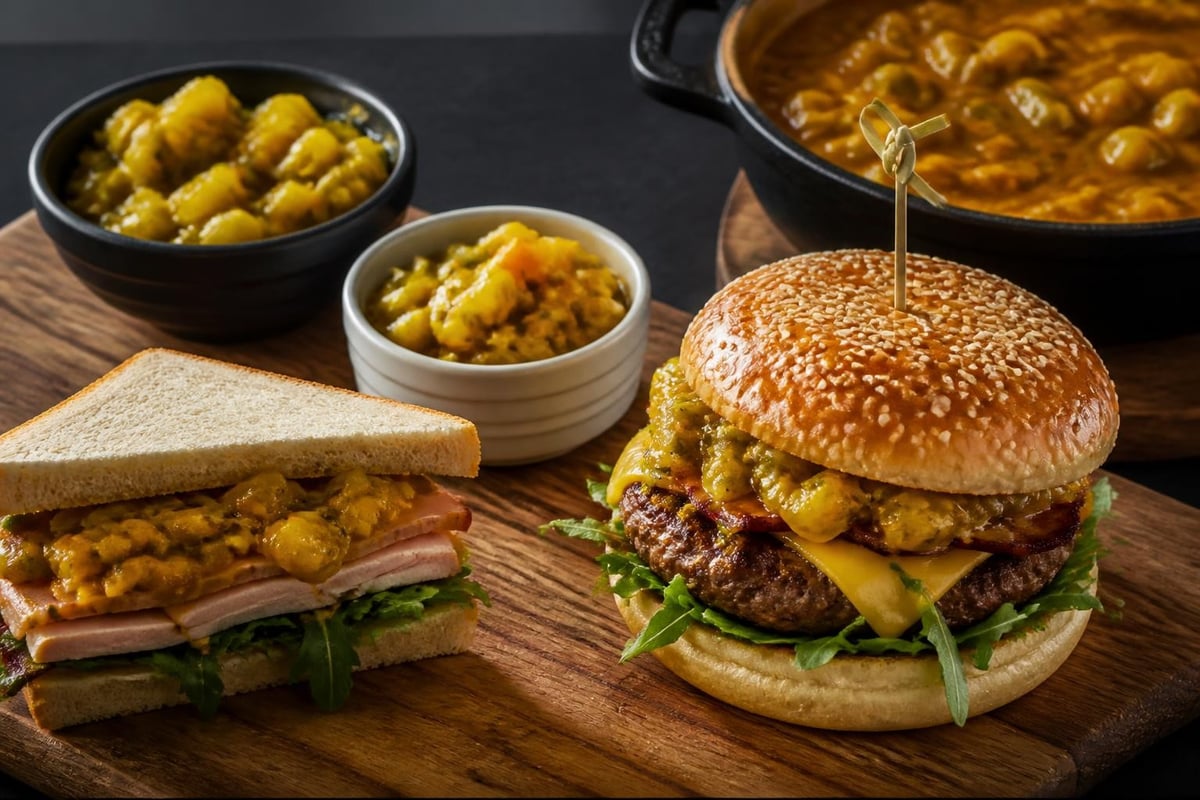
- Adding chopped atchar to mayonnaise for sandwich spreads
- Mixing pickled vegetables into potato salad for tangy complexity
- Using pickle brine as a marinade base for chicken or fish
- Topping burgers and hot dogs with traditional pickled onions
- Incorporating diced pickles into devilled egg fillings
- Creating cheese boards featuring pickle vegetable varieties
The versatility of pickle vegetable extends to beverage applications as well. Pickle juice serves as a popular mixer in cocktails, whilst some athletes consume it for electrolyte replenishment after exercise. The benefits of pickles include potential support for muscle cramp relief, making pickle vegetable brine a functional food component.
Pairing Pickle Vegetable with Traditional South African Dishes
Certain pickle vegetable varieties pair perfectly with specific South African meals:
| Main Dish | Recommended Pickle Vegetable | Flavour Synergy |
|---|---|---|
| Bunny Chow | Hot Mixed Atchar | Complements curry spices |
| Braai Meat | Sweet Pickled Onions | Cuts through richness |
| Bobotie | Mild Fruit Atchar | Enhances curry notes |
| Cold Meat Platter | Pickled Beetroot | Adds colour and tang |
| Boerewors Roll | Mixed Vegetable Pickle | Provides textural contrast |
South African food culture emphasises balance, with pickle vegetable serving as the acidic component that brightens rich, hearty dishes. This principle applies whether serving traditional South African curry and rice or contemporary fusion creations.
The Science Behind Successful Pickle Vegetable Preservation
Understanding the chemistry of pickling ensures food safety and optimal flavour development. The pickle vegetable preservation process relies on acid, salt, and sometimes beneficial bacteria to create stable, long-lasting products.
Acidity serves as the primary preservation mechanism in most pickle vegetable preparations. Vinegar-based pickles achieve pH levels below 4.6, which inhibits harmful bacterial growth including botulism. The USDA research on fermented vegetables confirms that proper acidification creates safe, shelf-stable products.
Critical Factors in Pickle Vegetable Production
Several variables determine the success of pickle vegetable preservation:
- Vegetable freshness: Older produce contains enzymes that compromise texture
- Salt concentration: Proper ratios encourage fermentation whilst inhibiting spoilage
- Temperature control: Consistent conditions during pickling prevent quality issues
- Jar sterilisation: Clean containers eliminate contamination sources
- Headspace management: Proper filling prevents oxidation and spoilage
Commercial pickle vegetable producers maintain strict quality controls to ensure consistency and safety. Home preservers should follow comprehensive pickling guidelines that outline safe procedures for various preservation methods.
The fermentation process in traditional pickle vegetable preparations creates lactic acid through bacterial action. This natural preservation method produces distinct flavour profiles whilst generating beneficial probiotics. However, fermented pickle vegetable requires careful monitoring to ensure proper acidification and prevent harmful bacterial growth.
Storage and Shelf Life of Pickle Vegetable Products
Proper storage extends the shelf life of pickle vegetable whilst maintaining optimal quality. Different preparation methods require specific storage approaches to preserve flavour, texture, and safety.
Refrigerator pickle vegetable preparations, including quick pickles and fresh atchar, require constant refrigeration. These products typically maintain quality for 3-6 months when stored properly. Signs of spoilage include cloudiness, off odours, mould growth, or softening vegetables beyond normal pickled texture.
Storage Requirements by Pickle Vegetable Type
- Quick Pickles: Refrigerate immediately, consume within 2-3 months
- Fermented Atchar: Refrigerate after opening, lasts 6-12 months
- Canned Pickles: Store in cool, dark pantry until opening, refrigerate afterwards
- Oil-Based Preserves: Keep in pantry unopened, refrigerate after opening
Commercially produced pickle vegetable found at South African food stores typically undergoes professional processing that ensures longer shelf life. These products feature proper sealing, controlled acidity levels, and quality ingredients that maintain stability during shipping from South Africa to New Zealand.
When purchasing pickle vegetable online, check expiration dates and packaging integrity. Reputable suppliers ensure proper handling throughout the distribution chain, maintaining product quality from warehouse to customer doorstep.
The Economic and Emotional Value of Pickle Vegetable for Expatriates
For South Africans living abroad, pickle vegetable represents more than food. These preserved delights carry emotional significance, triggering memories of family gatherings, festive celebrations, and Sunday lunches that defined childhood experiences.
The psychological comfort of familiar foods helps expatriates maintain cultural identity whilst adapting to new environments. A jar of authentic atchar on the table transforms an ordinary New Zealand meal into a connection with South African heritage. This emotional value justifies the premium pricing that imported South African products command in international markets.
Economic considerations influence pickle vegetable purchasing decisions:
- Import costs add to retail prices for authentic South African brands
- Shipping weight impacts overall product costs
- Shelf-stable items offer better value than refrigerated varieties
- Bulk purchasing reduces per-unit costs for frequently used items
South African shops in New Zealand understand these dynamics, balancing competitive pricing with product authenticity. When shopping at established suppliers, customers access genuine South African pickle vegetable varieties without compromising on quality or paying excessive markups.
The growing South African expatriate community in New Zealand creates sustained demand for authentic food products. This market supports speciality retailers who invest in comprehensive product ranges, reliable supply chains, and customer service tailored to expatriate needs.
Making Informed Choices When Purchasing Pickle Vegetable
Navigating the pickle vegetable market requires understanding quality indicators, brand reputations, and value propositions. Informed consumers make better purchasing decisions that satisfy taste preferences whilst managing budgets effectively.
Quality Indicators in Pickle Vegetable Products
| Quality Factor | What to Look For | Why It Matters |
|---|---|---|
| Ingredient List | Short, recognisable ingredients | Indicates authentic preparation |
| Colour Vibrancy | Bright, natural colours | Suggests freshness and quality |
| Texture | Firm, crisp vegetables | Shows proper pickling technique |
| Spice Balance | Aromatic, well-balanced flavours | Reflects recipe expertise |
| Packaging | Intact seals, clear labelling | Ensures safety and traceability |
Brand recognition plays a significant role in pickle vegetable selection. Established South African brands maintain consistent quality through standardised recipes and professional production facilities. Lesser-known brands may offer value, but require careful evaluation to ensure they meet quality expectations.
Reading online reviews helps identify superior pickle vegetable options before purchasing. Fellow South African expatriates share honest assessments of products, highlighting which items authentically replicate homemade flavours and which fall short. These community insights prove invaluable when building a reliable shopping list for ordering South African products online.
Price comparisons across different suppliers reveal market positioning and value opportunities. However, the cheapest pickle vegetable may not deliver the authentic taste that justifies the purchase. Balancing cost with quality ensures satisfaction with every jar opened.
Sustainability Considerations in Pickle Vegetable Consumption
Modern consumers increasingly consider environmental impacts when making food choices. The pickle vegetable industry faces sustainability questions regarding packaging, transportation, and production methods.
Glass jars offer recyclability advantages over plastic containers, though they add weight during shipping. The carbon footprint of importing pickle vegetable from South Africa to New Zealand includes air or sea freight emissions. Conscious consumers weigh these environmental costs against the cultural and emotional benefits of accessing authentic products.
Sustainable pickle vegetable practices include:
- Choosing brands using recyclable packaging materials
- Purchasing larger jar sizes to reduce packaging waste
- Supporting producers implementing sustainable farming practices
- Making homemade pickle vegetable when feasible
- Properly recycling containers after use
Some expatriates balance sustainability concerns by making occasional large orders rather than frequent small purchases, reducing overall shipping impacts. Others explore local New Zealand vegetables for homemade pickle vegetable, adapting traditional South African recipes to locally available produce.
The debate between authenticity and sustainability lacks simple answers. Each consumer determines their priority balance, with some favouring environmental considerations whilst others prioritise cultural connection through imported authentic products.
Teaching Pickle Vegetable Traditions to New Generations
South African families living in New Zealand face the challenge of passing culinary traditions to children growing up in a different food culture. Pickle vegetable preparation offers hands-on learning opportunities that teach food preservation whilst creating family bonding experiences.
Involving children in pickle vegetable making develops practical skills, patience, and appreciation for traditional preparation methods. Young people learn chemistry principles through observing fermentation, mathematics through measuring ingredients, and cultural history through family recipe stories.
Educational Aspects of Pickle Vegetable Preparation
Children gain multiple benefits from participating in pickle vegetable making:
- Scientific understanding: Observing how salt and acid preserve food
- Cultural identity: Connecting to South African heritage through traditional recipes
- Practical skills: Learning kitchen safety and food handling techniques
- Patience development: Understanding that quality results require time
- Family bonding: Creating shared experiences and memories
Parents often simplify pickle vegetable recipes when teaching children, focusing on quick refrigerator pickles before progressing to complex fermented preparations. This graduated approach builds confidence whilst maintaining engagement through achievable results.
Documenting family pickle vegetable recipes preserves knowledge for future generations. Written records, video demonstrations, or digital recipe collections ensure traditional methods survive beyond individual memories. These archives become treasured family heirlooms, connecting future descendants to their South African roots.
The Future of Pickle Vegetable in South African-New Zealand Communities
The South African expatriate community in New Zealand continues growing, sustaining demand for authentic food products including pickle vegetable varieties. This demographic trend supports specialised retailers whilst encouraging product innovation and market expansion.
Emerging trends in the pickle vegetable market include:
- Artisanal small-batch producers creating premium preserves
- Health-focused preparations emphasising probiotic benefits
- Fusion flavours blending South African and New Zealand ingredients
- Online communities sharing homemade pickle vegetable recipes
- Increased availability through mainstream New Zealand retailers
Technology facilitates connections between expatriates and home country food culture. Online ordering platforms, social media recipe sharing, and video tutorials help maintain pickle vegetable traditions despite geographic distance. These digital tools complement physical South African food stores, creating comprehensive support networks for expatriate communities.
The nutritional benefits of pickled vegetables align with broader health trends emphasising gut health, fermented foods, and whole food nutrition. This convergence may increase mainstream interest in traditional South African pickle vegetable preparations, expanding their appeal beyond expatriate markets.
Climate considerations may influence future pickle vegetable production and distribution. Shifting weather patterns affect vegetable growing seasons, whilst environmental regulations impact international food transportation. These factors could reshape how South African expatriates access authentic products in coming decades.
Pickle vegetable traditions connect South African expatriates to their heritage whilst offering nutritional benefits and culinary versatility that enhance modern meals. Whether purchasing authentic imported varieties or creating homemade versions adapted to New Zealand ingredients, these preserved delights maintain their cultural significance across generations and geographic distances. For South Africans seeking genuine products that capture the flavours of home, Something From Home provides access to authentic pickle vegetable options alongside thousands of other South African favourites, delivered throughout New Zealand with the care and understanding that only fellow South Africans can provide.