Pap African Food Guide: Discover Flavours in 2026
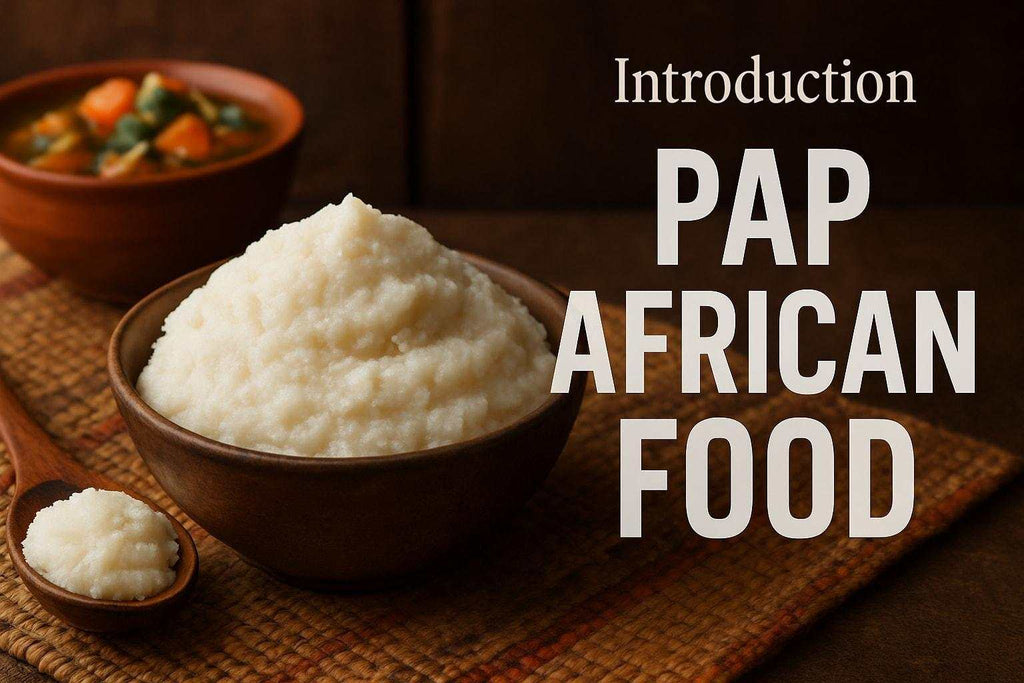
Let your senses be awakened by the rich aroma and comforting texture of pap african food. This beloved staple is woven into the fabric of African culture, bringing people together at every meal.
In this guide, we delve into the origins, unique preparations, and contemporary takes on pap african food. Discover how tradition meets innovation, offering both nostalgia and new experiences.
You’ll explore pap’s journey from its historical roots to modern kitchens, uncovering regional variations, classic recipes, and nutritional insights. Whether you’re a curious foodie or seeking a taste of home in New Zealand, this comprehensive overview will guide you in embracing authentic African flavours in 2026.
The Origins and Cultural Significance of Pap
Discovering the roots of pap african food reveals a story of tradition, community, and adaptation. This beloved staple is more than just a meal—it symbolises heritage across the continent. Let us explore how pap african food has woven itself into the fabric of daily life and celebration.

What is Pap? Defining Africa’s Beloved Staple
Pap african food is a maize-based porridge that has long been a pillar of Southern African cuisine. Its preparation is simple—maize meal is cooked with water and salt to create a versatile dish enjoyed at any time of day. Across the continent, pap goes by other names: in Zimbabwe, it is called sadza, while in East Africa, it is known as ugali.
The key differences among these dishes come down to texture and local preferences. Pap is often smoother, while sadza and ugali can be firmer or more crumbly. The table below summarises the regional distinctions:
| Name | Region | Texture | Common Pairings |
|---|---|---|---|
| Pap | South Africa | Soft to stiff | Tomato relish, meats |
| Sadza | Zimbabwe | Firm | Greens, stews |
| Ugali | East Africa | Dense, thick | Fish, vegetables |
Historically, pap african food emerged after maize was introduced to Africa in the 16th century, gradually replacing traditional grains. Over generations, it evolved into a symbol of sustenance and unity, celebrated for its adaptability and comforting qualities. For deeper insight into its cultural roots, see Pap's Role in South African Cuisine.
Pap in South African Tradition and Daily Life
In South Africa, pap african food is more than a staple—it is central to the rhythm of family life and communal gatherings. It is served at braais, where friends and relatives share grilled meats and laughter. At weddings and national holidays, pap brings people together around the table, reinforcing bonds of kinship.
The act of serving pap is a gesture of hospitality, symbolising care and welcome. Whether it is a weekday family dinner or a festive occasion, pap is often at the heart of the menu. Its presence reflects the deep connection between food and identity, supporting the sense of belonging that defines South African culture.
Regional Variations Across Africa
Pap african food takes on unique forms across the continent. In South Africa, it is typically soft or stiff, while Zimbabwean sadza is denser. East African ugali, meanwhile, is known for its thick, hearty consistency. These differences are not just about taste, but also about local customs and available ingredients.
Flavour and texture can shift dramatically depending on the region. Some communities add butter or milk for richness, while others prefer a plainer version. According to Stats SA (2025), over 50 percent of South African households consume pap daily, highlighting its enduring popularity and cultural importance.
Pap’s Place in Modern African Cuisine
Today, pap african food is experiencing a renaissance in urban kitchens and contemporary restaurants. Chefs are reimagining pap with global influences, pairing it with everything from spicy curries to Mediterranean-style vegetables. Health-conscious diners embrace pap for its versatility, as it fits easily into vegan and plant-based diets.
Fusion dishes such as pap lasagna or pap pizza have emerged, blending tradition with innovation. This adaptability ensures pap remains relevant, offering both comfort and creativity to a new generation of food lovers.
Pap and Community: Social and Economic Impact
The production and enjoyment of pap african food support local farmers and small businesses. Community initiatives focus on improving access to nutritious maize meal and educating families about its benefits. In this way, pap not only nourishes individuals but also strengthens communities, fostering resilience and opportunity.
Types of Pap: Textures, Flavours, and Regional Styles
Pap African food is renowned for its incredible versatility, offering a spectrum of textures, flavours, and regional styles that reflect Africa’s diverse culinary heritage. Whether you prefer it creamy, firm, or crumbly, there is a pap style to suit every palate and occasion. Let’s explore the main types and discover what makes each unique in the world of pap african food.

Soft Pap (Slap Pap)
Soft pap, or slap pap, is a creamy, smooth version of pap african food that is especially popular for breakfast and light lunches. This style is achieved by using a higher water-to-maize meal ratio and constant stirring to create a porridge-like consistency.
Common pairings for slap pap include:
- Tomato sauce
- Chakalaka (spicy vegetable relish)
- Eggs and sausages for breakfast
In Johannesburg, brunch spots often serve soft pap with savoury toppings, making it a comforting start to the day. Its gentle texture makes it ideal for children and those new to pap african food.
Stiff Pap (Stywe Pap)
Stiff pap, known as stywe pap, is the firmest variety of pap african food. To achieve this texture, less water is used, and the mixture is stirred until thick and dense. This version holds its shape, making it perfect as a base for hearty stews and traditional braaied meats.
Stywe pap is a staple at South African braais, where it is commonly served alongside:
- Boerewors (traditional sausage)
- Tomato-and-onion gravy
- Grilled chicken or beef
The robust nature of stywe pap allows it to soak up sauces and flavours, making it a favourite for family gatherings and festive occasions in the pap african food tradition.
Crumbly Pap (Krummel Pap)
Crumbly pap, or krummel pap, is a unique style of pap african food distinguished by its grainy, fluffy texture. Prepared by slowly mixing maize meal into boiling water with minimal stirring, krummel pap forms small, soft granules rather than a smooth mass.
This version is especially popular at:
- Traditional potjie gatherings
- Outdoor braais
- Events with tomato-and-onion gravy
Krummel pap’s light, airy structure is perfect for absorbing rich sauces, and it is often enjoyed as a side during communal meals, highlighting the social nature of pap african food.
Regional Pap Specialties
Across Africa, pap african food takes on various forms and names, each with its own preparation method and cultural context. In Limpopo, putu pap is prepared with coarse maize meal for a rustic, crumbly finish. KwaZulu-Natal is known for phutu, a similar style enjoyed in rural communities and at Zulu celebrations.
For a broader look at how these dishes compare to other African staples, you can explore Ugali and Its Variations Across Africa, which details similar maize-based foods like sadza, nshima, and ugali found throughout the continent.
These regional differences celebrate the adaptability of pap african food, ensuring its place in diverse African cuisines.
Flavour Variations and Modern Twists
Modern interpretations of pap african food are expanding beyond tradition, with creative flavour infusions and fusion dishes gaining popularity in urban kitchens. Some contemporary twists include:
- Adding cheese, herbs, or spices to the maize meal
- Using pap as a base for lasagna or pizza
- Serving pap bowls with global toppings like avocado, pulled meats, or grilled vegetables
Restaurants in Cape Town and Durban are leading the way with innovative pap african food menus, blending classic comfort with modern flair. These fresh takes keep pap relevant and exciting for a new generation of food lovers.
Cooking Pap: Traditional Methods and Step-by-Step Guide
Unlocking the secrets of pap african food begins with understanding its humble ingredients and the traditional tools that transform maize meal into a comforting staple. Whether you’re new to pap or refining your technique, this section guides you through every stage, from sourcing essentials to serving up perfect pap with confidence.
Ingredients and Equipment Needed
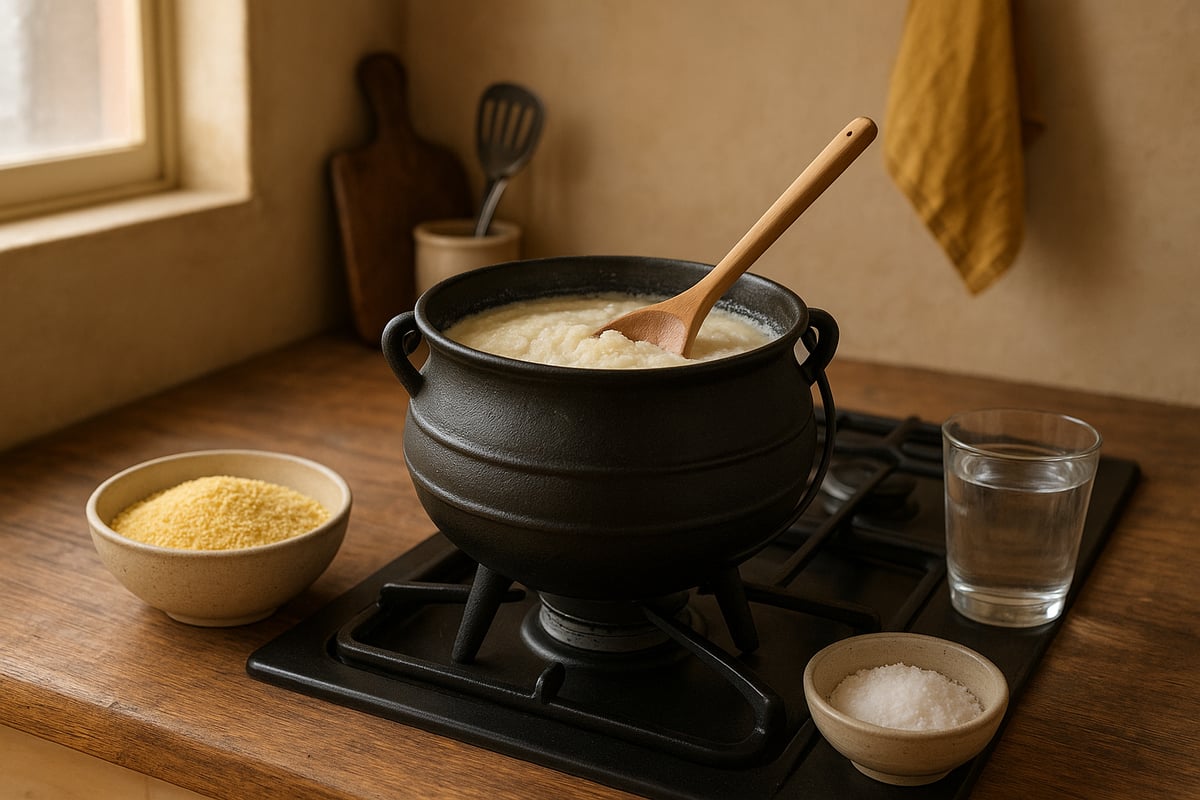
To craft authentic pap african food, start with the essentials. The primary ingredient is maize meal, a finely ground corn product that forms the base of pap. Choose high quality, non GMO maize meal for the best results. Look for trusted brands commonly used in African households, such as Iwisa, Ace, or White Star, available at many specialty stores.
For equipment, a heavy based pot or traditional potjie pot is ideal for even heat distribution. A sturdy wooden spoon is crucial for stirring, preventing lumps and ensuring a smooth or crumbly texture as desired. Whether you use a gas, electric, or induction stove, maintaining steady heat is key. If you’re seeking authentic cookware, explore Cooking and Baking Supplies for pots, spoons, and utensils tailored to pap african food preparation.
Salt and water round out the ingredient list. For gatherings, consider larger pots to accommodate bigger batches. Keep a clean cloth handy to cover pap and retain its warmth before serving.
Step-by-Step Guide to Preparing Classic Pap
Mastering pap african food at home is an art that rewards patience and attention to detail. Begin by measuring your maize meal and water, typically using a ratio of 1 part maize meal to 3 parts water for soft pap, or less water for stiffer results.
Bring water to a boil in your pot, then slowly sprinkle in the maize meal while stirring continuously to avoid lumps. Reduce the heat and cover, letting the pap steam gently for 20 to 30 minutes. Stir occasionally, scraping the sides and base of the pot to prevent sticking.
For different textures, adjust your stirring method. Vigorous stirring produces creamy slap pap, while gentle folding creates crumbly krummel pap. Once cooked, taste and adjust salt as needed. Serve hot, using a damp cloth to keep pap moist if preparing ahead for a gathering. Remember, pap african food shines when cooked with care and shared with others.
Traditional vs. Modern Cooking Techniques
Pap african food can be prepared in various ways, each bringing its own character. Traditionalists favour open fire cooking, using a potjie pot suspended over coals for a smoky depth of flavour. This method requires constant vigilance, as temperature control is manual and stirring is frequent.
Modern kitchens offer convenience. Stovetop preparation is faster and more accessible, with electric or gas stoves providing steady heat. For those pressed for time, instant pots and microwaves can deliver acceptable results, though the texture may differ from traditional methods.
Each technique impacts nutrition and flavour. Open fire cooking imparts a unique aroma, while stovetop and instant methods preserve more nutrients due to reduced cooking times. Experiment to find the style that suits your household and keeps pap african food at the heart of your table.
Pairing Pap with Classic Sauces and Sides
The versatility of pap african food is best experienced through its pairings. Classic sauces like tomato relish and chakalaka bring vibrant colour and spice, enhancing both flavour and texture. Rich stews, curries, and grilled meats are natural companions, soaking into the pap and creating a satisfying meal.
For a modern twist, try serving pap with crispy Simba Nik Naks as a playful snack or side. At braais, pap becomes the perfect base for boerewors and grilled vegetables. The mild, comforting taste of pap african food allows bold sauces and spices to shine, making every meal memorable.
When plating, consider shaping pap into rounds or mounds for an authentic touch. Offer a variety of sides to cater to different palates, from spicy chakalaka to creamy cheese sauces. These combinations highlight why pap african food remains beloved across cultures.
Storage, Reheating, and Leftover Ideas
Proper storage ensures pap african food retains its texture and taste. Once cooled, transfer pap to an airtight container and refrigerate for up to three days. To reheat, sprinkle with a little water and steam gently on the stove or in a microwave, restoring its softness.
Leftover pap is remarkably versatile. Shape it into balls, coat with a light dusting of maize meal, and fry until golden for a crispy snack. Slice and pan fry for breakfast, or transform into a sweet pudding with milk, sugar, and spices. Always follow food safety guidelines—reheat thoroughly and consume within recommended timeframes.
By mastering these storage and reheating techniques, you’ll minimise waste and discover new ways to enjoy pap african food every day.
Pap in the Modern World: Health, Nutrition, and Dietary Trends
Pap african food is more than a comfort staple. It is a nutritional powerhouse with a legacy that continues to evolve alongside modern dietary needs. Explore how pap fits into today’s health trends, supports sustainable eating, and remains a beloved choice for diverse diets.
Nutritional Profile of Pap
Pap african food is primarily made from finely ground maize meal, providing a rich source of carbohydrates for sustained energy. Each serving offers a moderate amount of protein and dietary fibre, supporting digestion and muscle health. Pap is also a source of key micronutrients such as B-vitamins, iron, and calcium, which are essential for daily wellbeing.
When compared to other global staples like rice or potatoes, pap african food stands out for its simplicity and versatility. For a detailed breakdown of calories, vitamins, and minerals, see Pap's Nutritional Profile and Health Benefits. This data helps you make informed choices about incorporating pap into a balanced diet.
Health Benefits and Dietary Considerations
Pap african food is naturally gluten-free, making it a safe choice for people with coeliac disease or gluten intolerance. Its low fat and low sugar content support a heart-healthy lifestyle and help with weight management. The mild, neutral flavour of pap makes it suitable for vegan and vegetarian diets, as it can be paired with a wide range of plant-based sides and toppings.
For families seeking allergen-friendly meals, pap african food is free from common triggers like nuts, dairy, and eggs. This versatility ensures that everyone at the table can enjoy a wholesome, satisfying dish.
Pap for Special Diets: Fortified and Alternative Varieties
Modern pap african food options now include fortified maize meals, enriched with vitamins and minerals to support better health outcomes. Many brands offer wholegrain and organic maize meal, providing extra fibre and a more robust flavour profile. These alternatives cater to those seeking nutrient-dense and minimally processed food choices.
Some manufacturers focus on sustainability, producing pap african food from non-GMO maize and supporting ethical sourcing. Fortified and organic options make it easier for health-conscious consumers to enjoy pap while meeting specific dietary needs.
Pap and Sustainable Food Practices
Pap african food plays a vital role in sustainable eating, especially when made from locally grown, non-GMO maize. Supporting local farmers reduces food miles and strengthens regional economies. Pap is also a key player in food security, offering affordable nutrition to communities across Africa and the diaspora.
Environmental concerns are addressed through responsible maize cultivation, crop rotation, and reduced reliance on chemical fertilisers. Choosing sustainable pap african food options helps protect the planet while nourishing families.
Addressing Common Concerns and Myths
Some critics claim that pap african food is bland or lacking in nutritional value. However, scientific evidence and expert opinions show that pap, when part of a balanced meal, is both nourishing and satisfying. Its ability to absorb flavours from sauces, stews, and relishes makes it anything but boring.
Nutritionists recommend pairing pap african food with protein-rich sides and vegetables to maximise its health benefits. Embracing traditional recipes and modern twists ensures this staple remains a vibrant part of today’s culinary landscape.
Experiencing Pap in New Zealand and Australia
Pap african food has become a cherished part of life for many African families living in New Zealand and Australia. Through shared meals and gatherings, communities preserve their culinary heritage and introduce new generations to the taste of home. Whether at cultural festivals, church events, or weekend potlucks, the aroma of freshly cooked pap brings people together and sparks conversations about tradition and belonging.
Pap in the Diaspora: Keeping Traditions Alive
For many African migrants, pap african food is a vital link to their roots. In cities like Auckland, Wellington, Sydney, and Melbourne, African communities organise regular events where pap takes centre stage. These gatherings often feature family recipes passed down through generations, ensuring the essence of home remains alive. Stories are shared over plates of pap, and children learn the significance of this staple in their heritage. Such traditions not only preserve culture but also foster a sense of belonging in a new land.
Where to Buy Authentic Pap and Maize Meal
Finding authentic pap african food ingredients is essential for anyone wanting to recreate the taste of home. In New Zealand and Australia, supermarkets may stock basic maize meal, but specialty African stores offer a wider selection. For the best quality and variety, explore the South African Groceries Collection, which features trusted brands and products imported directly from South Africa. Online retailers also provide convenient options, making it easy to source maize meal and related ingredients no matter where you live.
Something From Home: Your Source for Authentic South African Pap
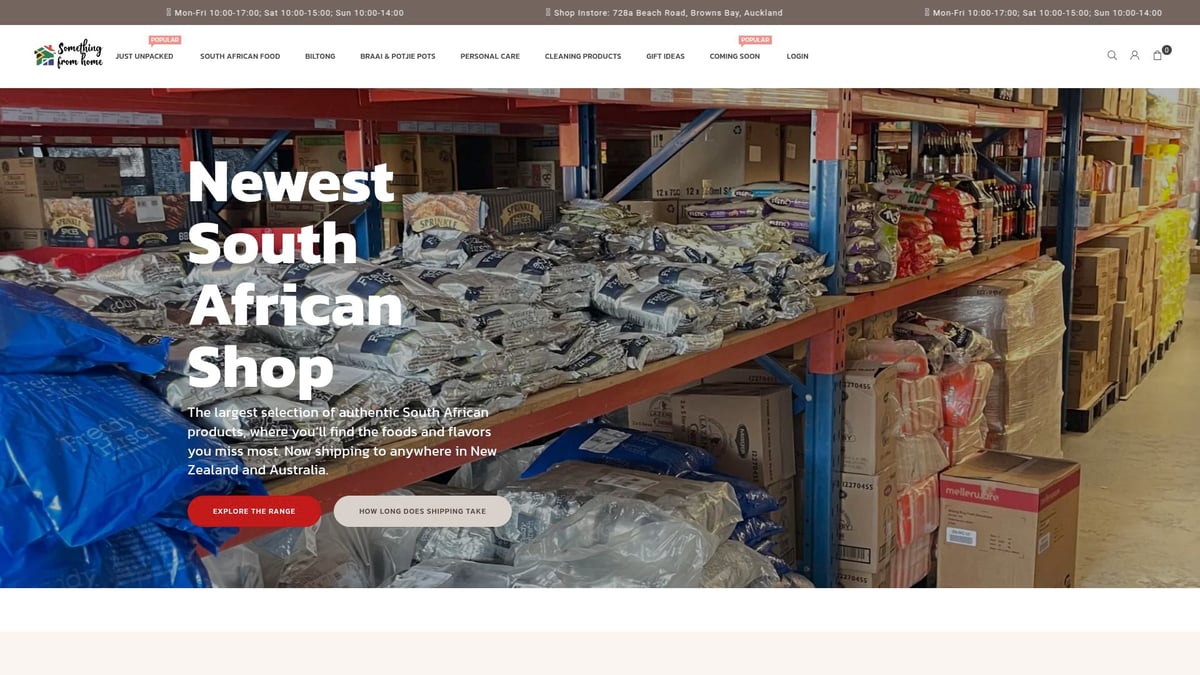
Something From Home has become a cornerstone for those seeking pap african food in New Zealand and Australia. As the region’s largest South African food retailer, they offer an extensive range of maize meal and pap products, catering to both traditional and modern palates. Customers appreciate the convenience of online shopping, reliable shipping, and in-store experiences that evoke memories of home. Testimonials highlight the joy of rediscovering authentic flavours and the confidence that only genuine products bring to family meals.
Local Restaurants and Events Serving Pap
Pap african food is finding its way onto menus at African restaurants and pop-ups across Auckland, Sydney, and Melbourne. Diners can enjoy classic dishes such as pap with chakalaka, boerewors, and tomato gravy, often prepared by chefs with deep roots in the tradition. Annual festivals like Taste of Africa showcase the versatility of pap, inviting locals and visitors to sample regional variations. For a deeper understanding of this beloved pairing, explore Pap and Chakalaka: A South African Staple, which delves into preparation methods and cultural significance.
Cooking Pap at Home: Tips for New Zealanders and Australians
Preparing pap african food at home is a rewarding way to connect with heritage and share it with friends. Start by sourcing high-quality maize meal locally or online, and adapt traditional recipes using local produce. Experiment with new flavours, or stick to family favourites for comfort. Community resources such as cooking classes, recipe blogs, and online forums provide support and inspiration. With practice, home cooks can master the art of pap, serving it alongside grilled meats or savoury sauces for a truly authentic experience.
Sharing Pap: Building Community Through Food
Organising pap-focused gatherings is a powerful way to foster community and celebrate diversity. Whether hosting a potluck or inviting neighbours to try pap african food, these shared meals create lasting connections. Stories of friendship and belonging often begin over a simple bowl of pap, demonstrating how this staple continues to bridge cultures and generations in New Zealand and Australia.
Classic and Contemporary Pap Recipes to Try in 2026
Ready to bring the heart of pap african food into your kitchen? Explore these classic and modern recipes that celebrate the versatility of pap. Whether you crave tradition or want to innovate, these dishes offer something for every palate in 2026.
Traditional Pap with Tomato and Onion Sauce
The quintessential pap african food experience begins with soft, fluffy pap paired with a rich tomato and onion sauce. Start by simmering chopped onions in oil until golden, then add diced tomatoes, a pinch of salt, and a hint of chilli. Let the sauce thicken gently.
Spoon the sauce over freshly made pap. This combination is a staple at family dinners and brings comfort to any table. For extra depth, add a sprinkle of fresh parsley or a dash of ground pepper. Serve alongside grilled vegetables or your favourite stew for a true taste of African hospitality.
Pap and Chakalaka
Pap and chakalaka is a spicy, satisfying duo that showcases the bold flavours of pap african food. Prepare chakalaka by sautéing onions, peppers, carrots, and garlic, then stir in baked beans, curry powder, and tomatoes. Simmer until fragrant and thick.
Ladle this vibrant relish over a mound of pap. The heat of the chakalaka balances perfectly with the mild, creamy pap. This dish is a favourite at Johannesburg street markets and makes an excellent vegetarian option. Add a side of coleslaw or grilled corn for a complete meal.
Pap and Boerewors: The Ultimate Braai Combo
No celebration of pap african food is complete without boerewors. Grill the boerewors until juicy and browned, then slice and serve atop a generous helping of stiff pap. Pour over a rich tomato gravy or chakalaka for added flavour.
For a perfect braai experience, explore the Braai Essentials and Accessories collection to elevate your grilling setup. This classic pairing is a highlight at outdoor gatherings and brings people together around the fire. Enjoy with friends and family for an authentic South African feast.
Modern Pap Bowls: Fusion and Global Flavours
Pap african food is evolving with exciting fusion bowls. Layer soft pap with grilled chicken, avocado, fresh salsa, or roasted chickpeas for a modern twist. Drizzle with tahini, peri peri sauce, or a citrus dressing to enhance the flavours.
Restaurants in Auckland and Sydney are embracing pap bowls with global ingredients, from Asian-style stir-fries to Mediterranean roasted vegetables. The versatility of pap allows you to experiment with textures and toppings, making each bowl unique. Try adding pickled onions or toasted seeds for extra crunch.
Sweet Pap: Breakfast and Dessert Ideas
Transform pap african food into a delightful breakfast or dessert. Serve warm pap with honey, sliced bananas, and roasted nuts for a nourishing start to the day. For dessert, layer pap with vanilla custard or stewed fruit.
You can find maize meal and breakfast ideas in the Cereal and Breakfast Staples range for inspiration. Pap pancakes and pap pudding are also popular at brunch cafés, offering a sweet take on this beloved staple. Add cinnamon or cocoa for extra flavour.
Quick Pap Snacks and Lunchbox Ideas
Pap african food is not just for main meals. Shape leftover pap into small balls, coat with breadcrumbs, and fry until golden for a tasty snack. Pap fritters, made by mixing pap with cheese and herbs, are popular in lunchboxes.
For a fun twist, try pap wraps filled with grilled vegetables or spiced mince. Top pap bites with crunchy snacks like Willards Flings for added texture. These easy recipes make pap an accessible and versatile choice for busy families.
Tips for Perfecting Your Pap Recipes
Achieving the perfect pap african food recipe is about mastering texture and flavour. Adjust water ratios to suit your preference, whether you want slap pap (soft) or stywe pap (stiff). Stir constantly to avoid lumps and use a wooden spoon for best results.
Enhance your pap with butter, cheese, or fresh herbs. If your pap becomes dry, add a splash of water and steam gently. Avoid overcooking, as this can affect the texture. Practice makes perfect, so experiment with different techniques to find your ideal consistency.
Reader Favourites: Top-Rated Pap Recipes from the Community
Discover what home cooks in New Zealand and Australia are creating with pap african food. Popular recipes include creamy pap with chakalaka, spicy pap fritters, and sweet pap pudding. Community members share their successes and tips online, inspiring others to try new variations.
Share your own creations and photos with the community to keep these traditions alive. Whether you follow a classic recipe or invent something new, pap remains a source of comfort and connection for families everywhere.
Find maize meal and Chakalaka for pap
Browse South African maize meal for pap and compare KOO and Miami Chakalaka relishes as an accompaniment. Check each product page for ingredients, allergens, pack size and cooking directions.