Meat Tenderizer: The Essential Guide for Perfect Results
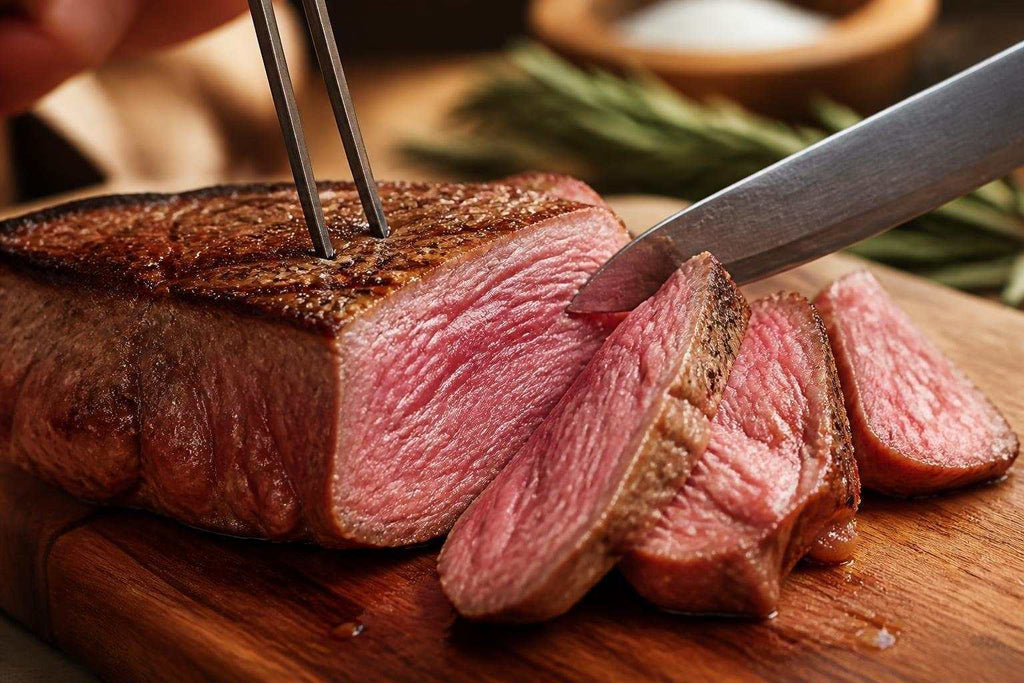
Whether you're preparing a traditional South African braai or experimenting with international cuisines in your New Zealand kitchen, understanding how to properly tenderize meat can transform your cooking outcomes. The right meat tenderizer makes the difference between a tough, chewy steak and a melt-in-your-mouth masterpiece. For South Africans living abroad, mastering tenderization techniques ensures that every braai reminds you of home, regardless of which cuts you find at local butchers.
Understanding the Science Behind Meat Tenderization
The fundamental purpose of using a meat tenderizer is to break down the tough protein structures within muscle tissue. Meat tenderizers work by disrupting collagen and muscle fibers, which are responsible for that unpleasant chewy texture in certain cuts. When you understand this biological process, you can select the most appropriate method for different types of meat.
Collagen breakdown occurs through three primary mechanisms:
- Physical disruption using mechanical tools
- Chemical breakdown via enzymatic processes
- Time-based degradation through marination and aging
The tougher the cut, the more attention it requires. Economical cuts like brisket, chuck, or shin contain higher concentrations of connective tissue, making them prime candidates for tenderization. South African favourites such as boerewors and sosaties benefit from proper preparation techniques that honour traditional flavour profiles while ensuring optimal texture.
Mechanical Tenderization Methods
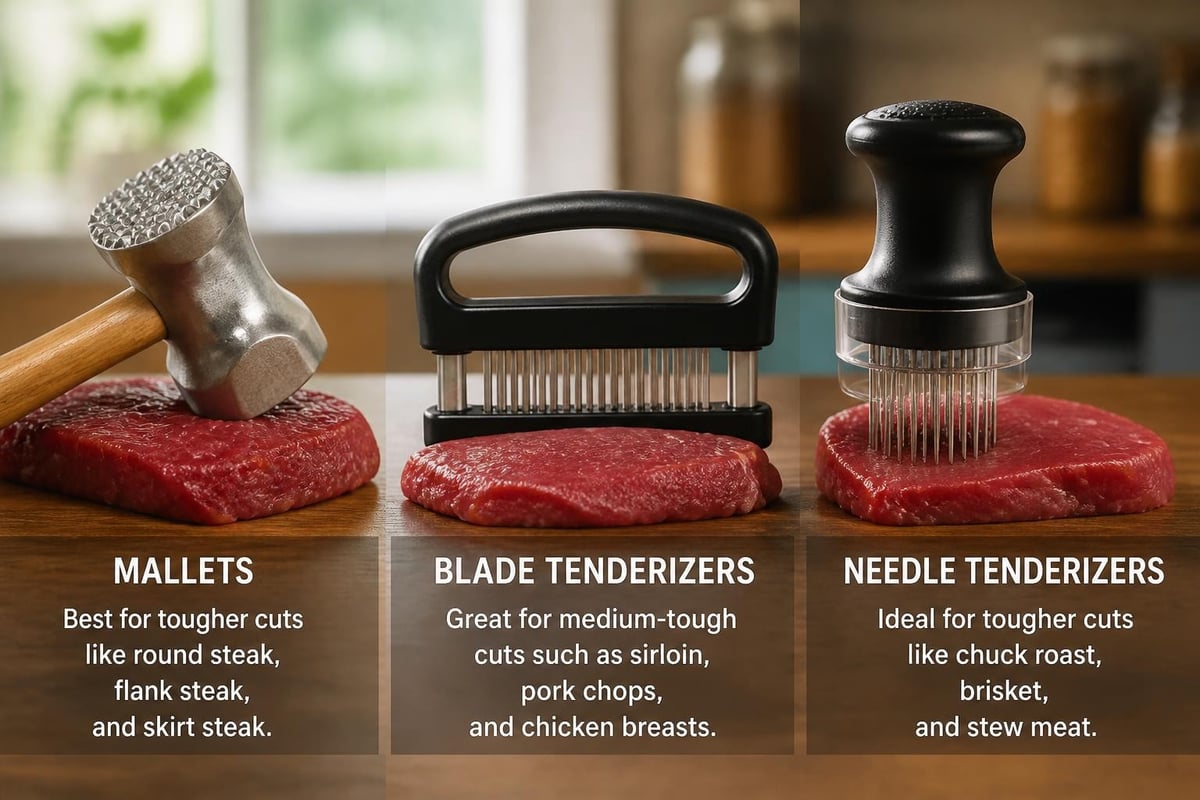
Physical meat tenderizer tools have been staples in kitchens worldwide for generations. These implements feature multiple sharp blades or pyramid-shaped teeth that pierce the meat's surface, severing muscle fibers and connective tissue. The various types of mechanical tenderizers range from simple mallets to sophisticated blade tenderizers.
Common mechanical tools include:
- Meat mallets with textured surfaces for pounding
- Jaccard-style tenderizers featuring multiple thin blades
- Needle tenderizers that create channels without significantly altering appearance
- Rolling tenderizers for processing larger quantities
When preparing meat for a proper South African braai, mechanical tenderization proves particularly valuable. The technique works exceptionally well on steaks, chops, and any cut you plan to grill quickly over high heat. Many South Africans in New Zealand continue their braai traditions, and having the right tools ensures success regardless of local meat availability.
Enzymatic Tenderizers and Natural Solutions
Powdered meat tenderizer products typically contain proteolytic enzymes derived from natural sources. These enzymes chemically break down protein structures without requiring physical force. The most common enzyme sources include papain from papaya, bromelain from pineapple, and actinidin from kiwifruit.
Research on exogenous proteases demonstrates their effectiveness in improving meat tenderness across various animal proteins. These enzymes target specific peptide bonds within collagen and muscle proteins, essentially pre-digesting the tough portions while leaving the rest intact.
| Enzyme Source | Origin | Best Applications | Processing Time |
|---|---|---|---|
| Papain | Papaya | Beef, pork, chicken | 30-60 minutes |
| Bromelain | Pineapple | Red meats, game | 45-90 minutes |
| Actinidin | Kiwifruit | All proteins | 15-30 minutes |
| Ficin | Fig | Tough cuts | 60-120 minutes |
When using enzymatic tenderizers, timing matters significantly. Over-tenderization can result in mushy texture, destroying the meat's structural integrity. For traditional South African dishes like bobotie or potjiekos, careful enzyme application ensures meat retains character while becoming more palatable.
Natural Tenderizing Ingredients in South African Cuisine
South African cooking traditions incorporate numerous natural tenderizing agents without relying on commercial products. Marinades featuring acidic components like vinegar, wine, or citrus juice have been used for centuries in Cape Malay and Afrikaner cuisine.
Traditional South African tenderizing marinades often include:
- Red wine or brandy for depth and acidity
- Worcestershire sauce for umami and enzymes
- Fresh ginger containing proteolytic enzymes
- Yoghurt or buttermilk with lactic acid
- Tomato-based sauces with natural acidity
These ingredients feature prominently in braai marinades and traditional recipes passed down through generations. For South Africans living in New Zealand who shop at African grocery stores, finding familiar marinade components helps recreate authentic flavours while achieving proper meat texture.
Commercial Meat Tenderizer Products and Selection
Choosing the right commercial meat tenderizer depends on your cooking style and preferred meat cuts. Powdered tenderizers offer convenience and consistent results, while liquid marinades provide flavour enhancement alongside tenderization. Wikipedia's overview of meat tenderizers details the various formulations available in modern markets.
Professional chefs often maintain multiple tenderizing solutions in their kitchens. A well-stocked pantry might include both enzymatic powders for quick preparation and mechanical tools for specific cuts. The versatility ensures you're prepared regardless of what protein appears on your weekly menu.
Key factors when selecting commercial products:
- Ingredient transparency and quality
- Sodium content and additional seasonings
- Application method and processing time
- Compatibility with intended cooking method
- Storage requirements and shelf life
For South Africans maintaining their culinary heritage in New Zealand, accessing authentic products matters immensely. Something From Home stocks more than 2,500 South African products, including spices, marinades, and seasonings that complement traditional tenderization techniques.
Application Techniques for Optimal Results
Proper application separates adequate results from exceptional ones. Whether using mechanical or enzymatic tenderizers, technique directly impacts final texture and flavour. Harold McGee's research on meat tenderizers emphasizes the importance of controlled application.
Step-by-Step Mechanical Tenderization
Begin with clean, dry meat at refrigerator temperature. Room-temperature meat can become too soft during mechanical tenderization, leading to structural damage. Pat the surface thoroughly with paper towels to ensure the tool grips properly without slipping.
Proper mechanical tenderization sequence:
- Place meat on stable cutting board
- Start from the centre, working outward
- Apply consistent pressure without excessive force
- Create even coverage across entire surface
- Flip and repeat on opposite side
- Rest meat 10-15 minutes before cooking
For braai preparations, mechanical tenderization works brilliantly on boerewors patties, lamb chops, and steak cuts. The technique preserves the meat's natural moisture while ensuring even cooking throughout. Many South African expats perfect their braai skills in New Zealand by adapting traditional methods to locally available cuts.
Enzymatic Tenderizer Application Protocol
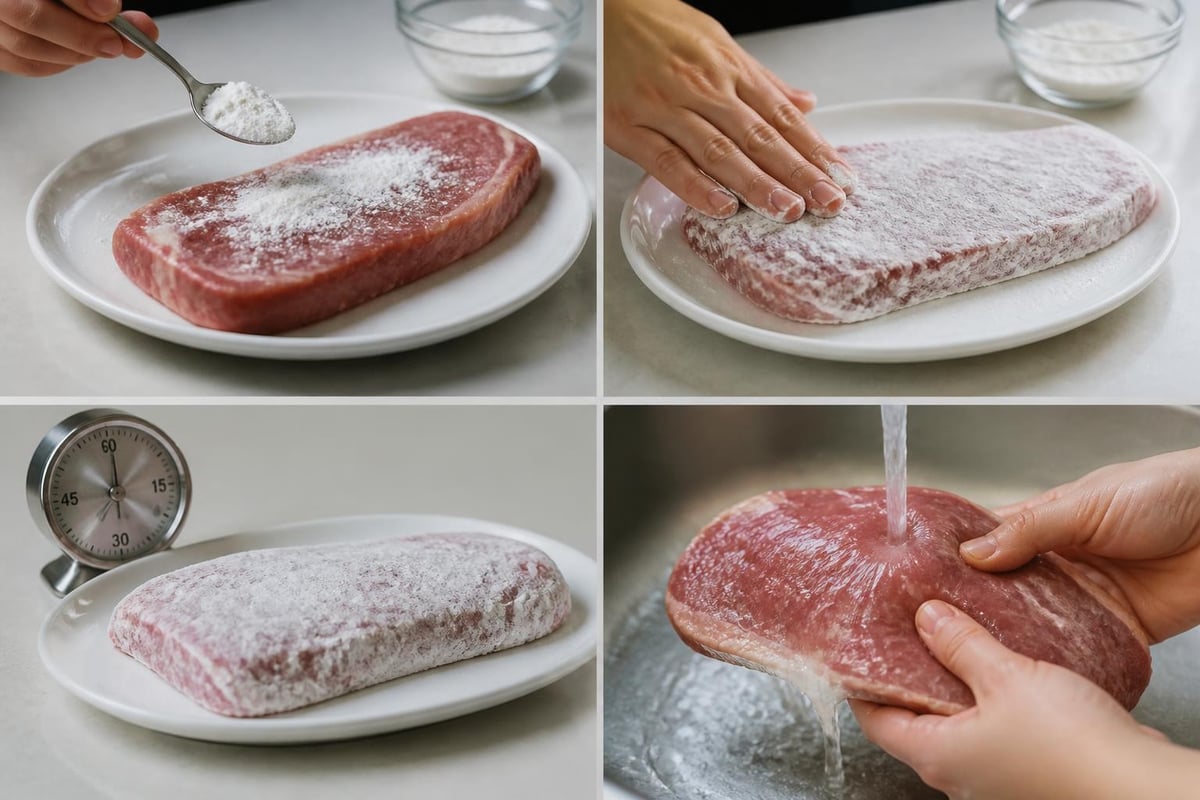
Powdered meat tenderizer requires different handling than mechanical methods. Distribution consistency determines success, as uneven application creates texture variations across the same piece of meat. Sprinkle powder evenly across all surfaces, then gently work it into the meat using your fingertips.
| Meat Type | Powder Amount | Application Time | Maximum Duration |
|---|---|---|---|
| Thin steaks | 1/4 tsp per side | 15-20 minutes | 30 minutes |
| Thick steaks | 1/2 tsp per side | 30-40 minutes | 60 minutes |
| Roasts | 1 tsp per kg | 45-60 minutes | 90 minutes |
| Stewing meat | 3/4 tsp per kg | 60-90 minutes | 120 minutes |
Never leave enzymatic tenderizers on meat beyond recommended times. The enzymes continue working until deactivated by cooking heat, potentially over-tenderizing if left too long. For dishes requiring longer marination, combine tenderizer powder with acidic liquids that slow enzyme activity slightly.
Braai Culture and Tenderization Traditions
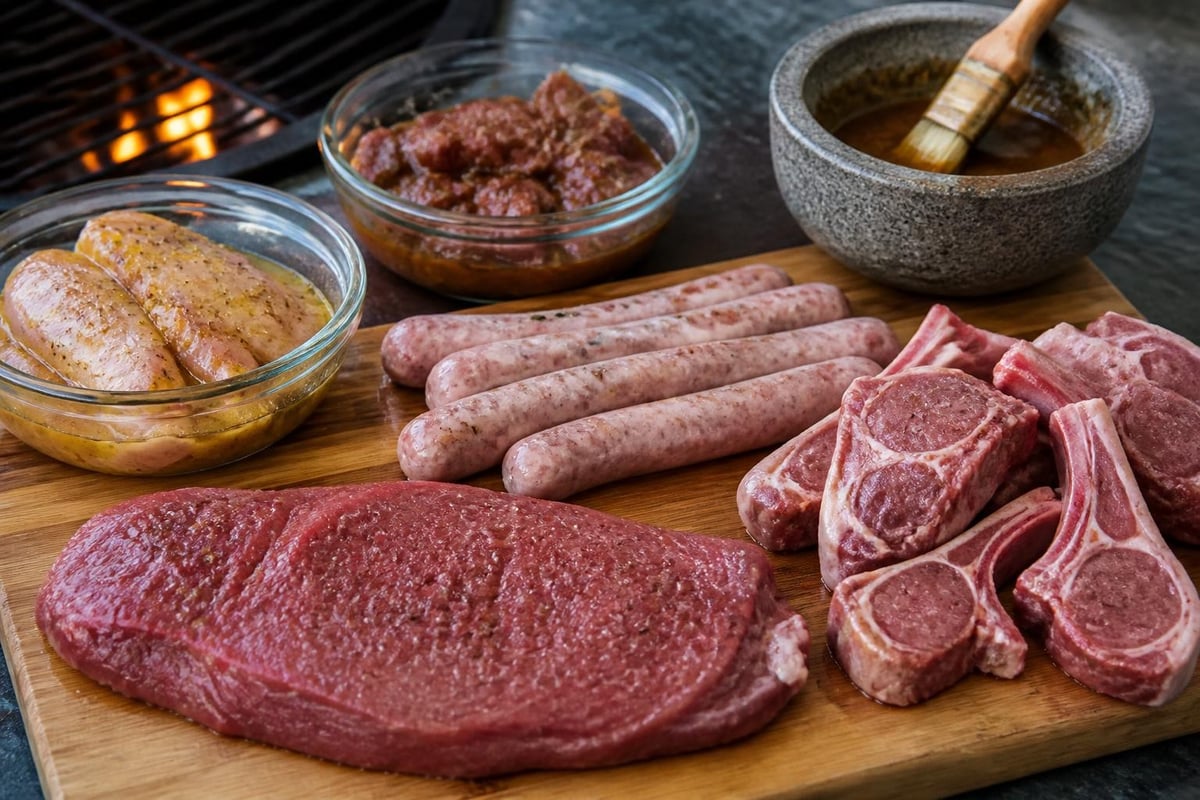
The South African braai represents more than outdoor cooking; it embodies community, tradition, and culinary pride. Proper meat preparation, including tenderization, separates memorable braais from mediocre ones. Understanding which cuts benefit from tenderization ensures every gathering succeeds.
Traditional braai cuts and their tenderization needs:
- Boerewors: Generally pre-seasoned, rarely needs additional tenderization
- Lamb chops: Light mechanical tenderization enhances texture
- Beef steaks: Varies by cut; sirloin benefits from brief enzymatic treatment
- Chicken portions: Minimal tenderization; focus on marination
- Sosaties: Marination provides sufficient tenderization
When sourcing ingredients for authentic braais in New Zealand, South African expats often seek familiar brands and products. The braai collection available through specialist retailers ensures you can recreate traditional flavours regardless of location.
Emerging Technologies in Meat Tenderization
Innovative meat tenderization technologies continue advancing beyond traditional methods. High-pressure processing, ultrasound treatment, and electrical stimulation represent cutting-edge approaches adopted by commercial processors. While these technologies remain primarily industrial, understanding them provides context for future home cooking developments.
High-pressure processing subjects meat to extreme pressure without heat, disrupting protein structures at the molecular level. This method preserves nutritional content while achieving tenderization impossible through conventional means. Similarly, ultrasound waves create microscopic cavitation bubbles that physically break down connective tissue.
Modern tenderization technologies include:
- High-pressure processing (HPP) systems
- Ultrasonic tenderization devices
- Electrical muscle stimulation
- Hydrodynamic shockwave processing
- Tumbling and massaging equipment
These innovations may eventually reach consumer markets, offering home cooks professional-grade results. For now, mastering traditional mechanical and enzymatic methods provides excellent outcomes for everyday cooking and special occasions alike.
Marination Strategies for Maximum Tenderness
Combining meat tenderizer with strategic marination multiplies effectiveness. Acidic marinades containing vinegar, wine, or citrus juice work synergistically with enzymatic tenderizers, creating complex flavour profiles while improving texture. South African marinades traditionally balance acidity, sweetness, and savoury elements.
Components of effective tenderizing marinades:
- Acid source: Vinegar, wine, citrus juice, or yoghurt
- Oil base: Facilitates flavour penetration and moisture retention
- Enzymatic element: Fresh ginger, papaya, or pineapple
- Aromatics: Garlic, onion, herbs, and spices
- Seasonings: Salt, pepper, and regional spice blends
The marination time varies dramatically based on meat thickness and marinade acidity. Thin cuts like chicken breasts require just 30 minutes to two hours, while thick beef roasts benefit from overnight marination. Over-marinating in highly acidic solutions can create unpleasant mushy textures, particularly with delicate proteins.
For South Africans preparing traditional dishes in New Zealand, accessing authentic spices and seasonings makes all the difference. Shopping at a South African food store ensures you have the right ingredients for marinades that taste just like home.
Safety Considerations and Best Practices
Food safety remains paramount when tenderizing meat. Mechanical tenderization creates numerous small channels that potentially introduce surface bacteria deeper into the meat. This necessitates cooking tenderized cuts to higher internal temperatures than intact pieces.
Critical safety guidelines for meat tenderization:
- Always sanitize mechanical tenderizers immediately after use
- Refrigerate meat during enzymatic tenderization processes
- Cook mechanically tenderized meat to 70°C internal temperature
- Avoid cross-contamination between raw and cooked products
- Replace worn mechanical tenderizers showing damage or dullness
When using powdered meat tenderizer, follow package directions precisely. Excessive amounts don't improve results and may create unpleasant flavours. Store enzymatic tenderizers in cool, dry locations to preserve enzyme activity, as heat and moisture degrade their effectiveness over time.
Selecting Appropriate Cuts for Tenderization
Not all meat cuts require tenderization. Premium cuts like fillet, ribeye, and tenderloin contain minimal connective tissue and benefit little from tenderizing treatments. Conversely, working muscles from the shoulder, leg, and neck regions contain substantial collagen requiring intervention.
| Cut Category | Tenderization Need | Recommended Method | Cooking Application |
|---|---|---|---|
| Premium (fillet, ribeye) | Minimal | Light mechanical or none | Grilling, pan-frying |
| Standard (sirloin, rump) | Moderate | Enzymatic or mechanical | Braai, roasting |
| Economy (chuck, brisket) | Extensive | Combined methods | Slow cooking, stewing |
| Specialty (oxtail, shin) | Maximum | Long marination + cooking | Potjiekos, stews |
Understanding cut characteristics helps you avoid wasting effort on meat that doesn't require intervention. It also prevents over-tenderizing premium cuts, which can destroy their natural texture and reduce enjoyment.
Cultural Significance of Meat Preparation
Across South African communities, meat preparation techniques carry cultural significance beyond mere cooking. Different regions, ethnic groups, and families maintain distinct approaches to tenderization, marination, and seasoning. These traditions connect generations and preserve culinary heritage.
Cape Malay cuisine incorporates aromatic spices and yoghurt-based marinades that simultaneously tenderize and flavour meat. Afrikaner traditions often feature wine-based marinades with robust seasoning. Zulu and Xhosa preparations might emphasize simple salt rubs, allowing meat quality to shine through.
For South Africans living in New Zealand, maintaining these traditions requires access to familiar ingredients and products. Whether you're preparing a weekend braai or a special celebration meal, having authentic South African groceries makes all the difference in recreating the flavours of home.
Troubleshooting Common Tenderization Problems
Even experienced cooks occasionally encounter tenderization challenges. Recognizing problems early and understanding their causes prevents disappointing results and wasted ingredients.
Common issues and solutions:
- Mushy texture: Reduce enzymatic tenderizer amount or processing time
- Uneven tenderness: Ensure consistent coverage during application
- Loss of flavour: Balance tenderization with appropriate seasoning
- Excessive moisture loss: Don't over-work meat during mechanical tenderization
- Surface hardening: Rinse enzymatic tenderizers before cooking
When meat becomes overly soft from enzymatic treatment, the damage cannot be reversed. Prevention through careful timing and product measurement proves essential. Start conservatively with new tenderizer products, increasing amounts only after testing initial results.
Integrating Tenderization into Meal Planning
Strategic meal planning incorporates tenderization timing into your weekly schedule. Tough cuts requiring extensive treatment can marinate overnight, while quick-cooking proteins need just brief preparation. This approach maximizes kitchen efficiency while ensuring optimal results.
Weekly meal planning with tenderization:
- Sunday: Prepare marinades for Monday's quick-cook proteins
- Monday: Set up long-marination items for midweek meals
- Wednesday: Quick tenderization for Thursday's braai
- Friday: Mechanical tenderization for weekend roasts
- Saturday: Enzymatic treatment for Sunday's potjiekos
For South African families in New Zealand, maintaining traditional eating patterns while adapting to local lifestyles requires flexibility. Ordering South African groceries online ensures you always have necessary ingredients without frequent shopping trips.
Professional Techniques for Home Cooks
Restaurant chefs employ sophisticated tenderization strategies that home cooks can replicate. Dry-aging meat in controlled environments breaks down connective tissue through enzymatic activity naturally present in the muscle. While true dry-aging requires specialized equipment, similar effects emerge through extended refrigerator aging.
Professional-inspired home techniques:
- Salting meat 24 hours before cooking draws moisture that breaks down proteins
- Scoring thick cuts allows marinades to penetrate more effectively
- Resting tenderized meat before cooking redistributes moisture evenly
- Combining multiple tenderization methods for extremely tough cuts
- Temperature control ensuring enzymes work optimally without over-processing
These refinements elevate home cooking from adequate to exceptional. When preparing special occasion meals or entertaining guests, professional techniques demonstrate care and attention to detail that everyone appreciates.
Mastering meat tenderizer techniques transforms your cooking outcomes, whether preparing traditional South African braais or exploring international cuisines. Understanding mechanical versus enzymatic methods, proper application timing, and cut selection ensures consistently tender, flavourful results. For South Africans living in New Zealand who want to maintain their culinary heritage while accessing authentic ingredients and products, Something From Home provides everything needed to recreate the tastes of home, from braai essentials to traditional spices and marinades that make every meal memorable.