Instant Yeast: The Essential Guide for Home Bakers
For South Africans living in New Zealand, baking familiar treats from home often requires understanding the fundamental ingredients that bring beloved recipes to life. Instant yeast stands as one of the most versatile and reliable leavening agents available to home bakers, offering convenience and consistency that transforms simple flour and water into everything from koeksisters to vetkoek. Whether you're recreating traditional South African breads or exploring new baking adventures, mastering this essential ingredient opens up endless possibilities in your kitchen.
Understanding Instant Yeast and Its Unique Properties
Instant yeast represents a highly refined form of Saccharomyces cerevisiae, specially processed to deliver rapid fermentation without the need for proofing in warm water. Unlike its active dry counterpart, this variety features smaller granules with a porous structure that allows direct mixing into flour.
The manufacturing process removes most of the yeast's outer cell walls, creating a product that dissolves quickly and begins working immediately upon contact with moisture. This scientific advancement revolutionised home baking by eliminating the traditional blooming step.
How Instant Yeast Differs From Other Varieties
Key distinctions set instant yeast apart from traditional options:
- Requires no pre-activation in warm water before use
- Contains finer particles that integrate seamlessly into dry ingredients
- Offers higher cell count per gram compared to active dry yeast
- Tolerates direct contact with salt without loss of viability
- Produces consistent results across varying ambient temperatures
The technical specifications and handling recommendations from manufacturers demonstrate why professional bakers increasingly prefer this format for production consistency.
Storage Requirements and Shelf Life Considerations
Proper storage directly impacts yeast viability and baking success. Unopened packets maintain potency for 18 to 24 months when stored in cool, dry conditions.
According to Virginia Tech Extension's comprehensive food storage guidance, refrigeration extends shelf life significantly, particularly important for New Zealand's humid climate zones.
| Storage Method | Unopened Shelf Life | Opened Shelf Life |
|---|---|---|
| Pantry (cool, dry) | 18-24 months | 4-6 months |
| Refrigerator | 24+ months | 6-12 months |
| Freezer | 36+ months | 12-18 months |
Once opened, transfer instant yeast to an airtight container and refrigerate. Always bring refrigerated yeast to room temperature before incorporating into recipes to ensure even distribution and optimal fermentation.
Practical Applications in South African Baking
South African cuisine features numerous yeast-based specialities that benefit from instant yeast's reliability. From traditional roosterkoek to milk bread, this leavening agent delivers consistent results that remind expatriates of home.
The convenience factor particularly appeals to busy families maintaining cultural food traditions whilst adapting to New Zealand life. Many South Africans shopping for groceries online in New Zealand specifically seek quality instant yeast for weekend baking projects.
Converting Traditional Recipes
- Calculate the original yeast quantity in your recipe
- Reduce instant yeast by approximately 25 percent compared to active dry amounts
- Add instant yeast directly to dry ingredients without proofing
- Maintain original liquid temperatures and mixing procedures
- Monitor dough consistency and adjust hydration if necessary
Traditional South African recipes often specify fresh cake yeast or active dry varieties. Converting these measurements requires understanding baker's percentages and proper scaling techniques for accurate results.
Temperature Sensitivity and Dough Development
Optimal fermentation occurs within specific temperature ranges:
- Ideal dough temperature: 24-27°C for standard breads
- Warm rise environment: 27-32°C accelerates fermentation
- Cold fermentation: 4-10°C develops complex flavours over 12-24 hours
- Heat tolerance: Above 60°C kills yeast cells permanently
New Zealand's cooler climate, particularly during winter months, may require creating warm rising environments. Simple solutions include placing dough near radiators, in turned-off ovens with the light on, or inside insulated cooler bags.
Technical Considerations for Consistent Results
Professional bakers rely on precise measurements and environmental control to achieve reproducible outcomes. Home bakers can adopt these same principles using standard kitchen equipment and basic monitoring techniques.
The comprehensive guide to yeast baking from King Arthur Baking provides invaluable insights into troubleshooting common challenges and refining technique.
Measuring and Mixing Methods
Accurate measurement determines fermentation rate and final bread texture. Digital scales offer superior precision compared to volume measurements, particularly important when following professional baking formulas and calculations.
Standard instant yeast ratios for common applications:
| Bread Type | Instant Yeast Percentage | Total Rise Time |
|---|---|---|
| Standard white bread | 1.5-2% of flour weight | 2-3 hours |
| Enriched dough (milk bread) | 2-2.5% of flour weight | 2.5-4 hours |
| Pizza dough | 0.5-1% of flour weight | 4-24 hours |
| Sweet dough (vetkoek) | 2-3% of flour weight | 1.5-2.5 hours |
Direct incorporation into flour ensures even distribution throughout the dough. Some bakers prefer mixing instant yeast with a portion of the flour before adding liquids, whilst others combine all dry ingredients first.
Hydration Levels and Dough Consistency
Water content profoundly affects yeast activity and gluten development. South African bread recipes typically feature moderate hydration levels, producing soft, tender crumb structures ideal for sandwiches and toasting.
Higher hydration doughs require longer fermentation periods but develop superior flavour complexity through extended enzymatic activity. Instant yeast performs reliably across hydration ranges from 55 to 85 percent.
Troubleshooting Common Instant Yeast Challenges
Even experienced bakers occasionally encounter fermentation issues. Understanding the underlying causes enables quick diagnosis and correction, preventing wasted ingredients and disappointing results.
Dense or Under-Risen Loaves
Several factors contribute to inadequate rise. Expired yeast tops the list, followed by excessively hot liquids that kill yeast cells during mixing.
- Test yeast viability by proofing a small amount in warm water with sugar
- Verify liquid temperatures stay below 43°C during mixing
- Ensure adequate rising time in warm, draft-free locations
- Check salt quantities, as excessive amounts inhibit fermentation
The Purdue Extension's food storage recommendations emphasise proper yeast storage as the foundation for consistent baking success.
Over-Fermentation and Collapsed Dough
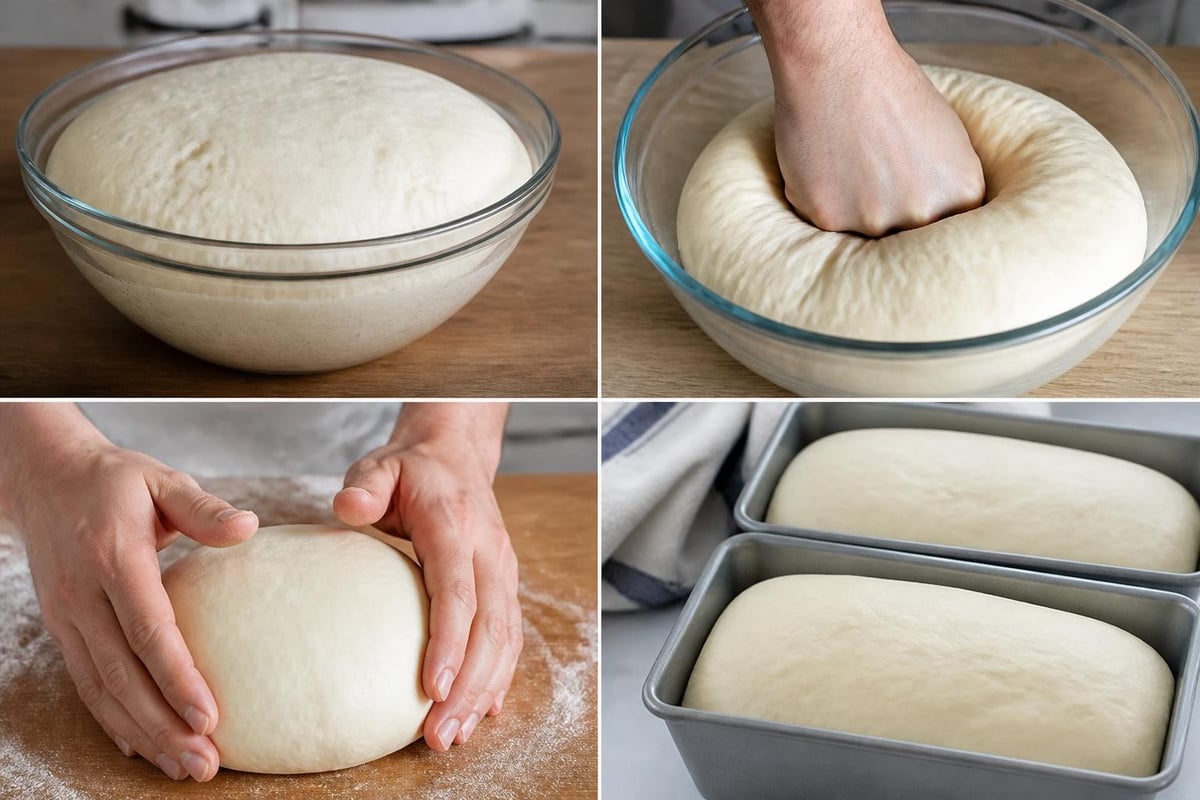
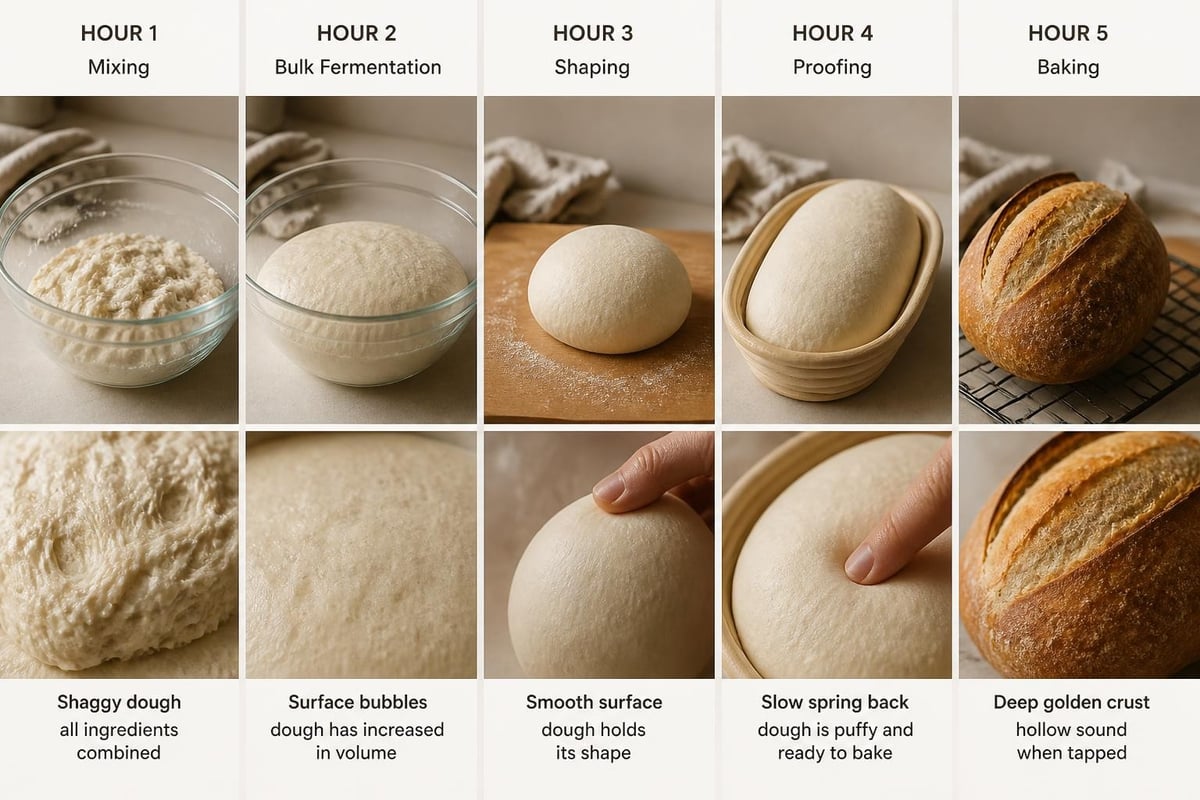
Excessive rising time or warm temperatures cause dough to over-proof, resulting in weakened gluten structure and alcohol-flavoured bread. Visual cues indicate when dough reaches optimal development.
Signs of proper fermentation:
- Dough doubles in volume during first rise
- Finger poke test leaves slow-filling indentation
- Smooth, slightly domed surface without tears
- Pleasant yeasty aroma without sharp alcohol notes
Shaped loaves require careful monitoring during final proof. Over-proofed dough deflates during baking rather than achieving oven spring.
Instant Yeast in South African Food Culture
Traditional South African baking encompasses diverse influences from Dutch, Malay, Indian, and indigenous African cuisines. Yeast-based recipes reflect this multicultural heritage through unique flavour combinations and preparation methods.
For expatriates in New Zealand, recreating these traditional foods maintains cultural connections and introduces Kiwi friends to beloved tastes from home. Something From Home stocks essential ingredients that complement instant yeast in authentic South African recipes, from Mrs Ball's Chutney for savoury breads to baking spices for traditional treats.
Regional Bread Traditions
Different South African regions developed distinctive bread styles reflecting available ingredients and cultural preferences. Understanding these variations helps bakers appreciate the versatility instant yeast offers.
Vetkoek represents perhaps the most iconic South African yeast bread. These golden fried dough balls traditionally accompany curried mince or simply get dusted with cinnamon sugar. Instant yeast simplifies the preparation whilst maintaining authentic texture and flavour.
Roosterkoek emerges from braai culture, grilled over open flames until charred outside and fluffy inside. The dough's moderate hydration and quick rise time make instant yeast ideal for spontaneous weekend gatherings.
Mosbolletjies showcases the Cape Malay influence with grape must and aniseed creating distinctive sweetness and aroma. This specialty bread requires precise fermentation control that instant yeast readily provides.
Modern Adaptations and Innovations
Contemporary South African bakers increasingly experiment with artisan techniques whilst respecting traditional recipes. Cold fermentation, autolyse methods, and tangzhong water roux applications enhance texture and extend freshness.
These advanced techniques work seamlessly with instant yeast, offering home bakers professional-quality results. The reduced yeast quantities used in overnight fermentation create complex flavours reminiscent of sourdough whilst maintaining the convenience and predictability instant yeast provides.
Purchasing and Availability in New Zealand
New Zealand supermarkets stock various instant yeast brands, though selection varies by location. Major cities offer greater variety, whilst smaller towns may carry limited options.
Online shopping expands access considerably. Specialty baking suppliers import premium brands, whilst general grocery delivery services provide convenient home delivery of standard varieties.
For South Africans seeking familiar brands alongside instant yeast, browsing South African groceries online provides one-stop shopping for complete recipe requirements. This convenience particularly benefits those living outside major urban centres.
Quality Indicators and Brand Selection
Premium instant yeast delivers superior performance through careful processing and quality control. Look for vacuum-sealed packaging, clear expiration dates, and manufacturers with established reputations.
| Quality Factor | Premium Brands | Budget Options |
|---|---|---|
| Cell viability | 95%+ living cells | 85-90% living cells |
| Granule consistency | Uniform size | Variable size |
| Rise speed | Very rapid | Moderate to rapid |
| Storage stability | Excellent | Good |
| Price per 100g | Higher | Lower |
Professional bakers often purchase instant yeast in bulk formats, reducing cost per use whilst ensuring fresh product rotation. Home bakers benefit from smaller sachets or jars that maintain potency throughout typical usage periods.
Cost Efficiency and Long-Term Value
Bulk purchasing reduces per-recipe costs significantly. A 500-gram package costing twenty dollars provides approximately 250 standard bread recipes, equating to eight cents per loaf compared to thirty cents for individual sachets.
Calculate true value by considering storage capacity, typical usage frequency, and product shelf life under your specific storage conditions. Active bakers making bread multiple times weekly justify larger quantities, whilst occasional bakers prefer smaller packages ensuring freshness.
Advanced Techniques for Experienced Bakers
Mastering basic instant yeast applications opens pathways to sophisticated baking projects. Professional methods translate successfully to home kitchens with proper understanding and practice.
Pre-Ferments and Flavour Development
Poolish, biga, and pâte fermentée introduce pre-fermentation stages that develop complex flavours and improve texture. These techniques use small instant yeast quantities combined with flour and water, fermenting 8 to 16 hours before final dough mixing.
The extended fermentation allows enzymatic breakdown of starches and proteins, creating compounds that enhance taste, aroma, and keeping quality. Breads made with pre-ferments maintain freshness three to four days longer than straight dough methods.
Enriched Dough Considerations
High-fat and high-sugar doughs require adjusted yeast quantities and extended fermentation periods. Butter, eggs, milk, and sugar interfere with gluten development and slow yeast activity through osmotic pressure.
Osmotolerant instant yeast strains specifically address these challenges, maintaining robust fermentation in sweet doughs containing up to 30 percent sugar by flour weight. Standard instant yeast works adequately in moderately enriched doughs but struggles with very sweet formulations.
Mastering instant yeast unlocks endless baking possibilities, from traditional South African favourites to international bread styles. Understanding proper storage, accurate measurement, and fermentation principles ensures consistent success whether you're making vetkoek for a family braai or experimenting with artisan techniques. For South Africans in New Zealand seeking authentic ingredients to complement your baking adventures, Something From Home stocks more than 2,500 South African products, delivering the tastes of home right to your door alongside all your baking essentials.