Ginger Nuts Guide: Everything You Need to Know in 2026
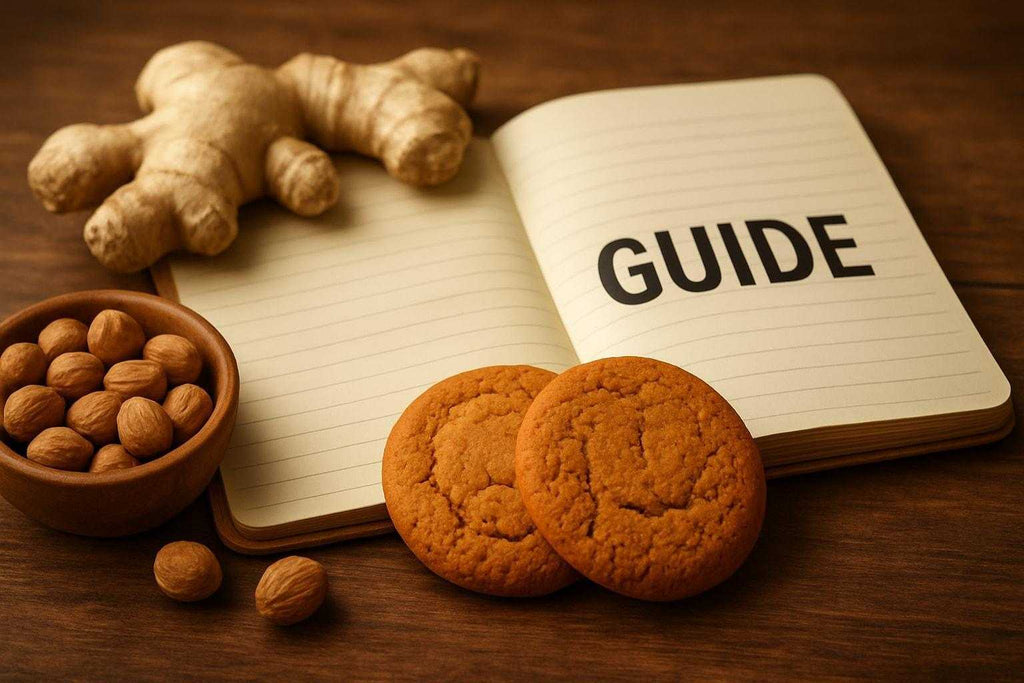
From the classic Kiwi biscuit tin to global tea-time tables, ginger nuts continue to be a crunchy favourite with a spicy twist. Their unmistakable snap and warming flavour have made them a beloved treat across generations.
This comprehensive guide reveals everything you need to know about ginger nuts in 2026. You will uncover their rich history, essential ingredients, step-by-step recipes, and expert baking secrets.
Curious about modern variations or health facts? Discover the enduring appeal of ginger nuts, learn how to master them at home, and explore the latest trends that keep this classic biscuit relevant.
The History and Origins of Ginger Nuts
Ginger nuts carry a rich legacy that stretches far beyond the Kiwi biscuit tin. Their journey spans continents and centuries, making them a beloved treat with a story worth savouring.
The Global Story of Ginger Biscuits
The roots of ginger nuts reach back to medieval Europe, where ginger was prized both for flavour and its ability to preserve baked goods. Early gingerbread and spiced biscuits became popular at fairs and markets, marking the start of a centuries-long love affair with ginger in baking.
By the 19th century, ginger biscuits had made their way to New Zealand and Australia, arriving with settlers eager to recreate comforting treats from home. Over time, these biscuits evolved to suit local tastes. The term "nut" in ginger nuts does not refer to actual nuts but rather highlights their famously crunchy texture, which sets them apart from softer gingerbread or ginger snaps.
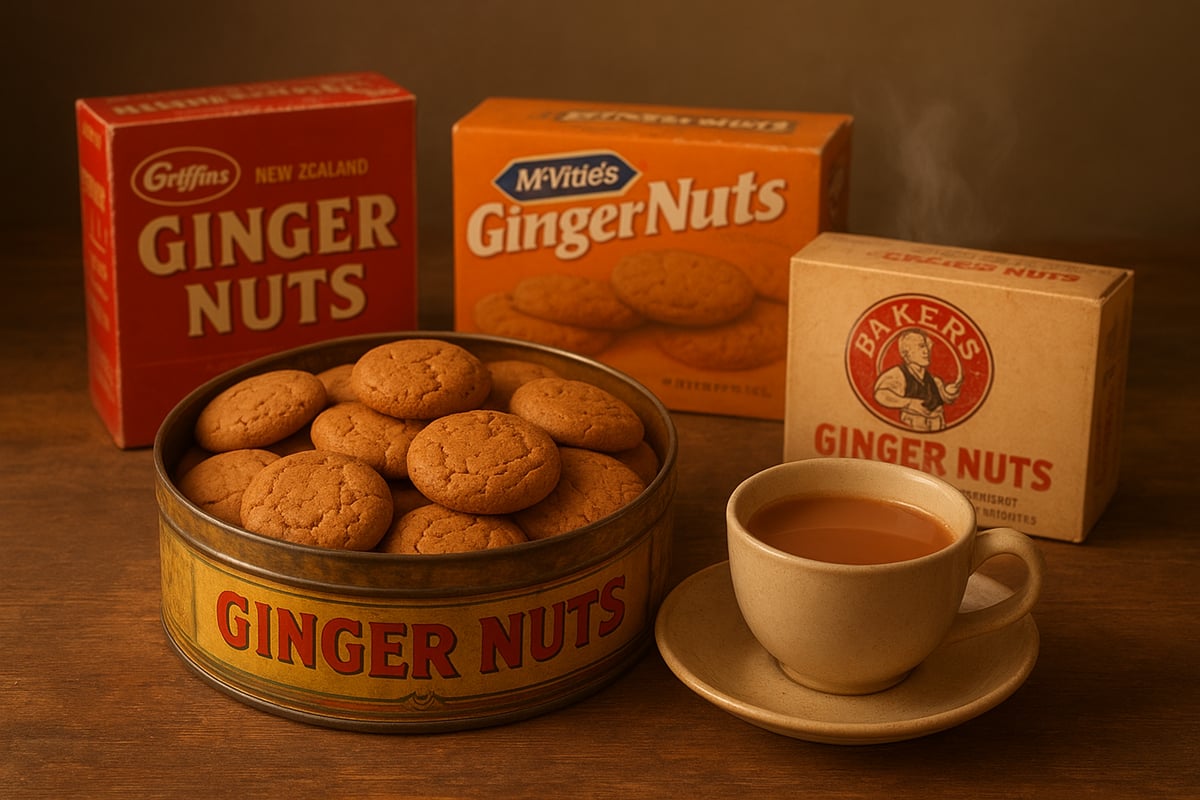
Famous brands have played a pivotal role in cementing the popularity of ginger nuts. In New Zealand, Griffin’s Gingernuts have become a household staple for generations. Their signature crunch and spicy warmth are so iconic that Griffin’s celebrated its 90th anniversary recently, underscoring the biscuit’s deep cultural roots (Griffin's Gingernut 90th Anniversary). In the UK, McVitie’s Ginger Nuts are a classic choice, while in South Africa, Bakers Ginger Nuts hold a special place in family rituals and tea-time traditions.
Ginger nuts in South African culture often share similarities with their Antipodean cousins, featuring a robust crunch and pronounced ginger flavour. However, local touches, such as different spice blends or serving customs, add regional flair.
Their enduring appeal is also reflected in supermarket aisles. In New Zealand, ginger nuts consistently rank among the top-selling biscuits, a testament to their status as a pantry must-have. They have become more than just a treat; ginger nuts are woven into family traditions, from dunking in a hot cuppa to being tucked into school lunchboxes. References to ginger nuts appear in everything from nostalgic TV adverts to beloved children’s stories, highlighting their place in Kiwi pop culture.
The story of ginger nuts is one of adaptation and tradition, crossing borders and generations. Whether enjoyed at a family gathering or as a simple comfort with tea, ginger nuts remain a crunchy connection to the past for biscuit lovers around the world.
What Makes a Ginger Nut? Key Ingredients and Flavour Profile
What sets ginger nuts apart from other biscuits? It comes down to a simple yet carefully balanced ingredient list, the interplay of spices, and a signature crunch that has made ginger nuts a staple in homes and lunchboxes for generations.
Classic Ingredients Breakdown
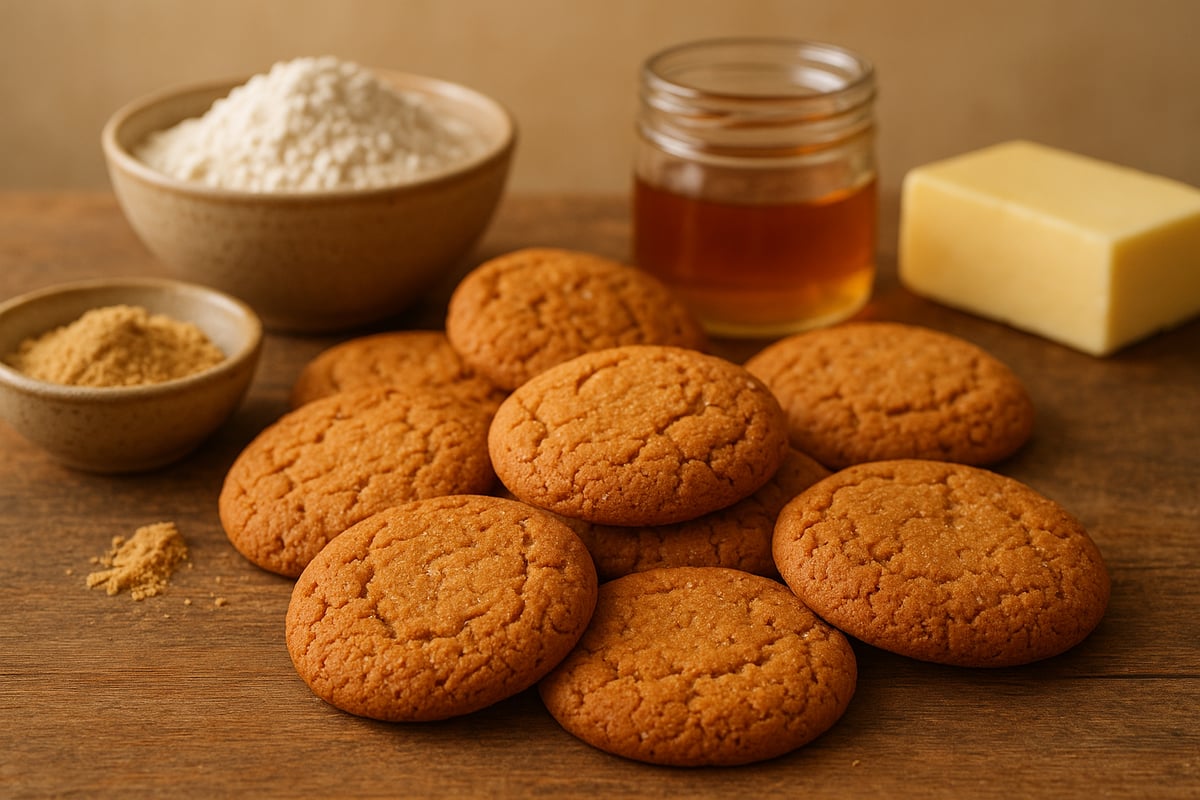
The foundation of ginger nuts lies in a handful of pantry staples. Traditional recipes include plain flour, sugar, butter, golden syrup, a generous amount of ground ginger, baking soda, and an egg. Each ingredient is essential for achieving that iconic snap and bold flavour.
Flour provides structure, while butter and golden syrup add richness and depth. Sugar, whether white or brown, sweetens and helps the biscuits crisp up during baking. Baking soda reacts with the acidic syrup, creating tiny bubbles for a lighter texture.
Egg binds the mixture and gives ginger nuts their distinct chew. Ground ginger is the hero, delivering warmth and spice. Cinnamon is often added for extra complexity, rounding out the flavour profile.
The Role of Golden Syrup and Spices
Golden syrup is a key player in ginger nuts. Its subtle caramel notes enhance both sweetness and aroma, resulting in a biscuit that is moreish and comforting. Some bakers swap golden syrup for treacle or molasses, but golden syrup remains the classic choice for a milder, toffee-like finish.
Spices make ginger nuts unforgettable. Ground ginger is used generously, and some recipes include cinnamon or even a pinch of cloves or nutmeg for added warmth. The balance of these spices is what gives ginger nuts their signature character.
Ingredient Variations and Dietary Swaps
Ginger nuts recipes are remarkably adaptable. Swapping brown sugar for white sugar produces a deeper, almost toffee flavour and a darker colour. Using self-raising flour instead of plain flour with baking soda can alter the rise and texture, making the biscuits slightly lighter.
For those seeking gluten-free or vegan ginger nuts, there are reliable substitutions. Gluten-free flour blends, often with xanthan gum, mimic the structure of wheat flour. Margarine replaces butter, and a flax egg (1 tablespoon ground flaxseed mixed with 3 tablespoons water) stands in for egg. These swaps allow everyone to enjoy ginger nuts, regardless of dietary needs.
Below is a quick comparison of classic and dietary swaps:
| Ingredient | Classic Version | Gluten-Free/Vegan Swap |
|---|---|---|
| Flour | Plain flour | GF flour blend + xanthan |
| Butter | Butter | Margarine |
| Egg | Egg | Flax egg |
| Sugar | White or brown | Coconut or raw sugar |
Crunchiness, Flavour, and Calories
The texture of ginger nuts is all about balance. More butter or golden syrup creates a slightly softer biscuit, while extra flour and a longer bake increase crunch. Doubling the ginger, as many home bakers suggest, intensifies the spice and brings a real kick.
On average, each ginger nuts biscuit contains about 123 kcal. For detailed nutritional information and a closer look at what goes into a classic ginger nut, you can refer to McVitie's Ginger Nuts Nutrition.
Getting the ratios right is key to mastering the perfect ginger nuts—crisp, spicy, and irresistibly dunkable.
How to Bake the Perfect Ginger Nuts: Step-by-Step Guide
Baking ginger nuts at home is a rewarding process that delivers crisp, spicy biscuits every time. Whether you are a novice or a seasoned baker, following a clear, structured approach ensures consistent results. Let us walk through the essential steps, from ingredient preparation to troubleshooting for the perfect batch.
Preparing Your Ingredients and Tools
Setting yourself up for success begins with careful preparation. Gather all the necessary ingredients for ginger nuts: flour, sugar, butter, golden syrup, ground ginger, baking soda, cinnamon, and an egg. Use fresh, high-quality ingredients for the best flavour and structure.
Measure dry and wet ingredients separately. Sift flour, baking soda, ginger, and cinnamon into one bowl to ensure even distribution. In another, prep butter and golden syrup, ready for melting. This step is crucial, as proper measuring directly impacts the texture of your ginger nuts.
Decide if you are using a conventional method or a Thermomix. Both yield excellent results, but conventional mixing allows for more control over dough consistency. Preheat your oven to the recommended temperature, usually 180°C, and line baking trays with baking paper or grease them lightly. This prevents sticking and promotes even baking.
Having your tools ready—mixing bowls, measuring spoons, spatulas, and wire racks—simplifies the process. By preparing everything before you start, you set the stage for smooth, stress-free baking of ginger nuts.
Mixing and Shaping the Dough
Begin by sifting the dry ingredients—flour, baking soda, ground ginger, and cinnamon—into a large bowl. This step lightens the mixture and ensures your ginger nuts have a uniform rise and spice profile. In a small saucepan, gently melt butter and golden syrup together until smooth, then allow to cool slightly.
Combine the wet and dry ingredients, adding the egg last. Mix until a smooth, cohesive dough forms. The right balance of butter and egg is vital to prevent crumbly ginger nuts. If the dough feels too dry, add a teaspoon of milk or water at a time until it holds together.
Portion the dough using heaped teaspoons or roll into walnut-sized balls for even-sized ginger nuts. Wetting your hands helps prevent the dough from sticking and creates a uniform shape. Place each ball on the prepared tray, leaving space for spreading. Consistent sizing ensures all ginger nuts bake evenly, resulting in the signature crunch.
Baking and Cooling Techniques
Flatten each dough ball gently with a fork. This classic touch gives ginger nuts their familiar ridged tops and helps with even baking. Arrange the biscuits at least 8cm apart on the tray, as they will spread while baking.
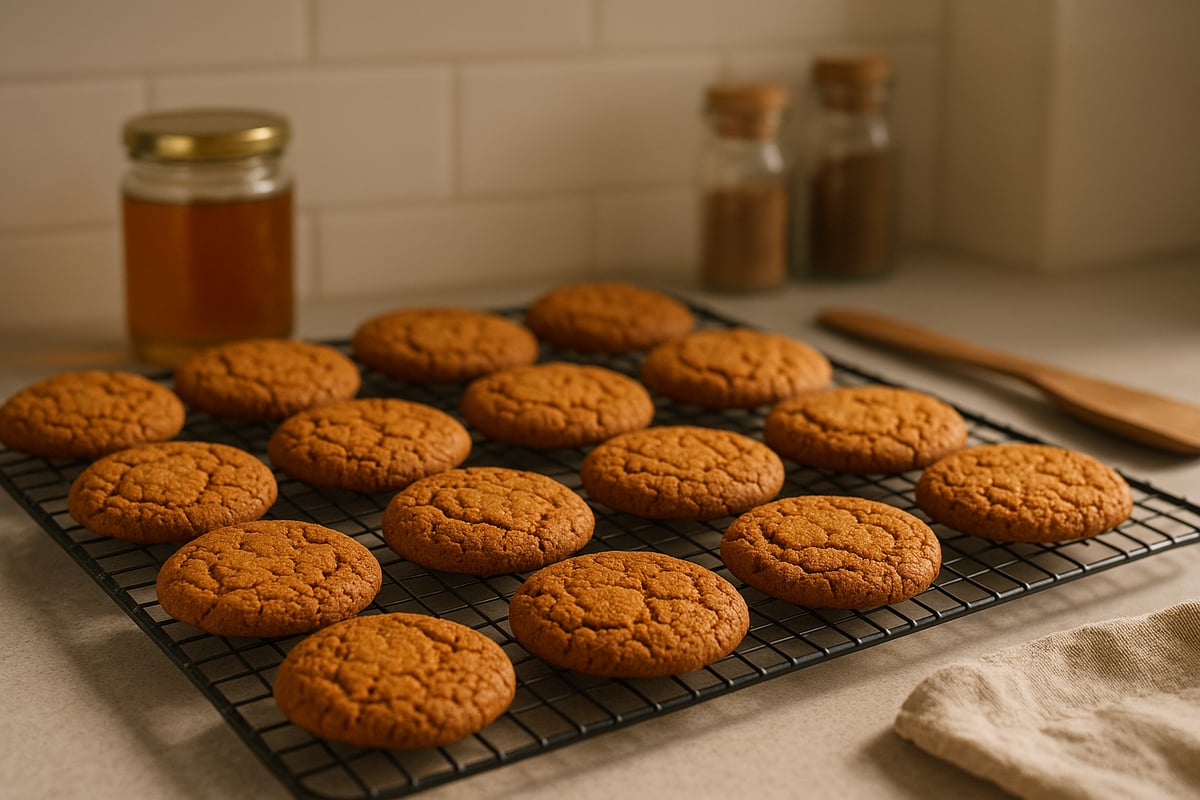
Bake for 10 to 20 minutes, depending on your oven and desired crunch. Keep an eye on colour—ginger nuts should be deep golden brown with crisp edges. Baking time may vary, so check at the 10-minute mark and adjust as needed. Once done, let the ginger nuts cool on the tray for a few minutes to firm up, then transfer to a wire rack to cool completely.
Proper cooling is essential to lock in the signature crunch. For tips on keeping your ginger nuts fresh and crisp, see these storage tips for baked goods. Store in an airtight container at room temperature, or freeze for longer shelf life without sacrificing texture.
Troubleshooting Common Problems
Even experienced bakers encounter challenges with ginger nuts. Here is a quick troubleshooting guide:
| Problem | Likely Cause | Solution |
|---|---|---|
| Crumbly dough | Not enough butter or egg | Add a little more melted butter |
| Dough too sticky | Too much liquid | Chill dough, add a spoon of flour |
| Mild ginger flavour | Not enough spice | Increase ground ginger or add cinnamon, nutmeg or cloves |
| Uneven baking | Inconsistent dough size or oven hot spots | Use even portions, rotate trays |
| Overbaked biscuits | Baking time too long | Check biscuits early, adjust time |
If your ginger nuts lack crunch, ensure they are baked until deep golden and cooled thoroughly. For bland results, try doubling the ground ginger or experimenting with additional spices. Adjust oven temperature or tray position if biscuits brown unevenly.
With these tips, every batch of ginger nuts can achieve the perfect balance of spice, crunch, and golden colour.
Ginger Nuts Around the World: Regional Variations & Traditions
From family biscuit tins in New Zealand to tea trays in the UK, ginger nuts have a truly international presence. Their enduring appeal lies in the way each region puts its own spin on this classic treat, creating a tapestry of textures, flavours, and traditions.
Comparing Textures and Ingredients
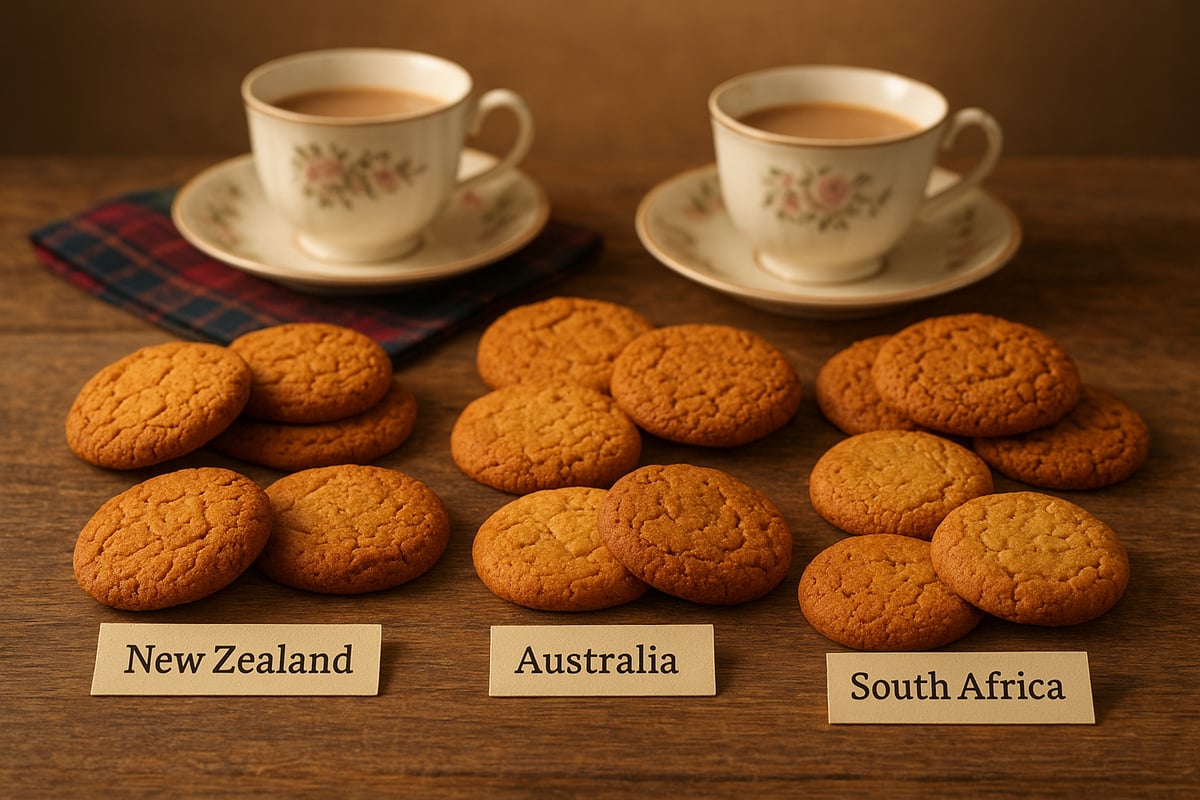
Around the world, ginger nuts are known for their signature crunch, but the degree of crispness can vary widely. In New Zealand and Australia, ginger nuts are famously hard and crunchy, designed to withstand a hearty dunk in hot tea or coffee. In contrast, UK ginger nuts, sometimes called ginger snaps, are often slightly softer and more delicate. South African versions fall somewhere in between, offering a satisfying bite without being overly hard. These differences come down to ingredient choices, such as the use of golden syrup for chewiness or treacle for extra depth, and the precise baking method. For a detailed look at regional variations and their origins, see the Ginger Snap Wikipedia Entry.
Regional Spice Blends and Flavour
The flavour profile of ginger nuts is shaped by regional spice traditions. In New Zealand, ground ginger takes centre stage, sometimes complemented by a hint of cinnamon for warmth. Australian bakers may add a touch of cloves or allspice for complexity. UK recipes often use a subtle blend, focusing on ginger with a background of treacle. South African ginger nuts occasionally feature a dash of nutmeg, reflecting broader spice influences. Some Scottish recipes suggest using pinhead oatmeal for extra crunch and a unique texture, which adds a rustic twist to the classic ginger nuts experience.
Serving Traditions and Cultural Significance
Ginger nuts are more than just a biscuit—they are woven into everyday rituals and special occasions. In New Zealand and Australia, they are a staple in school lunchboxes and a must-have for afternoon tea. The tradition of dunking ginger nuts in a hot drink is cherished across the UK and Commonwealth countries. In South Africa, ginger nuts are often enjoyed during family gatherings or festive celebrations, symbolising comfort and togetherness. These biscuits frequently appear in stories of childhood, holiday memories, and even pop culture, highlighting their place in family traditions and local identity.
Famous Brands and Signature Recipes
Famous brands have shaped the ginger nuts landscape in each region. Griffin’s is a household name in New Zealand, known for its extra-crunchy ginger nuts that have become a supermarket favourite. In the UK, McVitie’s ginger nuts are widely recognised, offering a distinctively spiced and slightly softer biscuit. South Africa’s Bakers brand produces a version that balances crunch with a rich, gingery flavour, beloved by expats and locals alike. Each brand brings its own recipe and legacy, ensuring that ginger nuts remain a beloved treat across generations and continents.
Modern Twists and Creative Ginger Nut Recipes
Ginger nuts have evolved from a simple classic to a versatile treat, inspiring bakers to experiment with new ingredients and creative uses. Whether you want a healthier spin or a show stopping dessert base, today's ginger nuts can be adapted for every taste and dietary need.
Innovative Flavours and Dietary Adaptations
As more home bakers look for inclusive treats, ginger nuts have become a canvas for dietary creativity. Gluten free ginger nuts use a blend of rice, potato, and tapioca flours, with a pinch of xanthan gum for structure. Vegan ginger nuts are easy to make by swapping butter for margarine and eggs for a flax egg mixture.
For those seeking bolder flavours, try doubling the ginger or adding ground nutmeg and cloves for extra warmth. Lemon zest brings a bright contrast to the rich spices, while rolling dough balls in raw sugar before baking adds a delightful crunch. Many bakers now use brown sugar instead of white for a deeper caramel note.
The flexibility of ginger nuts means you can adjust sweetness, spice, and texture to suit your preferences. If you have allergies or dietary concerns, it's helpful to consult health and allergy advice for treats to ensure your ginger nuts are safe for everyone to enjoy.
Creative Uses and Storage Tips
Ginger nuts are not just for dunking in tea. Crushed ginger nuts make an excellent base for cheesecakes, adding both crunch and spicy depth. You can also sandwich vanilla or lemon ice cream between two ginger nuts for a quick, crowd pleasing dessert. For a festive twist, sprinkle the tops with cinnamon sugar before baking or add a chocolate drizzle once cooled.
If you love making ginger nuts in batches, storage is simple. Place cooled biscuits in an airtight container at room temperature for up to one week. For longer storage, freeze ginger nuts in a sealed bag for up to one month. This way, you can always have fresh ginger nuts ready for unexpected guests or a sweet snack.
Experimenting with ginger nuts is a rewarding way to bring new flavours and fun to a beloved classic. With so many options, there is a ginger nuts recipe for every occasion and dietary preference.
Health, Nutrition, and Allergen Information
Understanding what goes into your ginger nuts is essential, especially if you are mindful of nutrition or managing allergies. Let us break down the key facts, so you can enjoy every crunchy bite with confidence.
Nutrition at a Glance
On average, a classic ginger nuts biscuit contains about 123 kcal, 19g carbohydrates, and 5g of fat per serving. This makes them a moderate treat for morning tea or as a lunchbox snack. For detailed figures on nutrients, you can refer to the UK Government Biscuit Nutrient Analysis, which includes ginger nuts among its comprehensive data.
| Nutrient | Per Biscuit (approx.) |
|---|---|
| Calories | 123 kcal |
| Carbohydrates | 19 g |
| Fat | 5 g |
| Protein | 1.3 g |
Allergen Information and Dietary Adaptations
Ginger nuts are naturally nut-free, despite the name. However, traditional recipes do contain wheat (gluten), dairy (butter), and egg. If you or your family have dietary restrictions, consider these alternatives:
- Swap plain flour for a gluten-free blend and add a small amount of xanthan gum for structure.
- Use margarine instead of butter to make dairy-free ginger nuts.
- Flaxseed mixed with water is a common egg substitute for vegan versions.
- Always check labels if using store-bought ingredients.
These swaps make ginger nuts a suitable option for most lunchboxes and gatherings where allergies are a concern.
Health Benefits and Moderation
Ginger, the star spice, is well known for its anti-inflammatory and digestive properties. While ginger nuts are a treat, enjoying them in moderation can be part of a balanced diet, especially if you opt for recipes with reduced sugar or added fibre.
Storage and Shelf Life
To keep ginger nuts crisp, store them in an airtight container at room temperature. They will stay fresh for up to two weeks. For longer storage, you can freeze them for up to a month. Place parchment between layers to prevent sticking and preserve their signature crunch.
Expert Baking Tips and Frequently Asked Questions
Perfecting ginger nuts at home is all about mastering the basics and learning from the little details only experienced bakers know. Whether you are a first-timer or looking to elevate your results, these expert tips will help you achieve consistently delicious ginger nuts every bake.
Pro Advice for Consistently Great Ginger Nuts
Start with fresh self-raising flour and bicarbonate of soda. This ensures your ginger nuts rise properly and develop that signature crunch. If your flour or bicarb is past its prime, your biscuits may turn out flat or dense.
When rolling the dough, wet your hands lightly. This simple trick prevents the mixture from sticking and helps shape even balls for uniform ginger nuts. Consistent sizing is key for even baking.
Avoid overbaking. Watch for the moment when ginger nuts turn a deep golden brown with crisp edges. Slightly underbaked biscuits will harden as they cool, so do not leave them in too long.
Batch baking is a great way to save time. Ginger nuts freeze well: store cooled biscuits in an airtight container or zip-lock bag, then freeze for up to one month. For extra crunch, some bakers recommend storing ginger nuts in the fridge, which keeps them crisp for days.
If your dough is crumbly, it may need more butter or a splash of milk. Dry or bland ginger nuts often need a touch more spice or moisture, so adjust your ginger and syrup to taste.
Frequently Asked Questions
Do ginger nuts contain nuts?
No, despite the name, ginger nuts are completely nut-free. The name comes from their hard, crunchy texture, not from nuts in the recipe.
Why are they called “ginger nuts”?
The term “nut” refers to the biscuit’s hard, snappy bite. Ginger nuts have been a favourite in New Zealand for generations, known for their robust crunch and spicy warmth.
How do you keep ginger nuts crisp?
Store ginger nuts in an airtight container, away from moisture. For longer-lasting crunch, keep them in the fridge. Many home bakers swear by this method for maintaining that classic texture.
What if my ginger nuts are dry or bland?
If your biscuits turn out dry, try adding a little more butter or a room temperature egg. For extra flavour, increase the ginger or add a pinch of cinnamon or nutmeg.
Mastering ginger nuts is a rewarding process. With a few expert tweaks, you will enjoy perfect, crunchy biscuits every time.
The Future of Ginger Nuts: Trends and Innovations in 2026
The world of ginger nuts is evolving rapidly in 2026, with new trends shaping how we enjoy this classic biscuit. Bakers and brands are responding to changing tastes, dietary needs, and lifestyle shifts, ensuring ginger nuts remain a beloved treat for generations. As more people embrace home baking, the market for ginger nuts is experiencing a fresh wave of creativity and enthusiasm.
Artisan and gourmet ginger nuts are making a splash on supermarket shelves and in boutique bakeries. Gluten-free and vegan options have become mainstream, with innovative flour blends and plant-based ingredients delivering the same satisfying crunch. Recipe developers are experimenting with lower-sugar formulas, added fibre, and alternative sweeteners to create ginger nuts that meet modern health goals. Lemon zest, extra spice, and raw sugar toppings are just a few of the creative twists gaining popularity.
Sustainability is also front and centre. Many ginger nuts producers are adopting eco-friendly packaging and sourcing local ingredients to reduce their carbon footprint. Consumers are increasingly aware of the origins of their food and are seeking out brands that align with their values. These changes reflect a broader movement towards mindful, responsible snacking.
Social media platforms are fuelling ginger nuts’ resurgence as a comfort food and cultural icon. Viral recipe challenges, creative presentations, and family baking videos are inspiring a new generation to put their own spin on tradition. Communities around the world, including those celebrating South African food traditions, are sharing nostalgic stories and custom recipes online. Statistics show a steady increase in homemade biscuit baking, with demand for healthier and more diverse ginger nuts options at an all-time high.
Now that you know the fascinating history, baking secrets, and modern twists behind ginger nuts, why not experience these beloved biscuits for yourself If you’re craving that authentic South African crunch or simply want to explore a new favourite for your next tea break, we’ve got you covered With the largest selection of genuine treats available and shipping straight to your door in New Zealand or Australia, it’s easy to rediscover the flavours you love Take a look and View Range of South African Biscuits—you might just find your new go to biscuit
-
Posted in
Baking Guide, Biscuits, Cookies, Ginger Flavour, Ginger Nuts, Recipes