Dish Cloth Hygiene: Essential Kitchen Care Guide
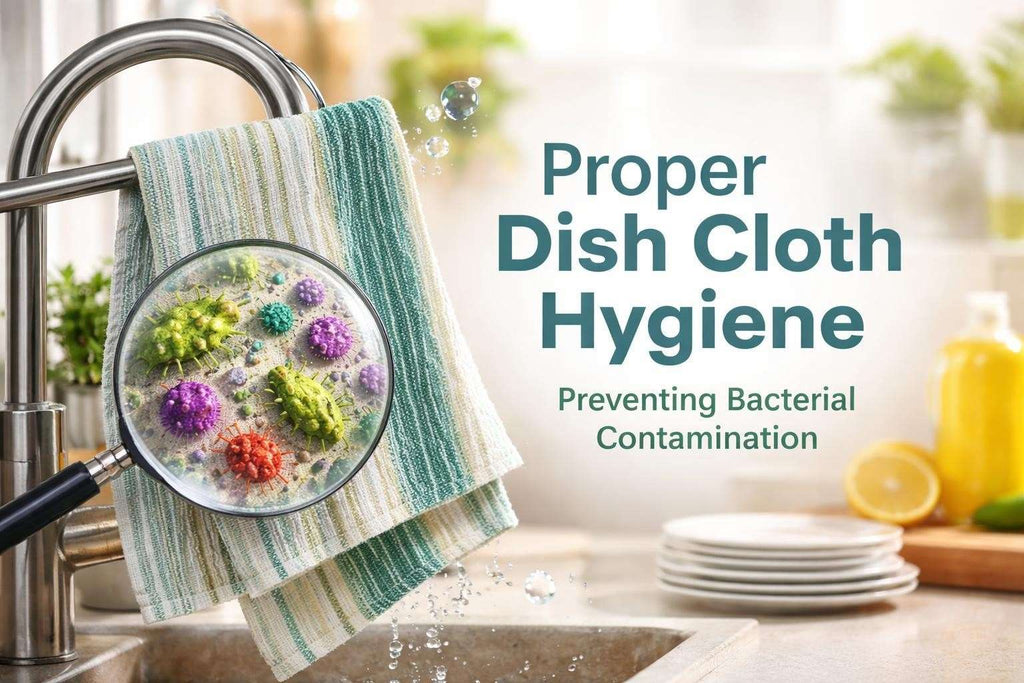
The humble dish cloth sits at the heart of every kitchen, yet few of us consider the crucial role this simple textile plays in maintaining food safety and hygiene standards. For South African expats living in New Zealand and Australia, kitchen routines often carry cherished traditions from home, where preparing beloved dishes requires meticulous cleanliness. Whether you're cleaning surfaces after making boerewors rolls or wiping down preparation areas following a traditional braai session, understanding proper dish cloth management becomes essential for protecting your family's health. This comprehensive guide explores the science behind dish cloth hygiene, effective maintenance practices, and practical strategies for keeping your kitchen safe while enjoying the authentic flavours that remind you of home.
The Hidden Dangers Lurking in Your Dish Cloth
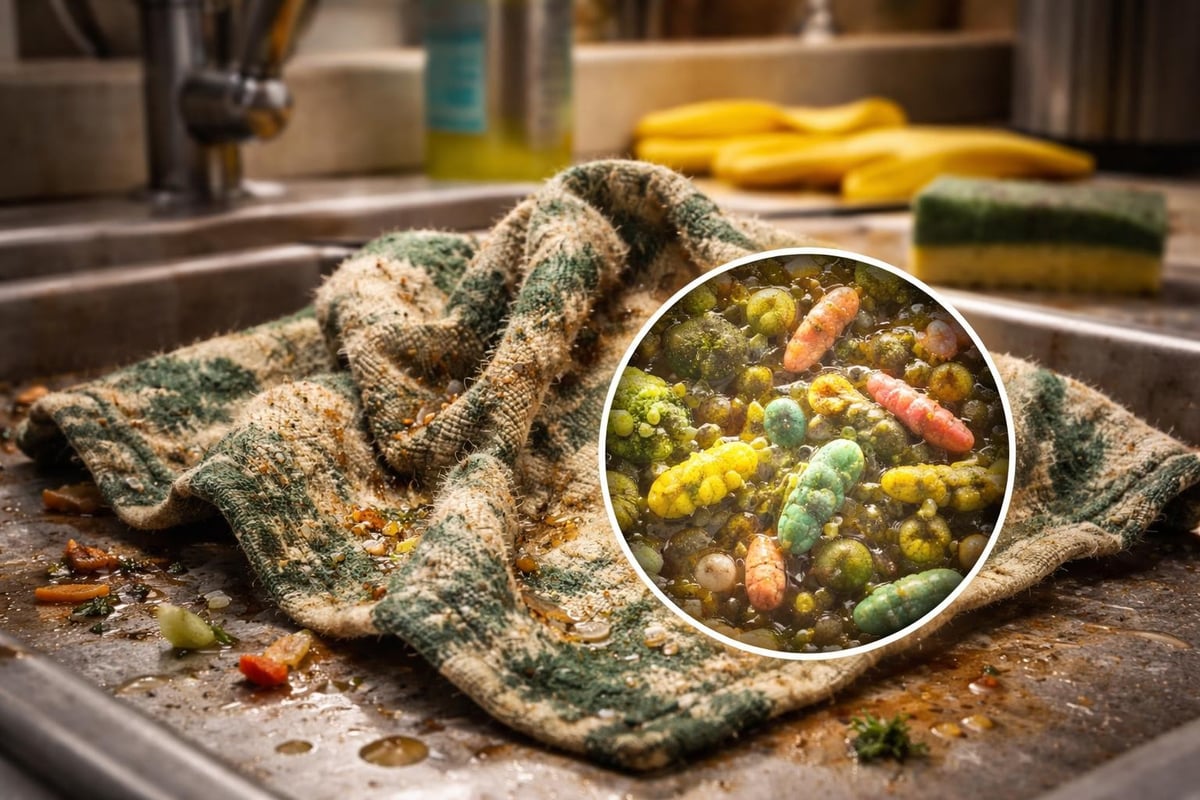
Research consistently reveals that dish cloths harbour significantly more bacteria than many other household items. According to studies on microbiological contamination in dishcloths, these everyday tools can contain harmful bacteria including E. coli, Listeria, and Salmonella. The warm, moist environment created by a damp cloth provides ideal breeding conditions for microorganisms.
Why dish cloths become contaminated so rapidly:
- Constant contact with food particles and organic matter
- Moisture retention throughout the day
- Inadequate cleaning between uses
- Storage in warm kitchen environments
- Cross-contamination from different surfaces
The implications extend beyond simple cleanliness. When you wipe a benchtop with a contaminated dish cloth, you're potentially spreading thousands of bacteria across food preparation surfaces. This risk increases substantially when handling raw meats or working with temperature-sensitive ingredients common in South African cooking.
Temperature and Bacteria Growth
Temperature plays a critical role in bacterial proliferation. Most harmful bacteria thrive between 5°C and 60°C, often called the "danger zone" in food safety. A damp dish cloth left on the counter maintains this perfect temperature range, allowing bacterial populations to double every 20 minutes under optimal conditions.
Consider the typical kitchen workflow: you prepare ingredients, wipe surfaces, rinse the cloth, and leave it beside the sink. Within hours, that seemingly clean cloth transforms into a bacterial reservoir. Research indicates that kitchen towels can harbour millions of bacteria, with some samples showing contamination levels comparable to raw sewage.
Material Matters: Choosing the Right Dish Cloth
Different dish cloth materials offer varying levels of absorbency, durability, and bacterial resistance. Understanding these properties helps you make informed choices for your kitchen needs.
| Material | Absorbency | Durability | Bacterial Resistance | Best Use |
|---|---|---|---|---|
| Cotton | High | Good | Moderate | General cleaning, dishes |
| Microfibre | Very High | Excellent | Good | Surfaces, glass, bench tops |
| Cellulose | High | Fair | Poor | Single-use tasks, spills |
| Bamboo | High | Good | Better | Eco-friendly general use |
Cotton dish cloths remain popular for their absorbency and familiarity, particularly among those maintaining traditional cooking practices. However, their natural fibres can trap bacteria more readily than synthetic alternatives. Microfibre cloths offer superior cleaning power and release fewer bacteria during use, though they require specific washing methods.
Single-Purpose Designation
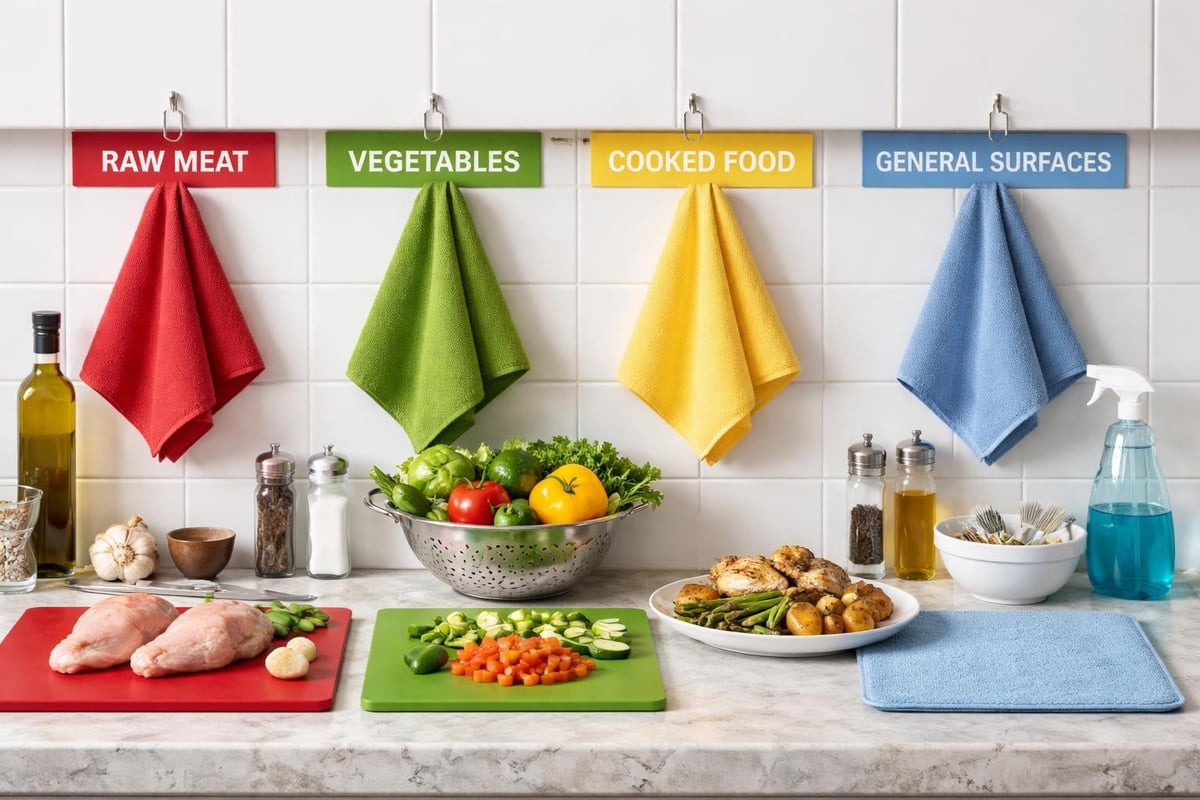
Professional kitchens employ colour-coded systems to prevent cross-contamination. Adopting this principle at home significantly reduces health risks:
- Raw meat and poultry - dedicated red cloth
- Vegetables and fruit - green cloth
- Cooked foods - blue cloth
- General surfaces - yellow cloth
This systematic approach proves especially valuable when preparing diverse meals, from traditional potjiekos to contemporary fusion dishes. By maintaining separate cloths for different tasks, you minimize the risk of transferring harmful bacteria between food groups.
Evidence-Based Cleaning Protocols
Studies assessing contaminated dishcloths demonstrate that standard rinsing proves inadequate for eliminating bacteria. Effective sanitization requires deliberate, thorough methods applied consistently.
Daily Maintenance Routine
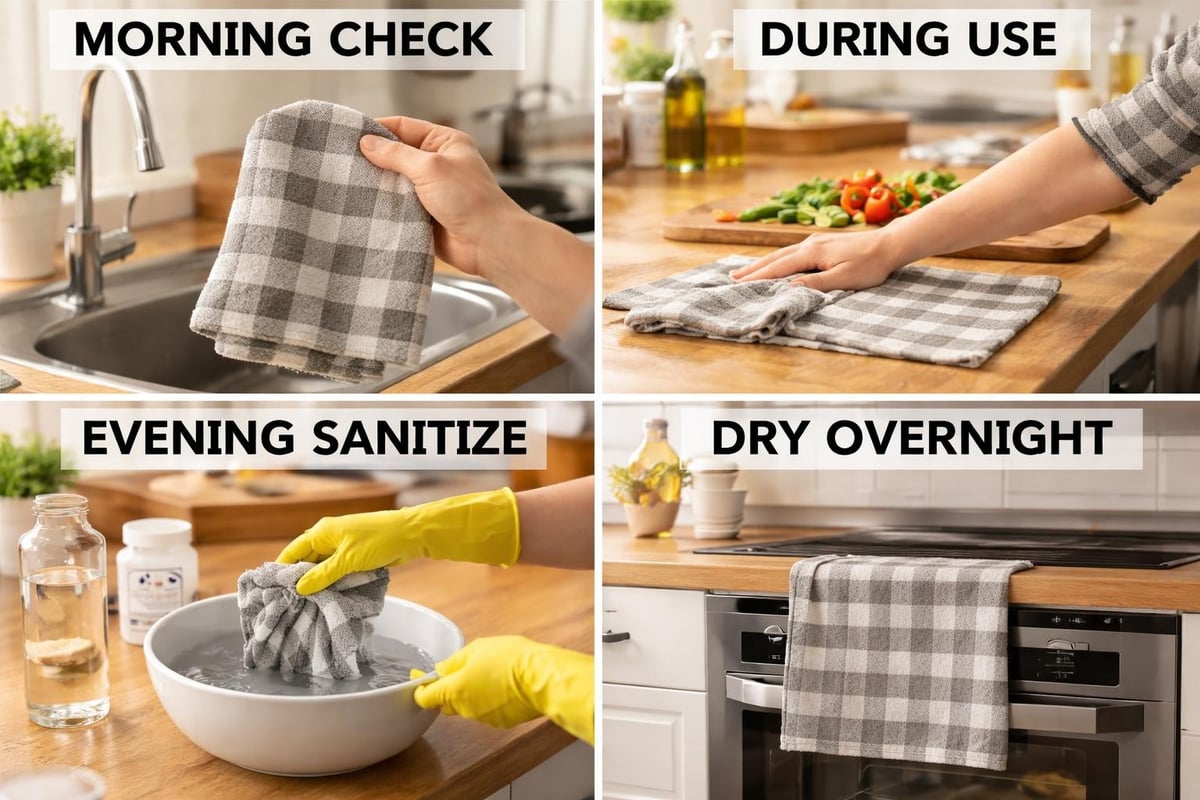
Morning preparation:
- Start each day with a fresh, clean dish cloth
- Inspect for visible stains or odours
- Ensure complete drying occurred overnight
During use:
- Rinse thoroughly with hot water after each task
- Wring out excess moisture completely
- Avoid leaving wadded in the sink
- Replace immediately if heavily soiled
Evening sanitization:
- Machine wash in hot water (minimum 60°C)
- Use appropriate detergent and bleach when suitable
- Alternatively, microwave damp cloth for 2 minutes on high
- Air dry completely before storing
The microwave method deserves special attention for its efficiency. Research shows that microwaving a damp dish cloth for two minutes kills up to 99% of bacteria, providing a quick sanitization option between machine washes.
Advanced Sanitization Techniques
Beyond basic washing, several methods provide enhanced bacterial elimination for dish cloths that see heavy use or contact with high-risk materials.
Heat Treatment Methods
Boiling method:
- Fill a pot with water and bring to rolling boil
- Submerge dish cloth completely
- Boil for minimum 5 minutes
- Remove with tongs and air dry thoroughly
Oven sanitization:
- Preheat oven to 200°C
- Place damp cloth in oven-safe dish
- Heat for 10 minutes
- Allow to cool before handling
Chemical Sanitization
For those preferring chemical methods, several options effectively eliminate bacteria while maintaining cloth integrity. Proper dishcloth hygiene practices recommend using approved sanitizers at correct concentrations.
Bleach solution remains highly effective:
- Mix 1 tablespoon bleach per 4 litres water
- Soak cloth for 5 minutes
- Rinse thoroughly with clean water
- Air dry completely
Vinegar provides a natural alternative, though less powerful against certain bacteria. Use undiluted white vinegar for a 10-minute soak, followed by hot water washing.
Storage and Replacement Strategies
Proper storage prevents bacterial regrowth between uses. Many households unknowingly create ideal breeding conditions by storing damp cloths in confined spaces.
Optimal storage conditions:
- Allow complete air drying before storage
- Hang in well-ventilated area
- Avoid plastic containers or sealed drawers
- Maintain separation from other cleaning tools
- Store away from direct food contact surfaces
When to Replace Your Dish Cloth
Even with meticulous care, dish cloths require regular replacement. Visual inspection and practical considerations guide this decision:
- Odour development - persistent smell despite washing indicates deep bacterial colonization
- Staining - permanent discolouration suggests fiber breakdown
- Texture changes - fraying, thinning, or roughness reduces effectiveness
- Time-based replacement - replace every 2-4 weeks regardless of condition
For households preparing multiple daily meals or handling raw meats frequently, weekly replacement ensures optimal hygiene. Budget-conscious approaches include purchasing multi-packs and rotating through a larger inventory.
Cross-Contamination Prevention in Multi-Cultural Kitchens
South African expats often maintain diverse cooking traditions, preparing both local New Zealand fare and cherished homeland recipes. This culinary variety demands heightened attention to cross-contamination risks.
Consider a typical weekend scenario: you're preparing traditional sosaties while also handling fresh New Zealand seafood. Each protein carries distinct bacterial profiles requiring separate handling protocols. Your dish cloth management must reflect these different risk levels.
Practical Implementation
Create designated zones within your kitchen workflow. When working with ingredients from South African groceries, establish clear boundaries between raw and cooked food preparation areas. Use separate dish cloths for each zone, preventing transfer of bacteria between different food types.
Professional research on cleaning cloth contamination emphasizes this separation as critical in preventing foodborne illness. Commercial kitchens face significant penalties for cross-contamination violations, underscoring the serious health implications.
Environmental Considerations and Sustainable Practices
Balancing hygiene requirements with environmental responsibility presents challenges for conscientious households. Frequent replacement and hot-water washing consume resources, yet compromising cleanliness risks health.
Sustainable Dish Cloth Options
Modern materials offer improved environmental profiles without sacrificing hygiene:
- Bamboo cloths - renewable resource, naturally antimicrobial properties
- Organic cotton - pesticide-free production, biodegradable
- Recycled microfibre - repurposed materials, long-lasting durability
- Compostable cellulose - plant-based, suitable for home composting
Swedish dishcloths, made from cellulose and cotton, provide an interesting middle ground. These reusable yet compostable options last several weeks with proper care, then break down naturally at end-of-life.
Washing Efficiency Tips
Reduce environmental impact while maintaining hygiene:
- Collect multiple dish cloths for full washing loads
- Use concentrated, eco-friendly detergents
- Choose energy-efficient hot water settings
- Air dry instead of tumble drying when possible
- Consider hand-washing in very hot water for immediate reuse
Special Considerations for Specific Cooking Tasks
Different culinary activities demand adapted dish cloth protocols. Understanding these nuances ensures appropriate hygiene across your complete cooking repertoire.
After Braai Sessions
The beloved South African tradition of outdoor grilling creates unique cleaning challenges. Smoke residue, meat fats, and high-protein debris demand thorough cloth sanitization. Reserve specific cloths exclusively for post-braai cleanup, washing them separately using degreasing agents and high temperatures.
| Cooking Activity | Recommended Cloth Type | Sanitization Frequency | Special Considerations |
|---|---|---|---|
| Braai/BBQ cleanup | Heavy-duty cotton | After each use | Use degreaser, hot wash |
| Baking | Microfibre | Daily | Avoid fabric softener |
| Raw meat handling | Disposable or dedicated | Immediately after | Consider single-use |
| General wiping | Standard cotton/bamboo | Daily | Regular rotation |
Baking and Pastry Work
Flour dust and sugar residues require different handling than protein-based foods. These particles, while not inherently dangerous, create sticky films that trap bacteria. Use dedicated baking cloths and shake thoroughly before washing to remove excess dry ingredients.
Family Health and Vulnerable Populations
Households with young children, elderly members, or immunocompromised individuals require heightened dish cloth hygiene standards. These vulnerable populations face greater risks from foodborne pathogens that healthy adults might tolerate.
Enhanced protocols for at-risk households:
- Replace dish cloths every 24-48 hours
- Use sanitizing solutions daily
- Consider paper towels for high-risk tasks
- Maintain separate cloths for baby items
- Never reuse cloths that contacted raw meat
Parents preparing foods for infants should consider disposable options entirely for surfaces contacting bottles, feeding equipment, or prepared baby foods. The minimal additional cost proves worthwhile against potential health complications.
Common Mistakes and How to Avoid Them
Despite good intentions, many households inadvertently compromise their dish cloth hygiene through simple oversights.
Frequent errors include:
- Leaving damp cloths bunched on counters overnight
- Using the same cloth for dishes and floor spills
- Insufficient wringing between tasks
- Storing cloths in dark, enclosed spaces
- Ignoring obvious signs of wear or contamination
- Washing in cold or warm water instead of hot
Research comparing paper towels to reusable cloths suggests that improper cloth maintenance can make disposable options safer. However, with correct protocols, reusable dish cloths match or exceed paper towels for hygiene while offering environmental and economic advantages.
Breaking Bad Habits
Changing ingrained kitchen routines requires conscious effort. Set reminders for cloth replacement schedules, designate specific storage locations, and establish end-of-day sanitization rituals. Within weeks, these practices become automatic, seamlessly integrating into your kitchen workflow.
Professional Kitchen Standards for Home Application
Commercial food service operations follow strict regulations regarding cleaning textiles. Information on contaminated dishcloths as health hazards highlights standards applicable to home kitchens.
Professional kitchens typically:
- Change cleaning cloths every 2-4 hours during service
- Maintain sanitizer buckets at specific concentrations
- Use color-coded systems preventing cross-contamination
- Document cleaning schedules and cloth replacement
- Train staff on proper textile handling
Home cooks can adapt these principles proportionally. While you needn't change cloths hourly, adopting a mindful, systematic approach significantly improves kitchen hygiene.
Integration with Complete Kitchen Hygiene Systems
Dish cloth management represents just one component of comprehensive kitchen cleanliness. General information about dishcloths and their role in broader hygiene systems helps contextualize proper use.
Coordinated hygiene elements:
- Hand washing protocols before and during food preparation
- Cutting board sanitization and material selection
- Sponge care or elimination in favor of brushes
- Regular deep cleaning of appliances and surfaces
- Proper food storage preventing contamination
View your dish cloth as part of this interconnected system rather than an isolated concern. When all elements work together, your kitchen achieves professional-level cleanliness supporting both health and culinary excellence.
Maintaining proper dish cloth hygiene requires consistent attention and evidence-based practices, but the investment protects your family's health while supporting the culinary traditions you cherish. Whether you're preparing everyday meals or special recipes that connect you to South African heritage, clean preparation surfaces make every dish safer and more enjoyable. Something From Home understands the importance of maintaining traditions while adapting to life in New Zealand and Australia, which is why we're committed to bringing you authentic products that make your kitchen feel like home, now shipping throughout both countries.