Biltong SA Guide: Your Essential Handbook for 2026
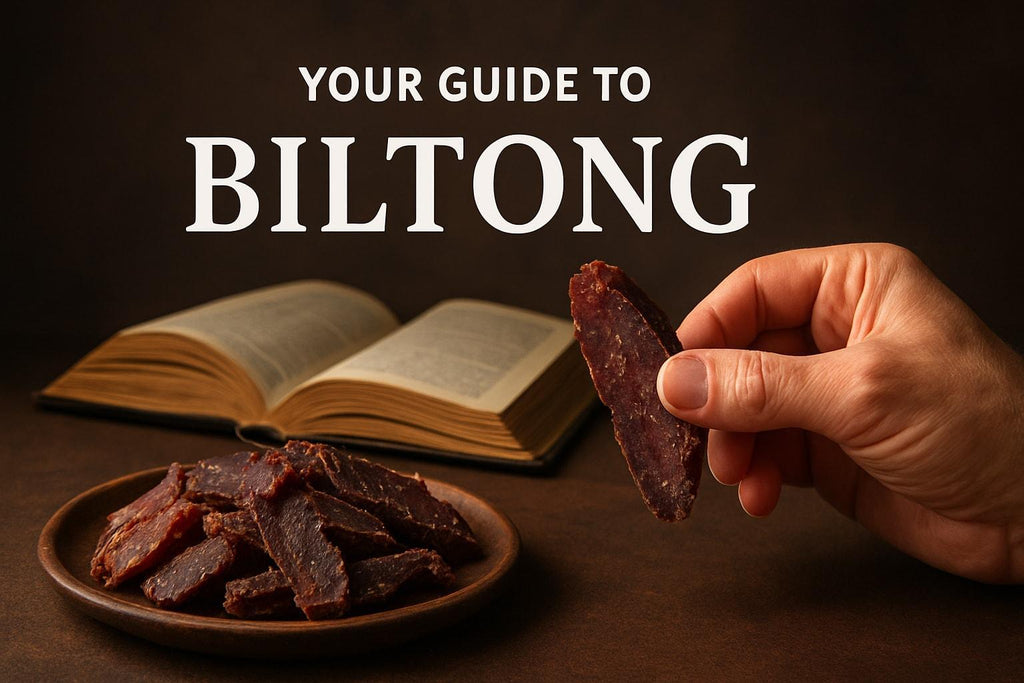
Discover why biltong is more than just a snack; it is a cultural icon of South Africa and a rising favourite for food lovers worldwide. Whether you are a newcomer or a seasoned fan, this guide to biltong sa is your essential handbook for 2026.
Inside, you will find the latest insights, practical tips, and step-by-step advice for buying, making, and enjoying authentic biltong. We will explore its rich origins, diverse types, health benefits, and expert preparation techniques.
Learn where to find the best biltong in New Zealand and Australia, and uncover what sets this traditional delicacy apart. Ready to experience the taste and tradition for yourself? Let’s begin your biltong journey.
The Origins and Cultural Significance of Biltong
Biltong sa is far more than just a dried meat snack. Its story begins in the heart of 17th-century South Africa, where European settlers, indigenous Khoisan, and later Voortrekkers each played a role in shaping its identity. Faced with the challenge of preserving meat without refrigeration, these early communities developed a unique technique—curing meat with vinegar, salt, and spices, then air drying it for lasting nutrition and flavour.
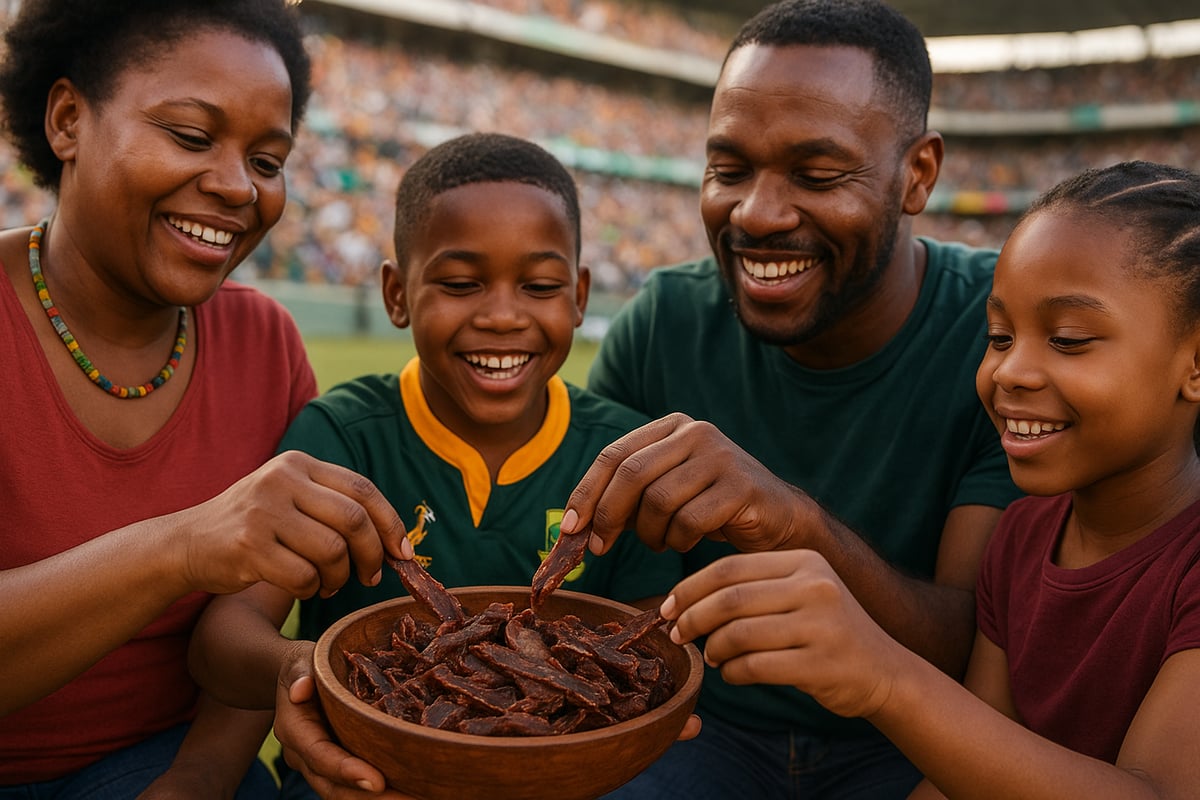
This tradition quickly became embedded in the South African way of life. Biltong sa is not only found in local markets but is also an essential part of social gatherings, from family picnics to national festivals. Many South Africans recall childhood memories of helping parents slice and spice meat, a ritual that continues to connect generations. Biltong sa is present at sporting events, especially rugby matches, where sharing a bag of this savoury treat is as much a tradition as the game itself.
Over time, biltong sa has evolved from a practical survival food into a celebrated gourmet delicacy. As South Africa modernised, so too did biltong sa, with artisanal producers experimenting with spices, cuts, and even exotic meats. Today, biltong sa is as likely to be served in upscale restaurants as it is at a backyard braai, appealing to foodies and athletes alike.
One of the most common questions is how biltong sa differs from jerky. While both are dried meats, their preparation, taste, and texture set them apart. Biltong sa is air dried, typically thicker cut, and seasoned with vinegar and coriander, resulting in a rich, tender bite. Jerky, on the other hand, is usually thinner, smoked, and often sweeter. For a detailed breakdown, see this Biltong vs. Jerky: A 2025 Comparison.
| Feature | Biltong SA | Jerky |
|---|---|---|
| Drying Method | Air dried | Smoked or dehydrated |
| Cut Thickness | Thick slices or slabs | Thin strips |
| Flavour Profile | Savoury, tangy, spiced | Often sweet, smoky |
| Texture | Tender, chewable | Tougher, sometimes leathery |
Regional differences also play a role in the biltong sa experience. The Cape region favours a softer, wetter biltong sa, while the Karoo and Transvaal regions are known for a drier, more robust style. These subtle variations reflect local climates, available ingredients, and family recipes passed down through the generations.
As South Africans have migrated around the world, biltong sa has followed. In countries like New Zealand and Australia, demand for authentic biltong sa has surged, with specialty shops and online retailers catering to both expats and curious locals. The biltong sa community abroad often recreates the tastes of home, making it a symbol of cultural identity and nostalgia.
The global market for biltong sa and similar dried meats is booming. According to recent reports, the dried meat market is projected to grow at a compound annual growth rate of 6.5 percent through 2026. This surge is driven by increasing interest in high-protein, low-sugar snacks. Whether at a family gathering or cheering on the All Blacks, biltong sa is more than a snack—it is a taste of heritage, shared across continents and generations.
Types of Biltong: Flavours, Cuts, and Meat Choices
Biltong sa is celebrated for its remarkable diversity, offering a world of flavours, textures, and culinary experiences. Whether you are new to this traditional South African delicacy or a long-time fan, understanding the different types of biltong sa can help you select the perfect snack for any occasion. From classic beef to adventurous vegan alternatives, the range is broader than ever.
Traditional Beef Biltong
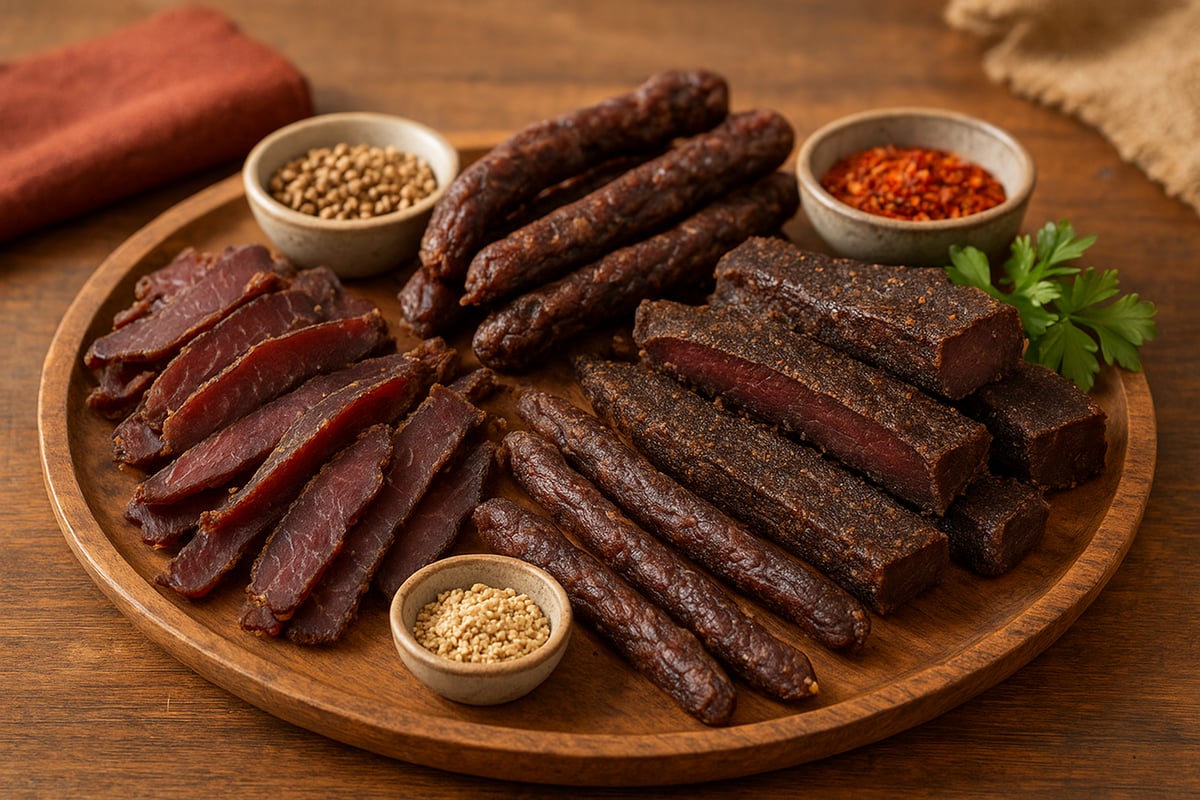
Traditional beef biltong sa remains the gold standard for enthusiasts. Made from premium cuts like silverside or topside, it is seasoned with a blend of coriander, black pepper, salt, and vinegar. The result is a tender, flavourful treat with a distinct aroma and a robust, savoury taste that sets biltong sa apart from ordinary dried meats.
Texture is a key feature, ranging from soft and moist to firm and chewy. These variations cater to individual preferences, making beef biltong sa a versatile option for snacks, salads, or sharing at gatherings.
Game and Exotic Meat Varieties
Beyond beef, biltong sa has evolved to showcase a variety of exotic meats. Ostrich biltong is prized for its rich taste and lower fat content, while kudu and venison offer a gamey depth that appeals to adventurous palates. Each type brings its own unique flavour profile, influenced by the animal’s diet and environment.
These game options are often leaner, providing a different mouthfeel compared to traditional beef. For those seeking novelty, exploring the Authentic South African Biltong Collection reveals a wide selection of meats and styles from biltong sa producers.
Sliced, Stick, and Slab: Understanding the Cuts
The way biltong sa is cut significantly impacts the eating experience. Here is a quick comparison:
| Cut Type | Description | Best For |
|---|---|---|
| Sliced | Thin, bite-sized pieces | Snacking, platters |
| Stick | Long, narrow strips | On-the-go, lunchbox |
| Slab | Thick, uncut portions | Custom slicing, sharing |
Sliced biltong sa is convenient and ready to eat, while sticks offer a chewy, satisfying bite. Slabs allow you to slice to your own preference, ensuring maximum freshness and texture.
Flavours, Fat Content, and Innovation
Flavour innovations in biltong sa have grown rapidly. Classic coriander and pepper remain favourites, but you will also find chilli, garlic, and peri-peri for those who crave heat. Some producers experiment with spice blends, adding a modern twist to tradition.
Fat content is another factor. Lean biltong sa is drier and has a longer shelf life, while fatty biltong is richer and more succulent. Both options have loyal followings, and the choice often comes down to taste preference and intended use.
Wet vs. Dry, Vegetarian, and Vegan Biltong
Moisture level divides biltong sa fans into two camps: wet and dry. Wet biltong is soft and juicy, ideal for those who prefer a tender bite. Dry biltong is firmer and chewier, perfect for longer storage and intense flavour.
Vegetarian and vegan biltong sa options are now available, made from mushrooms or soy. These alternatives mimic the texture and spices of traditional biltong sa, offering plant-based consumers a chance to enjoy this iconic snack.
For expats in New Zealand, beef biltong and droëwors are especially popular. These products bring a taste of home and are often featured at gatherings and celebrations.
Health Benefits and Nutritional Value of Biltong
Biltong sa is celebrated not only for its rich flavour and heritage, but also for its impressive nutritional profile. For anyone seeking a snack that fuels the body and satisfies the taste buds, biltong sa stands out as a smart, wholesome choice.
High Protein Power and Lean Nutrition
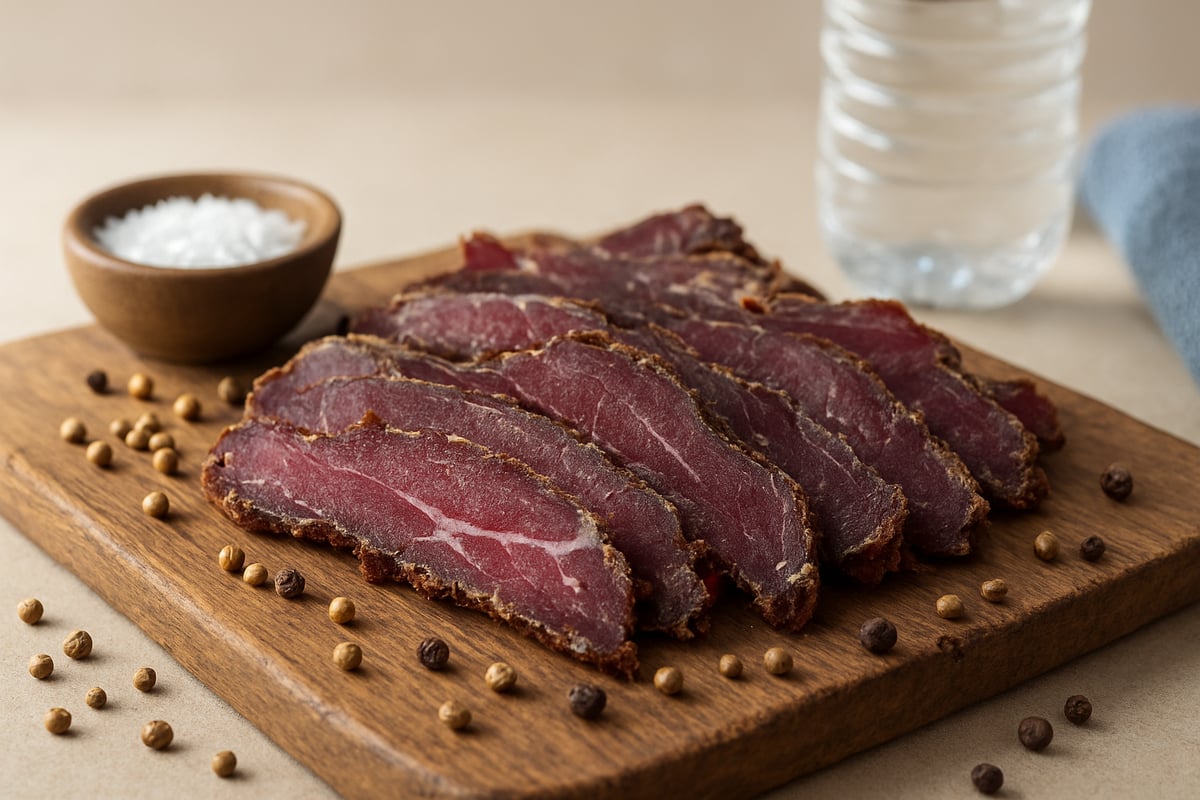
One of the standout health benefits of biltong sa is its exceptionally high protein content. With up to 50 grams of protein per 100-gram serving, it delivers a concentrated source of essential amino acids. This makes biltong sa ideal for athletes, gym enthusiasts, and anyone following a high-protein or low-carb diet.
Protein not only supports muscle growth and repair, but also helps with satiety, making biltong sa a satisfying snack between meals. Unlike many processed snacks, biltong sa is made from quality cuts of meat, ensuring a lean nutritional profile with minimal additives.
Low Sugar, Carbs, and Essential Minerals
A key advantage of biltong sa over other snacks is its low sugar and carbohydrate content. Compared to jerky or chips, biltong sa contains almost no added sugars and just a trace of carbohydrates. This low-carb profile supports ketogenic and diabetic-friendly diets.
Beyond protein, biltong sa is a valuable source of iron, zinc, and vitamin B12. These minerals are vital for energy, immune function, and overall wellbeing. As a result, biltong sa is not only a tasty option, but also contributes to daily micronutrient needs in a convenient form.
Natural Processing and Nutritional Profile
Traditional biltong sa is air-dried rather than heat-processed, preserving both nutrients and natural flavour. Many varieties are free from artificial preservatives, relying on salt, vinegar, and spices for preservation. This natural approach supports those looking for cleaner-label snacking.
Nutritional values for biltong sa are impressive: typically 50g protein, 3g fat, and under 2g carbohydrates per 100g serving. For more detailed figures and health considerations, see Biltong's Nutritional Profile. This makes biltong sa a guilt-free, filling snack that fits into a range of dietary plans.
Health Considerations and Biltong SA for Athletes
While biltong sa is nutrient-dense, it is important to watch sodium intake, as salt is a key ingredient in the curing process. Moderation is recommended, especially for those with specific health concerns.
For athletes, biltong sa is a popular post-workout snack. Rugby and cricket players in New Zealand and Australia often turn to biltong sa for rapid protein replenishment. Its portability and shelf stability make it a favourite on the sidelines and in the gym.
Biltong sa delivers a rare combination of taste, nutrition, and convenience, making it a standout snack for health-conscious consumers.
The Art of Making Biltong: Step-by-Step Guide
Crafting authentic biltong sa at home is both an art and a science. Each stage, from selecting quality meat to perfecting the drying process, offers a chance to personalise your creation. Whether you are a beginner or an experienced enthusiast, following these steps will help you achieve the best results while embracing the tradition of biltong sa.
Step 1: Selecting the Right Meat
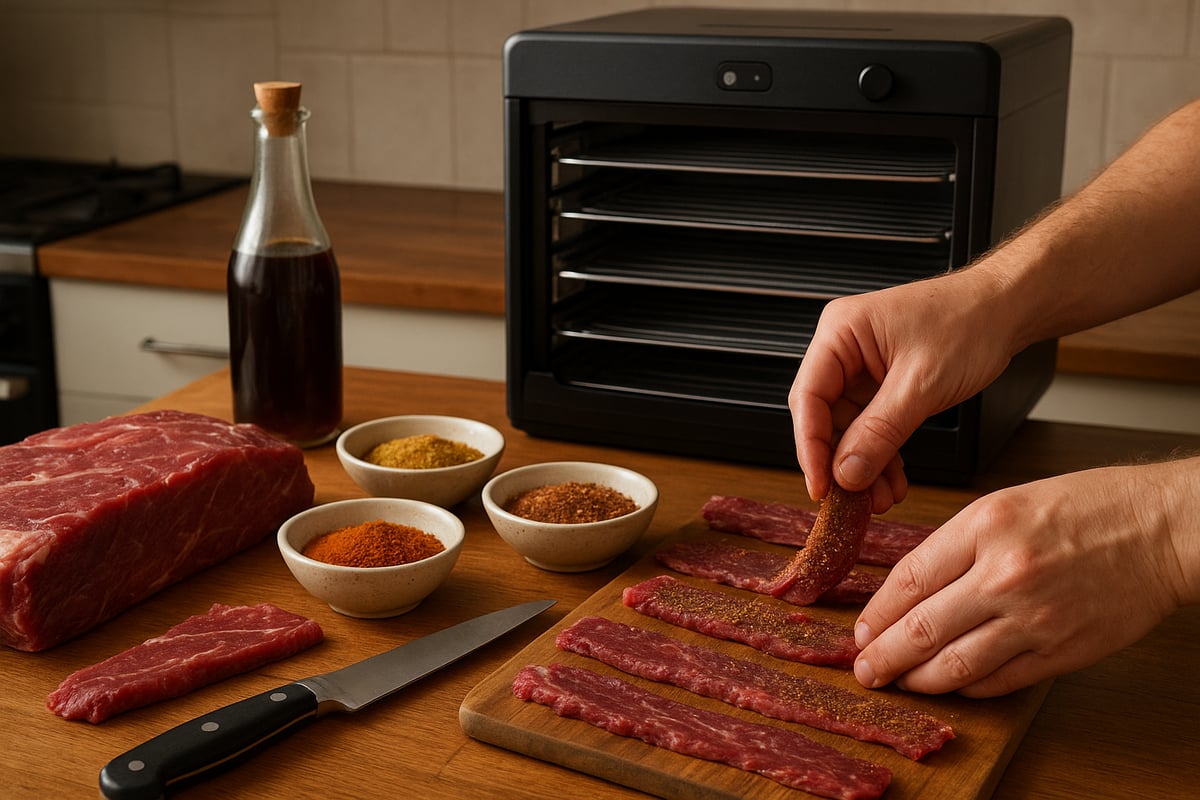
The journey to perfect biltong sa begins with choosing the right cut of meat. For traditional recipes, silverside or topside beef is recommended, thanks to its lean texture and minimal connective tissue. If you prefer a richer flavour, opt for game meats such as venison or ostrich, both of which are widely available in New Zealand and Australia.
Freshness is paramount. Always select meat with a deep red colour and visible marbling, which ensures both tenderness and flavour. Many local butchers in Auckland, Sydney, and Melbourne understand the specific requirements for biltong sa, so do not hesitate to ask for their recommendations. Quality meat is the foundation of a successful batch.
Step 2: Preparing the Marinade and Spices
The signature flavour of biltong sa comes from its unique blend of spices. Classic South African recipes use a mix of coriander seeds, black pepper, coarse salt, and a splash of vinegar. Vinegar acts as both a flavour enhancer and a natural preservative, helping to tenderise the meat.
You can create your own spice blend at home, or explore ready-made options for convenience. For those wanting authentic results, try sourcing traditional biltong spices and marinades from specialist suppliers. Allow the meat to marinate for at least 12 hours in the fridge to ensure deep flavour penetration, turning occasionally to coat every strip evenly.
Step 3: Slicing and Seasoning Techniques
Proper slicing is crucial in the biltong sa process. Always cut the meat with the grain to achieve the signature chewy texture. Aim for strips about 2 cm thick, as this allows for even drying and optimal flavour development.
After slicing, season each piece thoroughly, pressing the spice blend into the surface. Uniform thickness across all strips helps maintain consistency in drying time and texture. For biltong sa, attention to detail at this stage sets apart average results from exceptional ones.
Step 4: Drying Methods (Traditional and Modern)
Drying is the heart of making biltong sa. Traditionally, meat strips are hung in a cool, well-ventilated space, away from direct sunlight and insects. In New Zealand, many enthusiasts use a biltong box or a dedicated dryer to control temperature and humidity.
Modern home appliances, such as Make Your Own Biltong at Home kits, offer a convenient solution with built-in fans and low-heat elements. These tools ensure consistent drying conditions, reducing the risk of spoilage. Always check for proper airflow and clean surfaces to maintain food safety.
Monitor the process daily. Depending on your preference for wet or dry biltong sa, drying may take three to seven days. The result should be firm on the outside, with a slightly tender centre.
Step 5: Storing and Serving Biltong
Once your biltong sa is ready, storage is key to preserving its quality. Use airtight containers or vacuum-sealed bags to keep the product fresh and prevent moisture loss. Store in a cool, dry place away from direct sunlight.
For serving, slice thinly against the grain for a tender bite. Biltong sa can be enjoyed as a standalone snack, added to salads, or used in sandwiches. If making large batches, portion into smaller packs to extend shelf life and maintain flavour. Proper storage ensures your homemade biltong sa remains a delicious treat for weeks.
Biltong Recipes and Creative Uses
Biltong sa is far more than a traditional snack. Its versatility has inspired a wave of creative recipes, transforming everyday meals into unique culinary experiences. Whether you are hosting a party or seeking a nutritious addition to your diet, there are endless ways to enjoy biltong sa in New Zealand and beyond.
Classic Serving Ideas
The simplest way to savour biltong sa is as a ready-to-eat snack. Arrange slices on a platter with cheeses, nuts, and dried fruits for a sophisticated appetiser. This approach is perfect for parties or casual gatherings, offering both flavour and convenience.
For those with busy lifestyles, consider the Ready-to-Eat Biltong Range, which brings authentic taste and texture straight to your table. Biltong sa is also ideal for school lunchboxes or as a high-protein work snack, keeping you energised throughout the day.
Innovative Recipes
Move beyond snacking by incorporating biltong sa into salads, quiches, and omelettes. Sliced biltong adds a savoury depth to classic green salads, especially when paired with feta, cherry tomatoes, and a tangy vinaigrette.
Try a biltong quiche by folding chopped biltong into an egg mixture with spinach and cheese, then baking until golden. Omelettes with biltong, mushrooms, and herbs are a delicious way to start your morning, delivering both protein and flavour.
Biltong in Main Meals
Biltong sa shines as an ingredient in breakfast, lunch, and dinner dishes. In New Zealand cafes, biltong and avocado toast has become a popular trend, combining creamy avocado with the rich, umami notes of biltong.
For lunch, add biltong to wraps or sandwiches with rocket and tomato. At dinner, stir strips of biltong into creamy pasta sauces or use as a protein boost in grain bowls and stir-fries.
Biltong as a Topping
Use biltong sa to elevate your favourite comfort foods. Sprinkle finely sliced biltong over pizzas for a South African twist or add to gourmet burgers for extra texture.
Biltong is equally at home as a topping for baked potatoes, savoury muffins, or even in a creamy risotto, giving familiar dishes a distinctive edge.
Pairing and Family-Friendly Options
Pair biltong sa with South African wines or craft beers to enhance its flavours. Its robust, savoury profile complements both red and white varietals, making it a favourite at tasting events.
For families, create kid-approved snacks by mixing biltong with popcorn or layering into mini sliders. Biltong sa’s portability and nutrition make it suitable for picnics, sports events, and after-school treats.
Tips for Incorporating Biltong into Healthy Meal Plans
To maximise the benefits of biltong sa, focus on portion control and balance. Use lean biltong for lower fat content or combine with fresh vegetables for nutrient-dense meals.
Experiment with new recipes and do not hesitate to substitute biltong for other proteins in your favourite dishes. Its unique taste adds excitement to any meal, supporting both traditional and contemporary eating styles.
Biltong sa’s adaptability ensures it remains a staple in kitchens across New Zealand and Australia. From simple snacks to gourmet creations, the possibilities are as limitless as your imagination.
Buying Biltong in 2026: Trends, Tips, and What to Look For
The world of biltong sa is evolving rapidly, with 2026 promising even more innovation and choice for enthusiasts. Artisanal and premium biltong products are capturing attention, driven by a global appetite for authentic, high-quality snacks. According to the Processed Meat Market in Southern Africa, the dried meat sector, including biltong sa, is projected to keep growing as consumers seek better ingredients and unique flavours.
Online shopping for biltong sa is booming, providing convenience, wider selection, and access to trusted South African brands. In contrast, in-store shopping offers the tactile experience of inspecting freshness and speaking with knowledgeable staff. Many buyers enjoy the ease of ordering subscription boxes or custom biltong sa orders, which are gaining traction across New Zealand and Australia.
When purchasing biltong sa, reading ingredient labels is essential. Look for transparency about preservatives, allergens, and the origin of the meat. More producers are embracing clean-label practices, focusing on natural air-drying and fewer additives. For a deeper dive into food safety and dried meat market trends, review the Ambient Temperature Dried Meat Products Study, which highlights how careful preparation ensures both taste and safety.
Pricing varies, so compare options for value and consider bulk buying for cost savings. Supporting South African-owned businesses not only delivers authentic biltong sa, but also helps maintain traditional recipes and community connections. Sustainability is another key trend, with many suppliers sourcing ethically raised meats and using eco-friendly packaging.
Here are some practical tips for first-time biltong sa buyers:
- Check for reviews and recommendations from the South African community.
- Examine packaging for vacuum seals or resealable bags to ensure freshness.
- Ask about meat sourcing and traditional recipe use.
- Start with small packs before committing to larger orders.
- Explore different flavours and moisture levels to find your preference.
By following these tips and staying informed about trends, you can confidently navigate the world of biltong sa in 2026 and enjoy an authentic taste experience.
Whether you’re reminiscing about the tastes of home or eager to experience one of South Africa’s most beloved traditions for the first time, biltong offers a unique blend of flavour, nutrition, and cultural heritage. Now that you know how to choose, prepare, and enjoy authentic biltong—plus where to find the best quality in New Zealand and Australia—you’re ready to take the next step. Treat yourself to the real deal and savour the difference that tradition and expertise make.
Buy Biltong Today
-
Posted in
Biltong recipes, Biltong SA, Dried meat, Healthy snacks, South African snacks