Biltong Recipe: Traditional South African Method
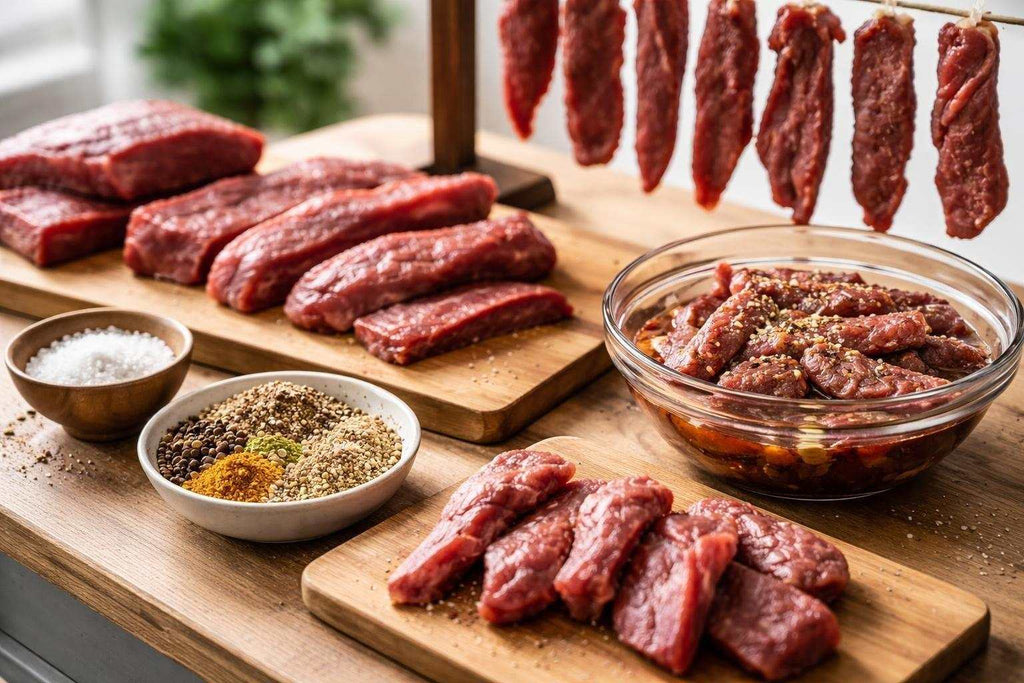
Making your own biltong at home connects you to a centuries-old South African tradition that has sustained travellers, farmers, and families across the African continent. This dried meat delicacy represents more than just a preservation technique-it embodies the ingenuity and resourcefulness of South African food culture. For South Africans living in New Zealand, crafting a traditional biltong recipe brings the familiar tastes of home into your kitchen, creating an authentic connection to heritage and flavour that no imported product can fully replace. Whether you're a seasoned biltong maker or attempting your first batch, understanding the fundamentals will ensure consistent, delicious results every time.
Understanding Traditional Biltong
The history and cultural significance of biltong dates back to indigenous preservation methods refined by Dutch settlers in the seventeenth century. The word "biltong" derives from the Dutch "bil" (rump) and "tong" (strip), reflecting the original cuts used for this delicacy.
Traditional biltong differs significantly from jerky found in most Western countries. While jerky is typically cooked or smoked at higher temperatures, an authentic biltong recipe relies on air-drying at ambient temperatures with vinegar and spices providing preservation and flavour. This slow-drying process creates a tender texture with concentrated beefy flavours that jerky simply cannot achieve.
The essential characteristics of proper biltong include:
- Tender yet firm texture with visible muscle grain
- Deep, savoury flavour enhanced by coriander and black pepper
- Natural preservation without artificial additives
- Variable moisture content based on personal preference
- Rich dark exterior with lighter interior meat
South Africans living abroad often describe biltong as one of the most difficult foods to find in authentic form, which drives many to master their own biltong recipe at home. While Something From Home stocks commercially produced biltong for those seeking convenience, creating your own allows complete control over thickness, dryness, and spice intensity.
Selecting the Right Meat
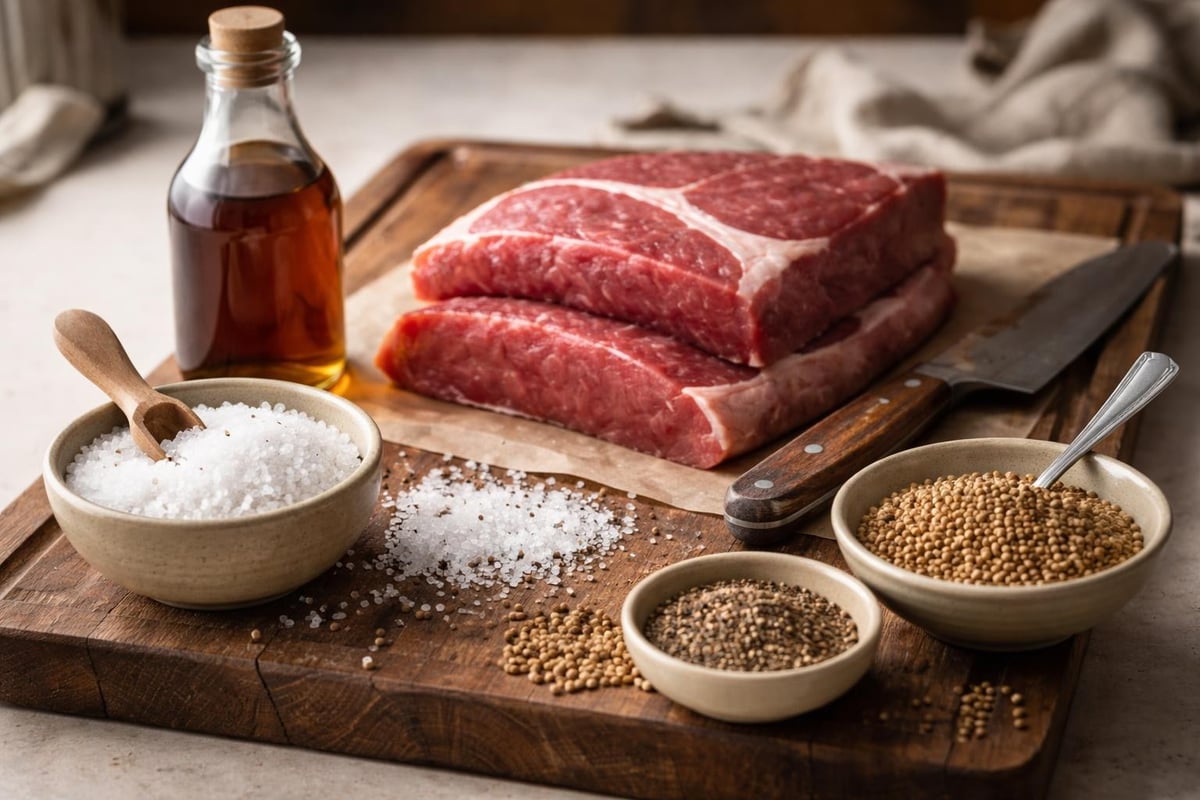
Meat selection forms the foundation of any successful biltong recipe. The cut you choose directly impacts texture, flavour, and drying time.
Best Cuts for Biltong
Silverside remains the traditional favourite among South African biltong makers. This lean beef cut from the hindquarter provides excellent texture and uniform thickness. The minimal fat content ensures even drying whilst retaining tenderness.
Topside offers similar qualities to silverside with slightly less connective tissue. Many home biltong makers find topside marginally easier to work with, particularly when cutting against the grain.
Rump produces richer, more intensely flavoured biltong due to higher fat marbling. However, the increased fat content requires careful monitoring during drying to prevent rancidity.
| Cut | Fat Content | Drying Time | Texture | Best For |
|---|---|---|---|---|
| Silverside | Very low | 4-6 days | Firm, lean | Traditional biltong |
| Topside | Low | 4-5 days | Tender | First-time makers |
| Rump | Medium | 5-7 days | Rich, soft | Flavour enthusiasts |
| Fillet | Very low | 3-4 days | Very tender | Premium biltong |
Request whole muscles from your butcher rather than pre-cut steaks. Whole muscles allow you to control strip thickness and ensure cuts run with the grain rather than across it. New Zealand butchers may not be familiar with biltong requirements, so explaining you need strips approximately 2-3 centimetres thick cut with the grain helps achieve optimal results.
Preparation and Trimming
Remove all external fat and silver skin from your chosen cut. Unlike some cured meats where fat contributes flavour, biltong fat can develop off-flavours during the extended drying period. Trimming also ensures consistent drying throughout each piece.
Cut your trimmed meat into strips following the muscle grain. Cutting with the grain rather than across it creates the characteristic texture that defines proper biltong. Strip thickness determines final texture-thicker pieces (3-4 centimetres) yield softer, moister biltong, whilst thinner strips (1-2 centimetres) dry harder and chewier.
Classic Biltong Recipe
This traditional biltong preparation method produces authentic South African flavour that rivals any commercial product. The measurements below suit approximately 2 kilograms of beef, which yields roughly 800 grams to 1 kilogram of finished biltong depending on desired dryness.
Ingredients
For the meat:
- 2 kg beef silverside or topside
- 200 ml brown vinegar (preferably malt vinegar)
For the spice mix:
- 100 g coarse rock salt
- 60 g coarsely ground coriander seeds
- 30 g coarsely cracked black pepper
- 20 g brown sugar (optional, for subtle sweetness)
- 5 g bicarbonate of soda (aids tenderisation)
Step-by-Step Method
1. Prepare the spice mixture: Toast whole coriander seeds in a dry pan over medium heat until fragrant, approximately two minutes. Allow to cool completely, then grind coarsely using a mortar and pestle or spice grinder. Combine with remaining dry ingredients in a bowl, mixing thoroughly to distribute evenly.
2. Cut and trim the meat: Following the grain, cut your beef into strips 20-30 centimetres long and 2-4 centimetres thick. Remove all visible fat and connective tissue.
3. Apply vinegar: Pour brown vinegar into a shallow dish. Working with one strip at a time, dip each piece completely in vinegar, ensuring all surfaces receive coverage. Some biltong makers prefer brushing vinegar on rather than dipping-both methods work effectively.
4. Apply spice mixture: Immediately after vinegar application, press each meat strip firmly into your spice mixture, coating all surfaces generously. Pat the spices firmly onto the meat to ensure adhesion. Layer spiced strips in a non-reactive container (glass or plastic), covering and refrigerating for 12-24 hours. This marination period allows flavours to penetrate whilst the vinegar and salt begin preservation.
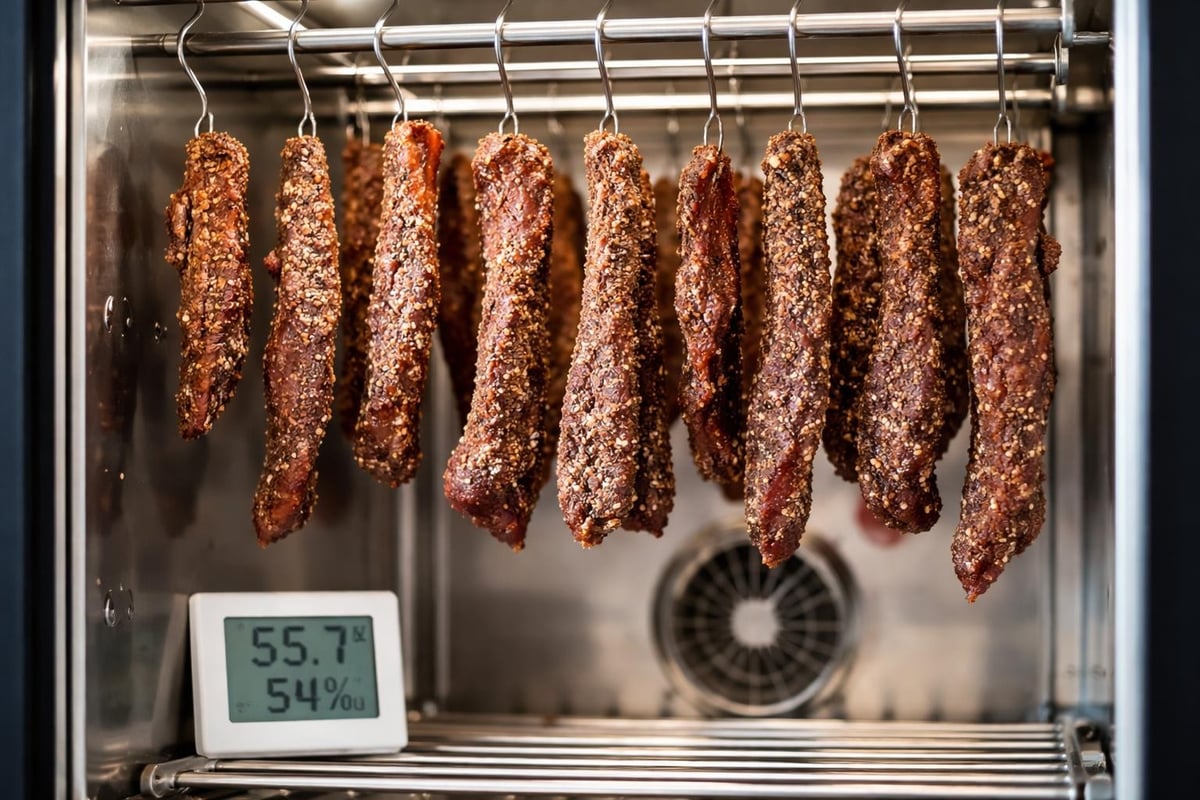
5. Hang and dry: After marination, remove strips from the refrigerator and pat off excess moisture with paper towels. Thread a small hook or bent paperclip through one end of each strip, ensuring hooks don't tear through the meat. Hang strips in your drying environment with adequate spacing between pieces to allow air circulation.
The nutritional benefits and traditional preparation of biltong emphasise the importance of proper air circulation during this critical drying phase.
Creating the Ideal Drying Environment
Successful biltong making depends heavily on controlling your drying environment. South Africa's climate naturally suits biltong production, but New Zealand's higher humidity requires more careful environmental management.
Temperature and Humidity Requirements
Optimal drying occurs between 18-24°C with humidity below 60%. Higher temperatures accelerate drying but risk case-hardening (where exterior dries too quickly, trapping moisture inside). Excessive humidity slows drying and increases spoilage risk.
Options for drying biltong in New Zealand conditions:
-
Purpose-built biltong box: Wooden or cardboard boxes fitted with a low-wattage light bulb (40-60 watts) and ventilation holes create ideal conditions. The bulb provides gentle warmth whilst drawing moisture away from the meat.
-
Modified wine fridge: Some enthusiasts convert wine fridges by adding small computer fans for air circulation. This method offers precise temperature control particularly valuable during humid New Zealand winters.
-
Dehumidified room: Hanging biltong in a spare room with a dehumidifier maintains appropriate conditions without specialised equipment. Ensure adequate air movement with a small fan.
-
Hot water cupboard: Traditional New Zealand hot water cupboards can work if not excessively hot. Monitor temperature carefully and ensure ventilation prevents moisture buildup.
Monitoring the Drying Process
Biltong typically requires 3-7 days drying time depending on strip thickness, environmental conditions, and desired final texture. Check your biltong daily, gently squeezing pieces to assess firmness.
Dryness indicators:
- Wet (1-2 days): Still soft throughout with visible moisture when squeezed
- Medium (3-4 days): Firm exterior with slightly soft centre-ideal for most preferences
- Dry (5-6 days): Firm throughout with minimal give when pressed
- Very dry (7+ days): Hard texture suitable for grating or slicing thinly
Remove pieces as they reach your preferred dryness level rather than waiting for all strips to finish simultaneously. Thicker pieces naturally require longer drying time than thinner strips.
Flavour Variations and Regional Styles
Whilst the classic biltong recipe focuses on coriander and black pepper, numerous regional variations exist throughout South Africa. Experimenting with different spice combinations allows personalisation whilst maintaining authentic character.
Popular Spice Variations
| Style | Key Additions | Flavour Profile | Regional Origin |
|---|---|---|---|
| Cape-style | Extra coriander, less pepper | Aromatic, mildly spiced | Western Cape |
| Karoo-style | Increased salt, minimal sugar | Intensely savoury | Karoo region |
| Chilli biltong | Cayenne or chilli flakes | Spicy, warming | Modern variation |
| Garlic biltong | Granulated garlic, onion powder | Savoury, pungent | Modern variation |
For South Africans missing the specific flavour profiles from home, Something From Home offers ready-mixed biltong spices that replicate traditional recipes without measuring individual components.
Game Meat Biltong
Traditional biltong extends beyond beef to include various game meats. Springbok, kudu, and ostrich all produce excellent biltong with distinctive flavours. Game meats typically contain less fat than beef, resulting in drier finished products that store longer.
Adapting your biltong recipe for game meat requires minimal adjustment-simply reduce drying time slightly due to leaner muscle composition. The lower fat content means game biltong rarely develops the richness of beef varieties but offers unique flavour complexity appreciated by many South Africans.
Storage and Shelf Life
Properly dried and stored biltong remains edible for weeks or even months, though most batches disappear far more quickly once family members discover the supply.
Short-Term Storage
For biltong consumed within two weeks, simple paper bags stored in cool, dry conditions work perfectly. Paper allows continued air circulation whilst protecting from dust and insects. Never store biltong in sealed plastic immediately after drying, as trapped moisture encourages mould growth.
Many South African households traditionally hang biltong in a pantry or cool room, removing pieces as needed. This method works well in drier climates but requires monitoring in humid New Zealand conditions.
Long-Term Storage
For extended storage:
- Allow biltong to dry completely until very firm throughout
- Vacuum-seal in portion-sized packages
- Store sealed packages in refrigerator for up to three months
- Freeze vacuum-sealed biltong for up to twelve months
Frozen biltong maintains quality remarkably well. Thaw slowly in the refrigerator before consuming to preserve texture. Some biltong enthusiasts argue freezing slightly alters texture, but most find the difference negligible compared to the convenience of having authentic South African biltong available year-round.
Common Biltong-Making Challenges
Even experienced biltong makers occasionally encounter issues. Understanding common problems helps troubleshoot batches and improve future results.
White Mould Growth
White powder or fuzzy growth on biltong surface causes concern for many first-time makers. Slight white crystallisation from salt is normal and harmless. However, fuzzy white mould indicates excess humidity or insufficient air circulation.
Solutions include:
- Wiping affected pieces with vinegar-dampened cloth
- Increasing air circulation around hanging meat
- Reducing humidity in drying environment
- Ensuring adequate spacing between pieces
Case Hardening
When exterior dries too rapidly whilst interior remains wet, the hard outer layer traps moisture inside. This creates ideal conditions for bacterial growth and spoilage.
Prevention requires maintaining moderate temperatures (below 24°C) and ensuring gradual, even drying. If case hardening occurs, the affected batch should be discarded rather than risked for consumption.
Excessive Saltiness
Over-salting remains one of the most common complaints about homemade biltong. The detailed recipe variations available online sometimes suggest excessive salt quantities for modern preferences.
Reduce salt in your spice mixture by 20-30% if previous batches tasted too salty. Remember that drying concentrates all flavours, including salt, so what seems appropriately seasoned when wet becomes more intense when dried.
Serving and Enjoying Biltong
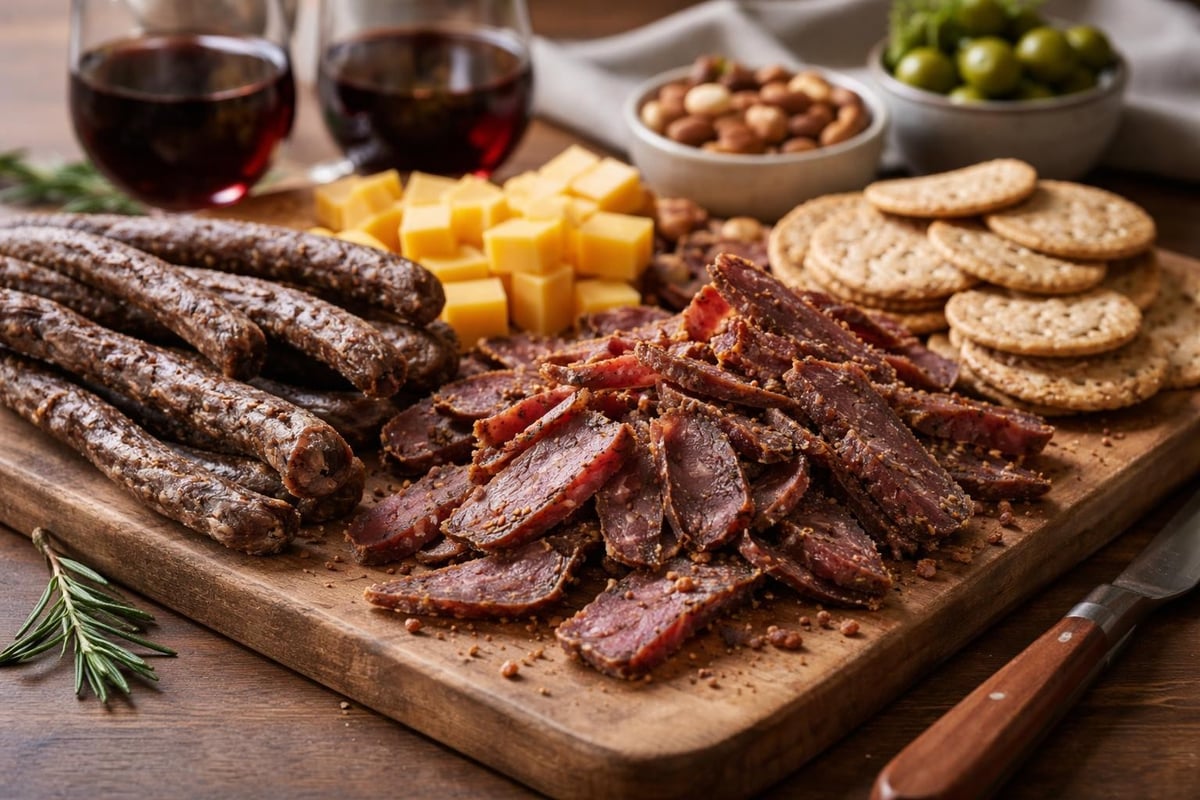
Biltong transcends simple snacking to feature in various culinary applications beloved throughout South African food culture. Traditional consumption involves slicing thin shavings directly from whole pieces, creating tender ribbons perfect for casual eating.
Traditional Serving Methods
Hand-sliced biltong retains maximum flavour and texture. Using a sharp knife, cut thin slices at a slight angle against the grain. These delicate shavings practically melt on the tongue whilst releasing concentrated beefy flavours.
Popular serving suggestions:
- On crackers with cream cheese or cheddar
- Chopped into salads for protein boost
- As pizza topping (add after baking)
- Blended into cream cheese for savoury spread
- Alongside beer or wine for entertaining
Many South African expats in New Zealand describe biltong as the perfect accompaniment to rugby matches, barbecues, and social gatherings. The protein-rich snack satisfies without heaviness whilst triggering nostalgic memories of home.
Biltong in Cooking
Beyond snacking, biltong enhances numerous dishes. Finely chopped or grated biltong adds umami depth to:
- Pasta sauces and carbonara variations
- Potato bakes and gratins
- Breakfast scrambles and omelettes
- Homemade bread and savoury muffins
- Traditional South African dishes like potjiekos
The intense flavour means a little biltong goes far in cooking applications. Start with small quantities and adjust to taste preferences.
Sourcing Ingredients in New Zealand
Creating an authentic biltong recipe in New Zealand requires sourcing both common and specialised ingredients. Most components are readily available, though traditional South African products occasionally prove challenging to locate.
Essential Ingredients
New Zealand butchers stock excellent quality beef suitable for biltong. Local grass-fed beef often produces superior flavour compared to grain-fed alternatives. Explain your requirements clearly-many Kiwi butchers are unfamiliar with biltong but happy to prepare appropriate cuts when given specifications.
Brown malt vinegar appears in most New Zealand supermarkets, though the specific brands differ from South African varieties. Any quality brown vinegar works effectively, as the vinegar primarily serves preservation functions rather than contributing dominant flavour.
Rock salt and whole black peppercorns are universally available. Whole coriander seeds require slightly more searching but feature in most supermarkets' spice sections or bulk bins.
Specialised South African Ingredients
For authentic flavour matching childhood memories, specialised ingredients make noticeable differences. Something From Home provides access to genuine South African spice blends, vinegars, and other components that help recreate traditional recipes exactly as remembered.
The convenience of pre-mixed biltong spices cannot be overstated for busy South Africans juggling work, family, and the challenges of maintaining cultural connections whilst living abroad. These ready-to-use mixtures eliminate guesswork whilst ensuring consistent results batch after batch.
Health and Safety Considerations
Meat preservation through drying represents one of humanity's oldest food technologies, but modern food safety awareness requires acknowledging potential risks and implementing appropriate precautions.
Food Safety Best Practices
Critical safety measures include:
- Start with fresh, quality meat: Purchase from reputable butchers and refrigerate immediately
- Maintain cleanliness: Sanitise all surfaces, utensils, and hanging equipment before use
- Monitor drying conditions: Ensure adequate air circulation and appropriate temperature throughout the process
- Inspect regularly: Check for off-odours, discolouration, or mould growth daily
- Trust your senses: Discard any batch that smells wrong or appears questionable
The combination of vinegar, salt, and drying creates an environment hostile to most harmful bacteria. However, maintaining vigilance throughout the process ensures safe, delicious results every time.
Nutritional Benefits
Beyond cultural significance and delicious flavour, biltong offers impressive nutritional benefits. This high-protein, low-carbohydrate snack suits various dietary approaches including ketogenic, paleo, and low-carb lifestyles.
A 30-gram serving of traditional biltong provides approximately 15-18 grams of protein with minimal fat (depending on cut selection) and virtually zero carbohydrates. The natural preparation without added sugars or preservatives makes biltong a clean protein source appreciated by health-conscious consumers.
Building Your Biltong-Making Setup
Investing in proper equipment transforms occasional biltong making into a sustainable hobby that supplies your household with authentic South African snacks year-round.
Basic Equipment Needs
Minimum requirements:
- Sharp filleting or boning knife
- Non-reactive mixing bowls (glass or stainless steel)
- Hooks or paperclips for hanging
- Drying space with ventilation
Recommended additions:
- Dedicated biltong box or drying cabinet
- Meat slicer for consistent strip thickness
- Digital thermometer and hygrometer
- Vacuum sealer for storage
Many South African immigrants in New Zealand start with minimal equipment, graduating to more sophisticated setups as their confidence and enthusiasm grows. The initial investment remains modest, particularly compared to purchasing commercial biltong regularly.
Cost Comparison
Making your own biltong recipe at home provides significant cost savings compared to purchasing ready-made products. Two kilograms of quality beef costs approximately NZD 30-40 in New Zealand, yielding 800 grams to 1 kilogram of finished biltong depending on drying preference.
Commercial biltong in New Zealand typically retails for NZD 80-120 per kilogram when available, making homemade biltong roughly one-third the cost of purchased equivalents. Beyond financial savings, homemade biltong allows complete control over thickness, dryness, spice intensity, and meat quality.
Connecting with South African Food Culture
For South Africans living in New Zealand, food represents far more than sustenance. Traditional dishes and snacks create tangible connections to heritage, family memories, and cultural identity that distance cannot diminish.
Mastering a biltong recipe provides opportunities to share South African culture with Kiwi friends, colleagues, and neighbours. The unique flavour profile and interesting preparation method spark conversations and cultural exchange that enrich the immigrant experience.
Many South African families in New Zealand establish traditions around biltong making, involving children in the process and passing down techniques across generations. These activities maintain cultural continuity whilst adapting to new circumstances and environments.
Community and Sharing
The South African expatriate community in New Zealand remains vibrant and connected, often gathering around shared food experiences. Biltong features prominently at these gatherings, alongside other traditional favourites like boerewors, melktert, and koeksisters.
Sharing your homemade biltong builds connections within the South African community whilst introducing Kiwi friends to authentic African flavours. Most New Zealanders who try quality biltong become instant converts, appreciating the tender texture and complex flavours that distinguish it from typical jerky products.
Mastering a traditional biltong recipe connects South African expats to their heritage whilst providing delicious, nutritious snacks for the whole family. Whether you make your own or prefer the convenience of ready-made products, maintaining these food traditions enriches life abroad. For those times when you need authentic South African ingredients, spice mixes, or simply crave the convenience of professionally made biltong, Something From Home offers more than 2,500 South African products delivered throughout New Zealand, keeping the tastes of home within easy reach.