Biltong Maker: The Essential Guide for South Africans
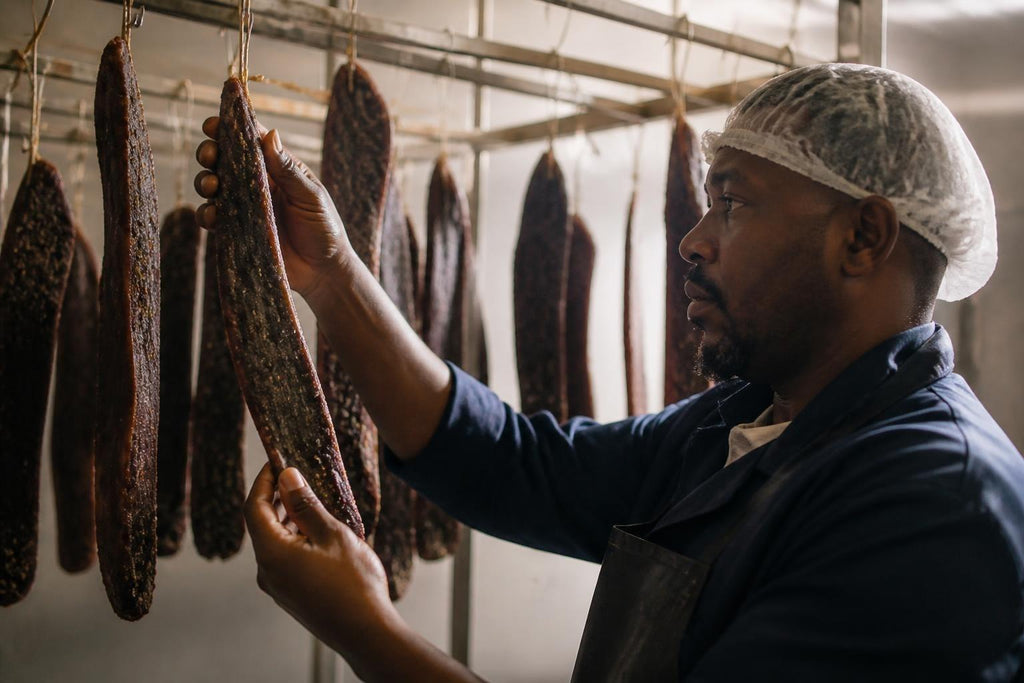
For South Africans living in New Zealand, few foods evoke the same nostalgia as perfectly dried biltong. This beloved protein snack represents more than just sustenance; it embodies memories of home, family gatherings, and the distinctive culinary heritage of South Africa. While you can purchase ready-made biltong from Something From Home, many expats choose to invest in a biltong maker to recreate this traditional delicacy in their own kitchens. Understanding how these specialised appliances work, the different types available, and the techniques for producing authentic biltong can help you maintain that essential connection to South African food culture.
Understanding the Biltong Maker and Its Purpose
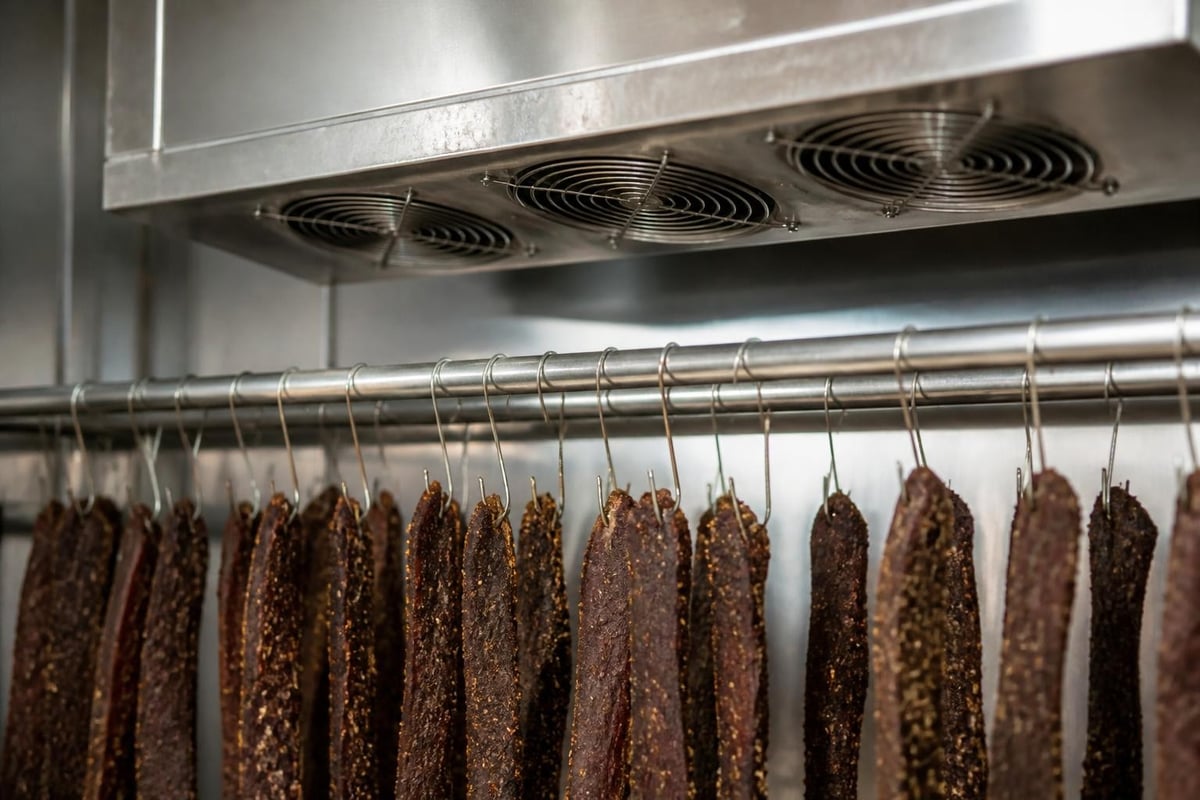
A biltong maker is a specialised device designed to create the optimal environment for drying and curing meat according to traditional South African methods. These appliances control critical factors such as airflow, temperature, and humidity to transform seasoned raw meat into the distinctive dried product that South Africans know and love.
The fundamental principle behind any biltong maker involves circulating air around hanging meat strips at a controlled temperature. This process removes moisture gradually whilst allowing the spices and vinegar used in preparation to cure the meat properly. Unlike jerky, which relies on heat and smoking, biltong develops its characteristic flavour through air-drying at relatively cool temperatures.
Key Components of Effective Biltong Makers
Most biltong makers share several essential features that enable successful meat curing:
- Ventilation system: Typically includes a fan at the base to promote consistent airflow
- Hanging mechanism: Hooks or rods from which meat strips suspend vertically
- Temperature control: Either passive (relying on ambient temperature) or active (using a heating element)
- Humidity management: Vents or adjustable openings to regulate moisture levels
- Enclosed chamber: Protects meat from contaminants whilst allowing controlled air circulation
The quality of these components directly impacts the final product's texture, flavour, and safety. Professional-grade units often feature more sophisticated controls, whilst budget-friendly options rely on simpler passive systems.
Types of Biltong Makers Available in New Zealand
South Africans in New Zealand have several options when selecting equipment for home biltong production. Each type offers distinct advantages depending on space constraints, budget, and production volume requirements.
| Biltong Maker Type | Capacity | Price Range | Best For |
|---|---|---|---|
| Commercial Units | 10-20kg | $400-$1,200 | Large families, frequent production |
| Standard Home Models | 3-8kg | $150-$400 | Regular household use |
| Compact Designs | 1-3kg | $80-$180 | Small spaces, occasional batches |
| DIY Builds | Variable | $30-$100 | Budget-conscious, custom solutions |
Commercial-grade biltong makers typically feature stainless steel construction, precise temperature controls, and larger chambers capable of processing significant meat quantities. These units prove worthwhile for families who consume biltong regularly or South Africans who share their creations with the broader expat community.
Home-Scale Biltong Makers
Standard home models represent the most popular choice among New Zealand's South African community. These units balance affordability with functionality, offering sufficient capacity for typical household consumption whilst maintaining manageable dimensions. Biltong makers designed for home use often feature modular designs that allow users to adjust capacity based on current needs.
The typical home biltong maker accommodates between three and eight kilograms of meat, producing enough biltong to satisfy a family's cravings for several weeks. These units generally measure between 40 and 60 centimetres in height, fitting comfortably in garages, laundries, or dedicated pantry spaces.
DIY Biltong Maker Solutions
Resourceful South Africans often construct their own biltong makers using readily available materials. Building a simple biltong maker requires basic carpentry skills and components like cardboard boxes, computer fans, and light bulbs for gentle heating.
Whilst DIY solutions lack the polish of commercial units, they function effectively for those on tight budgets or enjoying hands-on projects. Many expats in New Zealand have successfully created functional biltong makers using recycled materials, proving that authentic results don't necessarily require expensive equipment.
Essential Features to Consider When Choosing a Biltong Maker
Selecting the right biltong maker involves evaluating several critical factors that influence both the production process and final product quality. Your choice should align with available space, production volume requirements, and desired level of control over the drying process.
Airflow efficiency stands as perhaps the most crucial consideration. Inadequate air circulation leads to uneven drying, potential spoilage, and inconsistent texture. Quality biltong makers incorporate fans that create gentle, continuous airflow around all meat surfaces without causing excessive moisture loss.
Temperature regulation capabilities vary significantly between models. Some biltong makers rely entirely on ambient temperature, which works well in New Zealand's moderate climate but may produce inconsistent results during winter months. Others include heating elements that maintain optimal drying temperatures regardless of external conditions.
Capacity Planning for Your Household
Consider your household's biltong consumption when evaluating capacity requirements. A family of four consuming biltong regularly might process five to eight kilograms monthly. Remember that fresh meat loses approximately 50% of its weight during drying, so five kilograms of raw beef yields roughly 2.5 kilograms of finished biltong.
South Africans living in New Zealand often purchase meat in bulk from local butchers or supermarkets, making larger-capacity biltong makers more economical over time. Processing bigger batches less frequently proves more efficient than constant small-scale production.
The Science Behind Biltong Making
Understanding the biological and chemical processes occurring inside a biltong maker helps optimise results and troubleshoot common issues. The transformation from raw meat to preserved biltong involves controlled dehydration, protein breakdown, and flavour development through enzymatic action.
When properly seasoned meat enters the biltong maker, several simultaneous processes begin:
- Initial moisture extraction: Surface water evaporates rapidly during the first 24 hours
- Acid penetration: Vinegar used in preparation continues penetrating muscle fibres
- Enzymatic curing: Natural enzymes break down proteins, developing characteristic flavour
- Controlled dehydration: Gradual moisture removal prevents bacterial growth
- Flavour concentration: Spices intensify as water content decreases
The nutritional profile of biltong makes it particularly appealing as a high-protein, low-carbohydrate snack. This nutritional density develops through the concentration of nutrients as moisture evaporates.
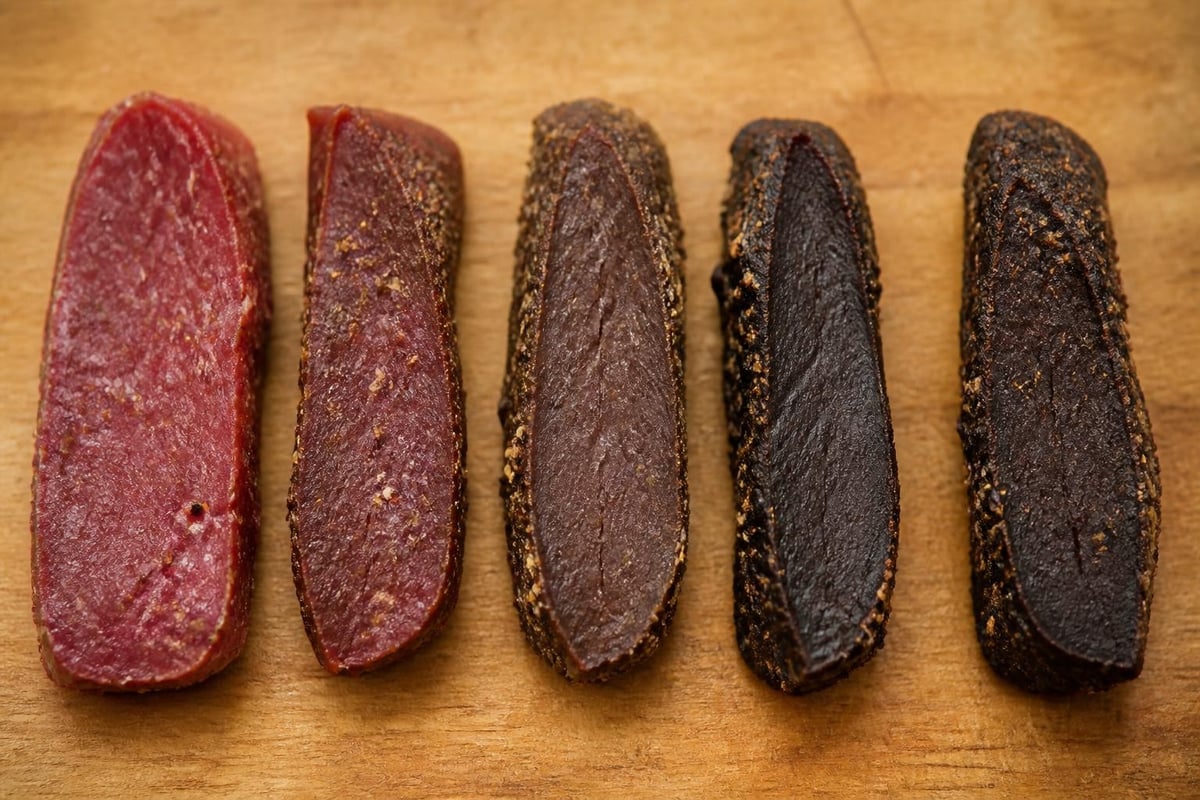
Optimal Conditions for Biltong Production
Successful biltong making requires maintaining specific environmental parameters throughout the drying period. Temperature should remain between 18 and 25 degrees Celsius, with relative humidity below 60%. These conditions inhibit bacterial growth whilst allowing beneficial enzymatic processes to continue.
New Zealand's climate generally supports excellent biltong production, particularly during autumn and spring when temperatures naturally fall within the ideal range. Summer production may require climate-controlled spaces, whilst winter batches might benefit from gentle heating to maintain optimal drying temperatures.
Preparing Meat for Your Biltong Maker
The quality of your finished biltong depends heavily on proper meat selection and preparation before it enters the biltong maker. South African tradition favours specific cuts and preparation methods that maximise flavour whilst ensuring food safety.
Topside, silverside, and rump represent the premium cuts for biltong production. These lean cuts contain minimal fat, which can turn rancid during the drying process. New Zealand beef offers excellent quality for biltong making, with grass-fed cattle producing meat with slightly different flavour profiles compared to South African beef.
Traditional Biltong Spice Blends
Authentic biltong flavour depends on proper seasoning with traditional South African spice blends. Freddy Hirsch biltong spice, available from South African food stores in New Zealand, provides the classic combination of coriander, black pepper, and salt that defines traditional biltong.
The preparation process involves:
- Cutting meat with the grain into strips 2-3 centimetres thick
- Brushing or spraying with brown vinegar
- Coating generously with biltong spice mixture
- Allowing seasoned meat to rest for several hours before hanging
- Patting dry with paper towels before placement in the biltong maker
Some South Africans add their personal touches, incorporating chilli for heat or adjusting coriander levels to suit family preferences. These variations maintain authenticity whilst creating unique flavour profiles.
Operating Your Biltong Maker Effectively
Once your biltong maker contains properly prepared meat, successful operation requires attention to timing, positioning, and environmental monitoring. Different biltong makers operate with varying protocols, but fundamental principles remain consistent across models.
Meat placement within the chamber significantly impacts drying uniformity. Strips should hang with adequate spacing between them, allowing air to circulate freely around all surfaces. Overcrowding leads to uneven drying and potential spoilage in poorly ventilated areas.
Monitoring the Drying Process
| Time Period | Expected Changes | Actions Required |
|---|---|---|
| Hours 0-24 | Surface moisture evaporation, slight firming | Check airflow, ensure even spacing |
| Days 2-3 | Exterior crust formation, 30-40% moisture loss | Rotate positions if needed, assess progress |
| Days 4-5 | Interior drying, texture firming | Begin testing for desired dryness |
| Day 6+ | Final drying, flavour maturation | Remove pieces as they reach preferred texture |
Different household members often prefer varying dryness levels. The beauty of operating your own biltong maker lies in customising each batch to family preferences, removing some pieces earlier for those who enjoy softer biltong whilst allowing others to dry completely.
Understanding biltong maker applications helps optimise production schedules and capacity planning. Many South African families in New Zealand run their biltong makers continuously, starting new batches as previous ones finish.
Maintaining Food Safety Standards
Operating a biltong maker involves responsibility for food safety, particularly when working with raw meat. Proper hygiene practices, temperature control, and moisture management prevent bacterial growth and ensure safe consumption.
Cleanliness represents the first line of defence against contamination. Thoroughly clean all surfaces, hooks, and interior chambers between batches using food-safe sanitisers. Remove any residual fat or meat particles that could harbour bacteria.
The acid from vinegar and salt from spice mixtures create an inhospitable environment for most harmful bacteria. However, these traditional preservation methods work effectively only when combined with proper drying conditions maintained by a well-functioning biltong maker.
Common Safety Considerations
South Africans making biltong in New Zealand should remain mindful of several safety factors:
- Source meat from reputable suppliers with proper food safety certifications
- Maintain biltong maker cleanliness between batches
- Monitor internal temperatures if your unit includes heating elements
- Discard any pieces showing signs of spoilage or unusual odours
- Store finished biltong in breathable containers to prevent moisture accumulation
New Zealand's food safety standards align well with requirements for safe biltong production. Local health regulations permit home biltong making for personal consumption, though commercial sale requires appropriate licensing.
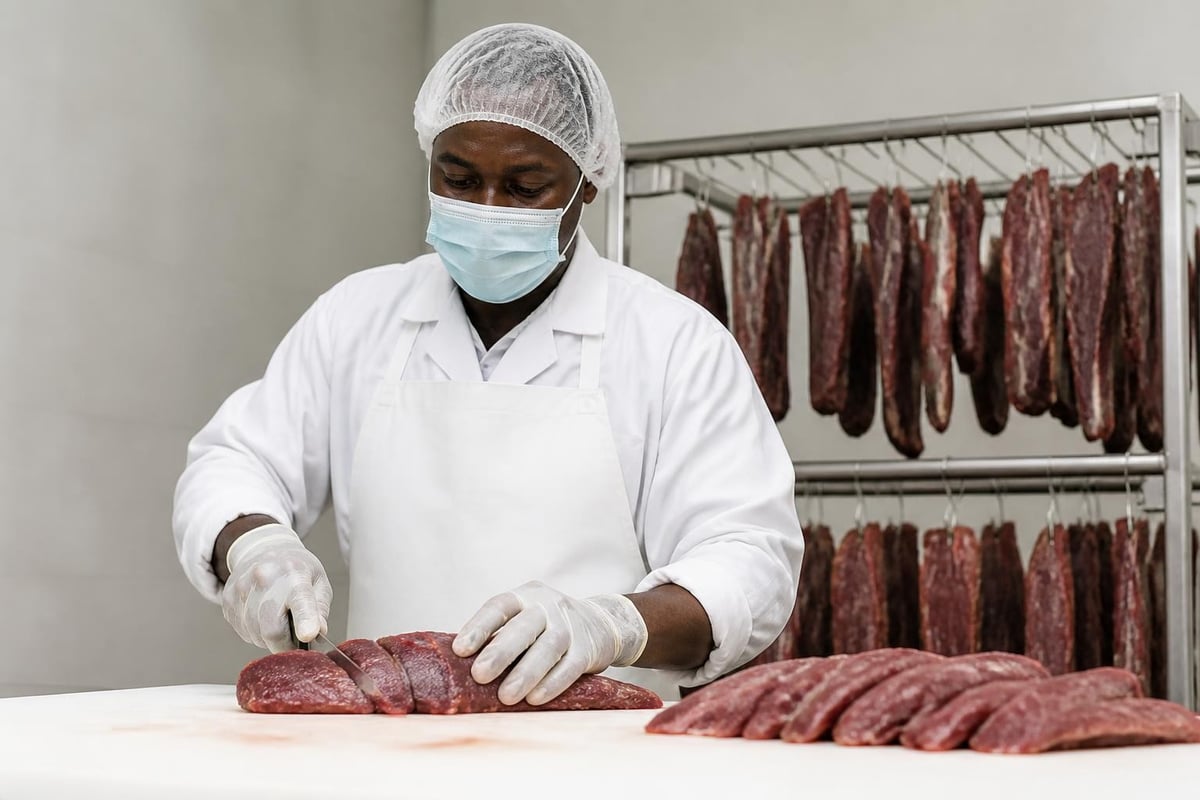
Cost Considerations and Long-Term Value
Investing in a biltong maker represents a significant decision for South African households in New Zealand. Evaluating the financial implications requires comparing purchase costs against the price of commercially produced biltong and factoring in ongoing production expenses.
Quality biltong purchased from a South African food store typically costs between $80 and $120 per kilogram. A family consuming two kilograms monthly spends approximately $2,000 annually on this beloved snack. A mid-range biltong maker costing $250 could pay for itself within two to three months through home production.
Calculating Production Costs
Home biltong production involves several ongoing expenses:
- Raw meat: $15-$25 per kilogram depending on cut quality
- Spice mixtures: $20-$35 per kilogram, sufficient for multiple batches
- Vinegar: Minimal cost, approximately $5 per litre
- Electricity: Negligible for most models, roughly $0.50 per batch
These costs total approximately $35-$60 per kilogram of finished biltong, representing substantial savings compared to retail prices. Additionally, home production allows experimentation with different cuts, spice blends, and dryness levels impossible with commercial products.
Enhancing Your Biltong Making Skills
Mastering biltong production through your biltong maker involves developing intuition about moisture levels, understanding how different meat cuts behave during drying, and refining spice applications to achieve preferred flavour profiles. Even experienced South African biltong makers continue learning and adapting their techniques.
Consistency develops through careful observation and record-keeping. Note environmental conditions, drying times, and spice quantities for each batch. These records help identify optimal combinations for your specific biltong maker and local climate conditions.
Many South Africans in New Zealand join online communities or local groups where expats share biltong making experiences, troubleshoot challenges, and exchange recipes. These connections provide valuable support whilst fostering community amongst those missing home.
Experimenting With Variations
Traditional biltong forms the foundation, but creative variations add excitement to home production. Consider these adaptations:
- Game meats like venison or emu for distinctive flavours
- Chilli biltong for heat enthusiasts
- Garlic-infused variations for additional complexity
- Pepper-crusted exterior for texture contrast
- Wet versus dry curing methods
Resources about making biltong at home provide inspiration for these variations whilst maintaining the fundamental techniques that define authentic South African biltong.
Connecting With South African Food Culture in New Zealand
Operating a biltong maker extends beyond simple food production; it represents maintaining cultural connections and sharing South African heritage with family members born in New Zealand. The distinctive aroma of drying biltong evokes powerful memories and creates talking points about South African traditions.
Many South African parents in New Zealand use biltong making as an educational opportunity, teaching children about their heritage whilst developing practical food preparation skills. Young Kiwis with South African roots often develop appreciation for biltong through involvement in the production process.
The broader South African community in New Zealand frequently exchanges biltong at gatherings, with each family's unique preparation methods sparking friendly competition and conversation. These interactions strengthen community bonds whilst preserving culinary traditions far from home.
Supporting South African Food Traditions
Whilst a biltong maker enables home production, South African shops in New Zealand play crucial roles in supporting these traditions by providing essential ingredients and ready-made products. Accessing authentic spice blends, proper cuts of meat, and other South African groceries ensures your homemade biltong maintains traditional flavours.
Something From Home, a comprehensive South African food store operating in New Zealand, stocks more than 2,500 South African products including biltong spices, Mrs Balls chutney for serving alongside biltong, and various other essentials that complement your biltong making endeavours.
Troubleshooting Common Biltong Maker Issues
Even experienced operators occasionally encounter challenges with their biltong makers. Understanding common problems and their solutions helps maintain consistent production quality and prevents batch failures.
Uneven drying represents the most frequent complaint. This issue typically stems from inadequate air circulation, overcrowding, or positioning pieces too close to chamber walls. Rearranging meat strips midway through drying and ensuring adequate spacing resolves most uniformity problems.
White mould formation on biltong surfaces alarmed many first-time makers but generally indicates harmless penicillium species similar to those on aged cheeses. Simply wipe affected surfaces with vinegar-dampened cloth and continue drying. Green or black mould requires immediate batch disposal and thorough equipment cleaning.
Addressing Texture and Flavour Concerns
Some batches emerge too dry, creating excessively hard biltong that's difficult to slice or chew. This problem usually results from extended drying times or low humidity conditions. Monitor your batches closely, testing pieces regularly after day three to catch optimal dryness levels.
Conversely, insufficiently dried biltong risks spoilage during storage. Pieces should feel firm throughout with no soft spots indicating retained moisture. When uncertain, err toward additional drying time, particularly in New Zealand's humid coastal regions.
Bland flavour typically indicates inadequate spice application during preparation rather than biltong maker malfunction. Ensure generous coating with spice mixture, pressing it firmly into meat surfaces before hanging.
Advanced Techniques for Enthusiasts
Experienced biltong makers often experiment with advanced techniques that push beyond traditional methods whilst respecting fundamental principles. These approaches require solid understanding of basic biltong making before attempting more complex variations.
Cold smoking biltong during the final drying stages adds subtle wood flavours without cooking the meat. This technique requires additional equipment but creates distinctive products impossible to replicate through standard drying alone. Manuka wood, readily available in New Zealand, imparts unique flavours that blend South African tradition with local resources.
Some enthusiasts modify their biltong makers with humidity sensors, programmable timers, and remote monitoring capabilities. These technological enhancements provide precise control over environmental conditions, particularly valuable for commercial-scale production or experimental batches.
Seasonal Adaptation Strategies
New Zealand's seasonal variations influence biltong production throughout the year. Summer's warmth accelerates drying but increases spoilage risks if temperatures exceed optimal ranges. Winter production may require supplementary heating to maintain adequate drying rates.
Adapting your biltong maker operation to seasonal conditions involves:
- Summer: Position equipment in cooler spaces, increase ventilation, reduce batch sizes
- Autumn/Spring: Optimal natural conditions, standard operating procedures
- Winter: Add gentle heating sources, extend drying times, monitor moisture levels closely
These adjustments ensure consistent quality regardless of external weather patterns, allowing year-round biltong production that maintains South African standards.
Storage and Preservation After Drying
Proper storage extends biltong shelf life and maintains optimal texture and flavour. Once your biltong maker produces perfectly dried meat, correct handling ensures maximum enjoyment over subsequent weeks or months.
Breathable containers preserve biltong better than sealed plastic bags. Paper bags, cloth pouches, or containers with ventilation holes allow residual moisture to escape whilst protecting against contaminants. Many South Africans use traditional brown paper bags, though purpose-designed biltong storage containers offer improved convenience.
Room temperature storage suits biltong consumed within two to three weeks. Refrigeration extends shelf life to several months whilst maintaining quality. Some families vacuum-seal portions for long-term freezer storage, preserving batches for up to a year.
Making biltong at home using a dedicated biltong maker allows South Africans in New Zealand to maintain connections with their culinary heritage whilst enjoying significant cost savings compared to purchasing ready-made products. Whether you invest in commercial equipment or construct a DIY solution, the satisfaction of producing authentic biltong in your own home proves invaluable. For those times when you'd rather buy than make, or need those essential South African spices and ingredients for your next batch, visit Something From Home for New Zealand's most comprehensive selection of South African products delivered right to your door.