Best South African Dishes: A Culinary Journey
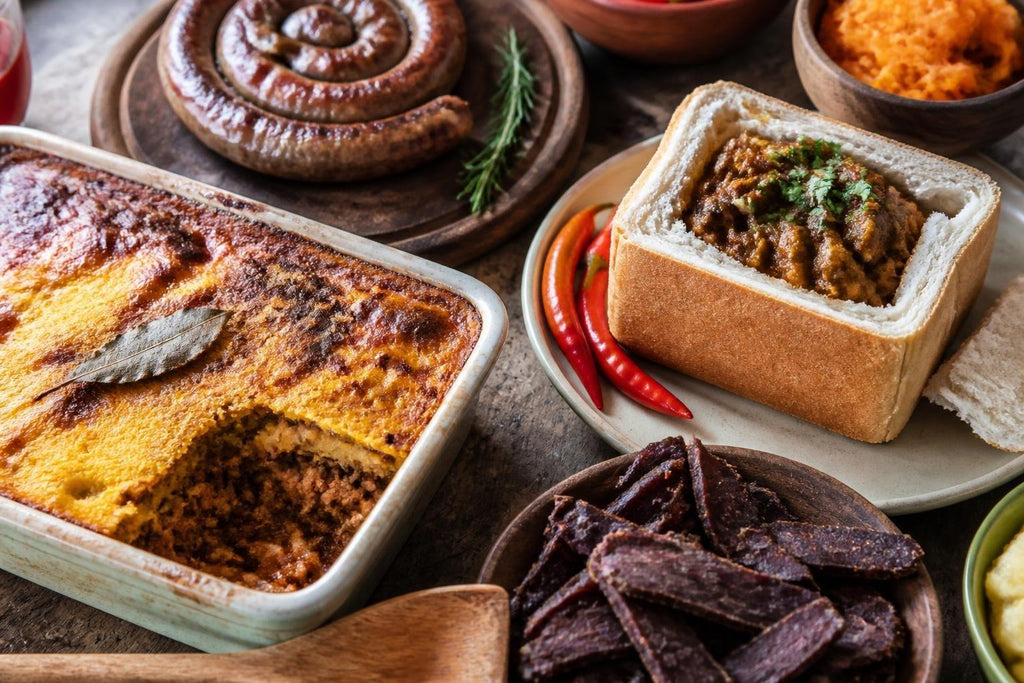
South African cuisine represents one of the world's most diverse and flavourful culinary traditions, shaped by centuries of cultural exchange between indigenous communities, Dutch settlers, Malay slaves, British colonisers, and Indian immigrants. For South Africans living in New Zealand, these dishes evoke powerful memories of home, family gatherings, and weekend braais. The best South African dishes combine bold spices, hearty ingredients, and cooking techniques that have been passed down through generations, creating flavours that are impossible to replicate anywhere else. Whether you're a South African expat seeking a taste of home or a food enthusiast eager to explore new cuisines, understanding these traditional dishes opens a window into the Rainbow Nation's rich cultural tapestry.
The Crown Jewel: Bobotie
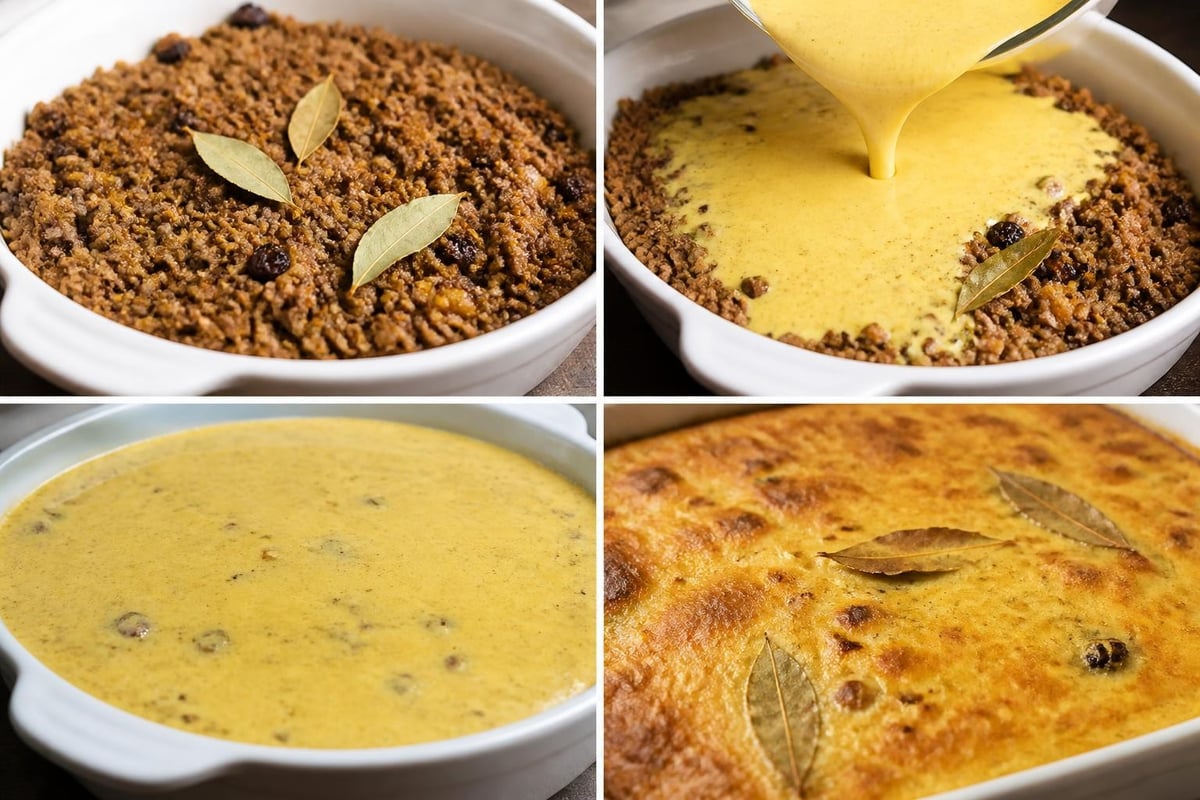
Bobotie stands as South Africa's national dish and represents the Cape Malay influence that has shaped the country's culinary landscape since the 17th century. This baked casserole combines curried minced meat with dried fruit, topped with a savoury egg custard that creates a golden crust during baking.
Origins and Cultural Significance
The dish arrived in South Africa with Malay slaves brought by the Dutch East India Company, who adapted Indonesian recipes using local ingredients. Bobotie reflects the fusion cooking that defines the best South African dishes, blending aromatic spices like turmeric, curry powder, and coriander with sweet elements such as apricot jam and raisins.
The traditional preparation involves:
- Sautéing onions and garlic until golden
- Browning minced beef or lamb with curry spices
- Adding soaked bread for moisture and texture
- Incorporating chutney, dried apricots, and raisins
- Topping with an egg and milk mixture
- Baking until the custard sets perfectly
Many South Africans living in New Zealand seek out authentic Mrs Ball's Chutney and traditional curry powders to recreate this beloved dish, maintaining the exact flavour profiles they remember from home.
Braai Culture and Boerewors
No discussion of the best South African dishes would be complete without exploring braai culture. More than just barbecuing, braai represents a social institution where friends and family gather around open flames to cook meat, share stories, and celebrate life.
Boerewors, the spiral-shaped farmer's sausage, serves as the cornerstone of any proper braai. This coarse-ground sausage must contain at least 90% meat according to South African regulations, with a specific blend of spices including coriander, cloves, nutmeg, and black pepper.
| Boerewors Component | Traditional Specification |
|---|---|
| Meat Content | Minimum 90% beef or combination of beef and lamb |
| Fat Content | Maximum 30% |
| Casings | Natural sheep or beef casings |
| Spice Blend | Coriander, cloves, nutmeg, black pepper, vinegar |
| Form | Continuous spiral coil |
The art of braaiing boerewors requires patience and skill. Cooking over medium coals rather than open flames prevents the casing from bursting while ensuring even cooking throughout. Chef Ryan Cole's approach to barbecue demonstrates how South African braai techniques have influenced contemporary grilling culture globally.
For South Africans in New Zealand, finding authentic boerewors has historically been challenging. Something From Home addresses this need by stocking genuine South African boerewors and braai essentials, allowing expats to maintain their cherished weekend traditions.
Bunny Chow: Durban's Street Food Icon
Bunny chow exemplifies how the best South African dishes emerged from necessity and cultural innovation. Created by Indian workers in Durban during the apartheid era, this ingenious street food consists of a hollowed-out loaf of white bread filled with curry.
The Bunny Chow Experience
The dish typically comes in three sizes:
- Quarter: One-quarter loaf, perfect for a snack
- Half: Half loaf, standard meal portion
- Full: Whole loaf, for serious appetites
Traditional fillings include mutton curry, chicken curry, or vegetable curry, each slow-cooked with aromatic spices until tender. The genius lies in using the scooped-out bread (called the "virgin") to soak up the rich curry sauce, creating a completely edible, portable meal with no utensils required.
Traditional South African dishes like bunny chow demonstrate how cultural constraints led to culinary creativity that has now become celebrated worldwide.
Biltong and Droëwors: South Africa's Preserved Meats
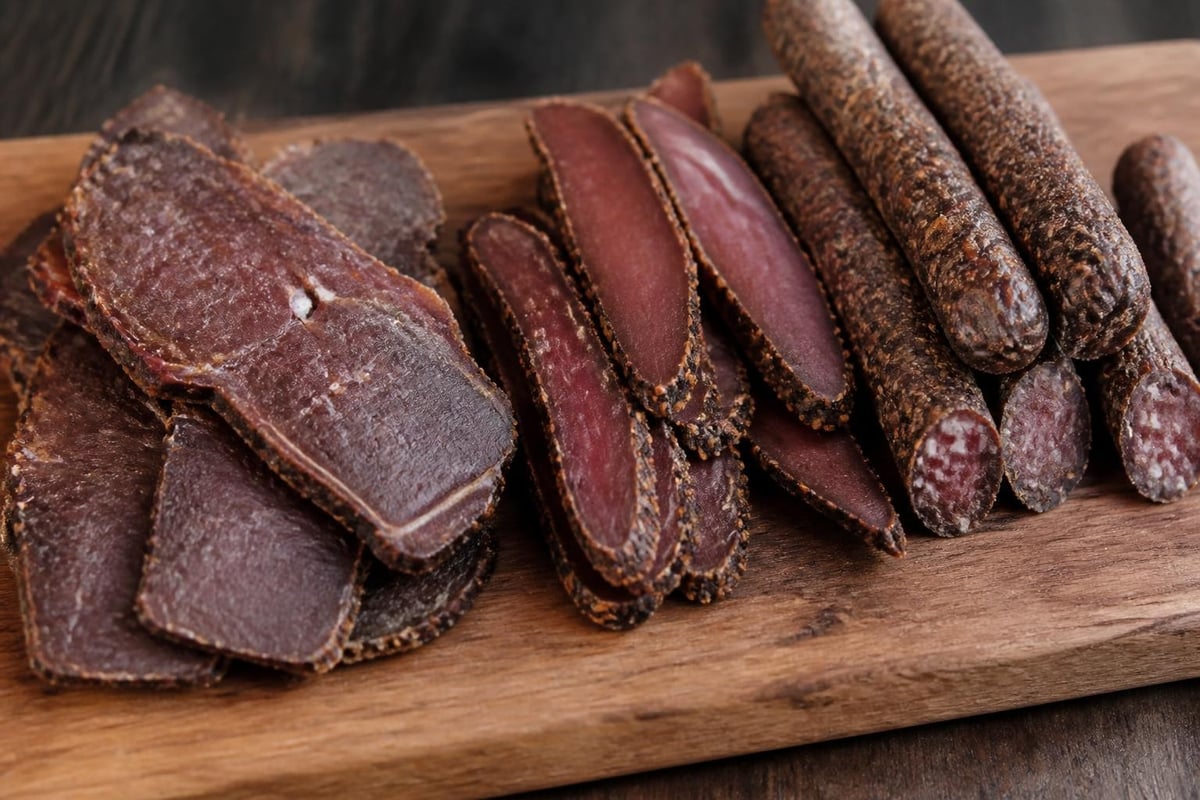
Biltong represents more than just dried meat; it embodies South African food preservation history dating back to indigenous peoples and Dutch settlers who needed to preserve meat without refrigeration.
The production process involves:
- Cutting prime beef into thick strips
- Marinating in vinegar, salt, and spices
- Coating with coriander seeds and black pepper
- Air-drying for several days to weeks
Droëwors, the dried version of boerewors, follows similar principles but maintains the sausage's distinctive spice blend and cylindrical shape.
| Aspect | Biltong | Droëwors |
|---|---|---|
| Base Meat | Beef strips | Sausage in casing |
| Drying Time | 7-14 days | 3-7 days |
| Texture | Chewy to firm | Dry, firm |
| Primary Spices | Coriander, black pepper | Boerewors spice mix |
| Consumption | Sliced thin or thick | Eaten whole or sliced |
For South Africans living in New Zealand, biltong serves as comfort food, pre-workout protein, and a connection to home. The specific taste profile achieved through traditional South African spices and preparation methods cannot be replicated by generic beef jerky.
Potjiekos: The Three-Legged Pot Stew
Potjiekos (pronounced "poy-key-koss") represents one of the best South African dishes for communal cooking, slow-cooked in a cast-iron pot over open coals. This traditional stew combines meat, vegetables, and aromatic spices in layers, cooking slowly without stirring to develop complex flavours.
The technique differs fundamentally from conventional stews. Ingredients layer in sequence: meat at the bottom, followed by hardy vegetables like potatoes and carrots, then softer vegetables near the top. The cardinal rule: never stir a potjie. The layering creates distinct textures and allows flavours to meld naturally through steam and conduction.
Popular potjiekos variations include lamb and apricot, oxtail and butter beans, or chicken and vegetable combinations. The cooking process typically spans three to four hours, making potjiekos perfect for social gatherings where the journey matters as much as the destination.
Milk Tart (Melktert): Sweet South African Heritage
Among the best South African dishes in the dessert category, milk tart holds special significance. This custard pie combines a sweet pastry crust with a light, creamy filling dusted with cinnamon.
Traditional Preparation Methods
The filling consists of:
- Full cream milk infused with cinnamon stick
- Eggs and sugar whisked until pale
- Cornflour for thickening
- Butter for richness
- Vanilla essence for aromatic depth
The result delivers a delicate, wobbling custard that's neither too sweet nor too heavy. Unlike dense custard tarts from other cuisines, South African milk tart maintains a lighter consistency that refreshes rather than overwhelms.
South Africans in New Zealand often seek specific ingredients like tennis biscuits for the crust or Cremora for traditional variations. These products, available through South African food stores, ensure authentic results that transport makers and eaters back home.
Sosaties: Cape Malay Kebabs
Sosaties showcase another Cape Malay contribution to the best South African dishes, featuring marinated meat skewers cooked over open flames. The name derives from "sate" (skewered meat) and "saus" (sauce), reflecting the dish's Indonesian-Dutch heritage.
Traditional sosaties combine lamb or chicken with dried apricots, threaded alternately onto skewers and marinated overnight in a tangy-sweet sauce containing curry powder, apricot jam, vinegar, and garlic. The marinade creates caramelised edges during grilling while keeping the interior tender and juicy.
The marinade typically includes:
- Apricot jam for sweetness
- Curry powder for warmth
- Vinegar for acidity
- Garlic and onions for depth
- Turmeric for colour
- Sugar for caramelisation
Popular South African dishes like sosaties have gained international recognition, with restaurants worldwide attempting to capture their unique flavour profiles.
Vetkoek: South Africa's Fried Bread
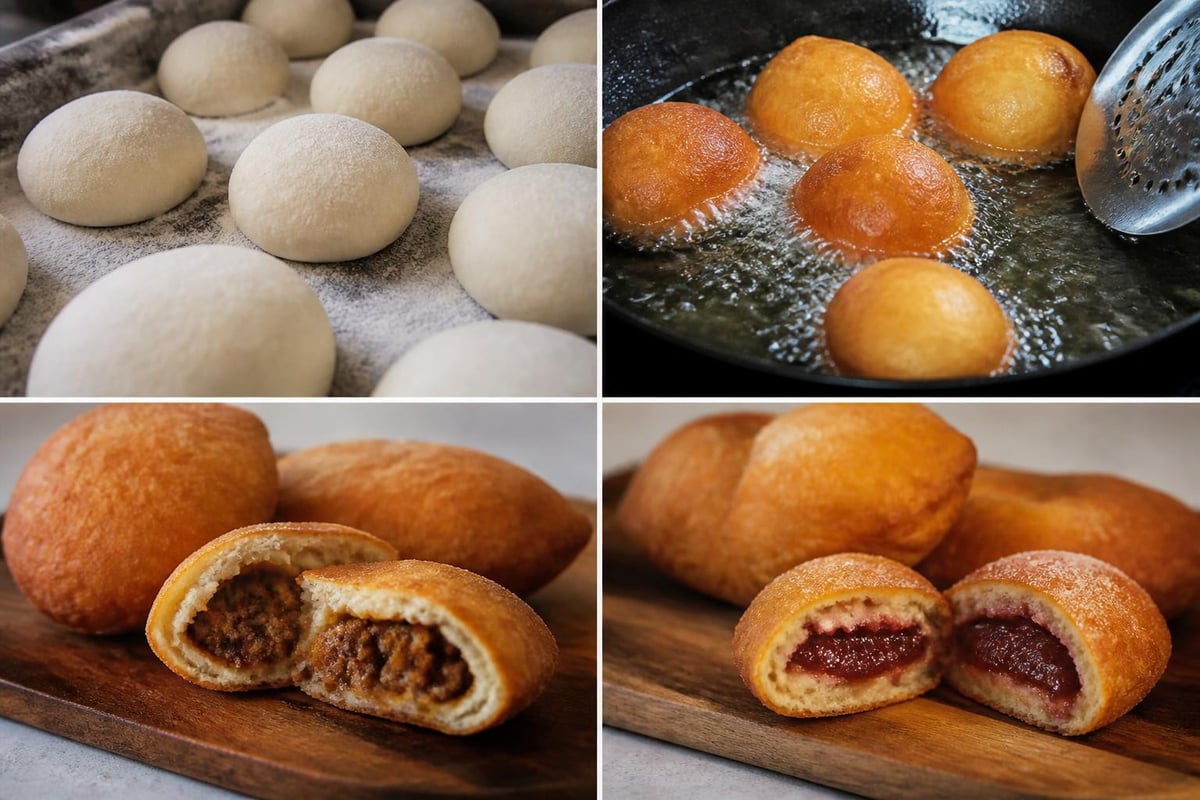
Vetkoek, literally "fat cake," represents comfort food in its most elemental form. This deep-fried bread dough creates golden, pillowy spheres that can be served sweet or savoury.
Sweet preparations involve dusting with cinnamon sugar or filling with syrup, honey, or jam. Savoury versions feature curried mince, cheese, or polony. The contrast between crispy exterior and soft, airy interior makes vetkoek irresistible.
The dough requires:
- Flour, salt, and sugar mixed thoroughly
- Instant yeast activated in warm water
- Kneading until smooth and elastic
- Rising for one hour until doubled
- Portioning into balls
- Deep-frying in hot oil until golden
Many South Africans remember vetkoek from school tuckshops, sports events, or Sunday family gatherings, making it a powerful nostalgia trigger for expats.
Chakalaka and Pap: The People's Meal
Chakalaka, a spicy vegetable relish, paired with pap (maize porridge) represents everyday South African cuisine at its finest. This combination appears at braais, celebrations, and weeknight dinners throughout the country.
Chakalaka ingredients vary by region and cook, but typically include:
- Onions and bell peppers
- Tomatoes and carrots
- Baked beans
- Chilli peppers for heat
- Curry powder and aromatic spices
- Ginger and garlic
Pap ranges from soft and porridge-like (slap pap) to firm and crumbly (stywe pap), depending on water content. The neutral, slightly sweet maize flavour provides the perfect canvas for chakalaka's bold spices.
Traditional dishes from South Africa demonstrate how simple ingredients transform into deeply satisfying meals through proper seasoning and technique.
Koeksisters: Twisted Sweet Delights
Koeksisters deserve recognition among the best South African dishes for their technical complexity and spectacular results. These plaited, deep-fried doughnuts get immediately plunged into ice-cold sugar syrup, creating a crispy exterior with syrup-soaked interior.
Cape Malay Koeksisters
A distinct variation, Cape Malay koeksisters feature a different approach entirely. Spiced with ginger, cardamom, and cinnamon, these dumplings get rolled in desiccated coconut after frying, resulting in a lighter, less syrupy sweet.
| Aspect | Afrikaner Koeksister | Cape Malay Koeksister |
|---|---|---|
| Shape | Plaited twist | Round dumpling |
| Texture | Crispy, syrup-drenched | Soft, spiced |
| Coating | Syrup only | Coconut |
| Spices | Minimal | Ginger, cardamom, cinnamon |
| Colour | Deep golden | Light golden |
The precision required for perfect koeksisters makes them a point of pride for accomplished bakers. The dough temperature, syrup temperature, and timing all critically affect the final product.
Snoek and Samp: Coastal Traditions
Snoek, a firm white fish found in South African waters, features prominently in coastal cuisine. Traditionally braaied or smoked, snoek develops a distinctive flavour that pairs beautifully with samp (dried corn kernels).
Smoked snoek pâté has become particularly popular, spreading on crackers or vetkoek. The fish's oily richness balances samp's earthy neutrality, creating a satisfying combination that sustained coastal communities for generations.
South Africans in New Zealand often struggle to find adequate snoek substitutes, though some fish varieties approximate the texture. However, authentic smoked snoek products occasionally become available through speciality South African importers.
Curries and Spice: The Durban Influence
Durban's substantial Indian population has profoundly influenced South African cuisine, contributing some of the best South African dishes available today. Durban curry differs from Indian subcontinental curries through its use of specific local ingredients and cooking techniques.
Key characteristics include:
- Heavy use of fresh curry leaves
- Mum's Curry Powder or similar South African blends
- Thicker, more concentrated sauces
- Integration of tomato and onion
- Potatoes as substantial additions
Accompaniments like sambals (spicy condiments), atjar (pickles), and rotis complete the Durban curry experience. Many of these condiments and spice blends prove difficult to source outside South Africa, making speciality stores essential for authentic preparation.
Preserving Culinary Heritage Abroad
For South Africans living in New Zealand, maintaining connections to these traditional dishes provides cultural continuity and comfort. The best South African dishes carry memories, traditions, and identity that transcend simple nutrition.
Something From Home operates as more than just a South African shop; it serves as a cultural bridge, stocking over 2,500 products that enable expats to recreate authentic dishes. From Mrs Ball's Chutney to proper biltong spices, from Ouma Rusks to Jungle Oats, having access to genuine ingredients makes the difference between approximation and authenticity.
The shop's comprehensive range includes:
- Traditional spice blends and condiments
- Baking essentials like tennis biscuits
- Preserved meats including biltong
- Confectionery and snacks
- Braai supplies and accompaniments
Regional Variations and Local Specialties
South Africa's diverse geography creates regional specialities that expand the roster of best South African dishes beyond nationally recognised favourites. The Eastern Cape offers unique takes on traditional recipes, while the Free State contributes hearty farm cuisine.
Township Cuisine Innovation
Township cooking has increasingly gained recognition for innovation and flavour. Contemporary South African dining showcases how traditional township dishes are being refined and presented to new audiences while maintaining their essential character.
Dishes like mogodu (tripe), walkie-talkies (chicken feet and heads), and kota (hollowed bread filled with chips, polony, cheese, and accompaniments) represent authentic township food culture. While these may seem unconventional to outsiders, they demonstrate resourcefulness and culinary creativity.
The Role of Wine in South African Dining
South African wine regions, particularly Stellenbosch and Franschhoek, produce world-class wines that pair exceptionally with local cuisine. New generation winemakers focus on quality over quantity, creating sophisticated wines that complement the bold flavours in the best South African dishes.
Pinotage, South Africa's signature grape variety, offers fruity notes that pair well with boerewors and sosaties. Chenin blanc's versatility makes it ideal for bobotie and Cape Malay curries. These wine pairings elevate home cooking into complete dining experiences.
Shopping for Authenticity in New Zealand
Finding authentic South African ingredients in New Zealand once required compromises and substitutions that diminished traditional recipes. Modern South African food stores now offer comprehensive selections that enable proper preparation.
Essential pantry items for recreating the best South African dishes include:
- Mrs Ball's Chutney for bobotie and sandwiches
- Aromat seasoning for vegetables and meats
- Bisto gravy powder for traditional accompaniments
- All Gold Tomato Sauce for authentic flavour
- Robertsons spices for traditional seasoning
- Bovril for rich, meaty depth
Browse the full range to discover hard-to-find products that transform home cooking from approximation to authenticity. The ability to purchase South African groceries online in New Zealand eliminates the frustration of endless searching and disappointing substitutions.
Cooking Techniques That Define the Cuisine
Beyond specific dishes, certain cooking methods define South African cuisine. Braaiing over wood coals creates smoky flavours impossible to replicate with gas grills. Potjiekos slow-cooking develops layered complexity. These techniques matter as much as ingredients in achieving authentic results.
Understanding proper braai etiquette includes knowing when coals reach the right temperature (when white ash forms), how to position meat for even cooking, and why patience produces better results than high heat. These skills pass between generations, maintaining cultural traditions through practical knowledge.
Modern Interpretations and Fusion
Contemporary South African chefs worldwide experiment with traditional dishes, creating fusion cuisine that respects heritage while embracing innovation. Bunny chow gets deconstructed, milk tart appears with unexpected flavour combinations, and biltong seasons everything from salads to gourmet burgers.
First-time visitors to South African cuisine often discover unexpected sophistication in dishes that initially seem simple. The complexity emerges through spice layering, cooking technique, and the interplay of sweet, savoury, and spicy elements.
These modern interpretations don't replace traditional preparations but expand the cuisine's reach, introducing new audiences to flavour profiles they've never encountered. For expats, both traditional and contemporary approaches satisfy different needs: comfort versus exploration.
Building Community Through Food
South African expat communities in New Zealand often gather around food, recreating the social aspects of braais, potjies, and family meals. These gatherings strengthen cultural identity and provide children raised abroad with connections to their heritage.
Food becomes the medium through which stories, language, and values transmit between generations. Making koeksisters with grandma's recipe, learning proper braai technique from dad, or mastering bobotie preparation connects individuals to their ancestry in tangible, delicious ways.
The importance of having access to authentic ingredients cannot be overstated. When a South African food store stocks the exact products used back home, it enables genuine cultural transmission rather than approximated memories.
The best South African dishes represent centuries of cultural exchange, creative adaptation, and culinary excellence that continues evolving today. Whether you're a South African expat yearning for familiar flavours or an adventurous food lover exploring new cuisines, these dishes offer rich, rewarding experiences that satisfy both stomach and soul. For those in New Zealand seeking authentic South African ingredients, spices, and products to recreate these traditional dishes, Something From Home provides comprehensive access to over 2,500 genuine South African products, ensuring your cooking captures the true essence of the Rainbow Nation's remarkable culinary heritage.