
Best Before Dates vs Expiry Dates: Key Differences Explained 2026
Confused about best before dates vs expiry dates on your food? You are not alone. Many shoppers in New Zealand are unsure what these dates really mean and how they affect the food in their pantry.
This article demystifies best before dates vs expiry dates, giving you the clarity you need to make safer, smarter choices in 2026. We will break down the definitions, legal standards, real world examples, and health implications of each label.
By understanding these key differences, you will learn how to reduce food waste and shop with confidence. Read on for expert advice that will help you protect your health, your wallet, and the environment.
Understanding Best Before Dates
Knowing the difference between best before dates vs expiry dates can help you save money, reduce food waste, and make safer choices at the supermarket. Many shoppers are surprised to learn that best before dates are about quality, not safety. Let’s untangle what these labels really mean for your food.
What is a Best Before Date?
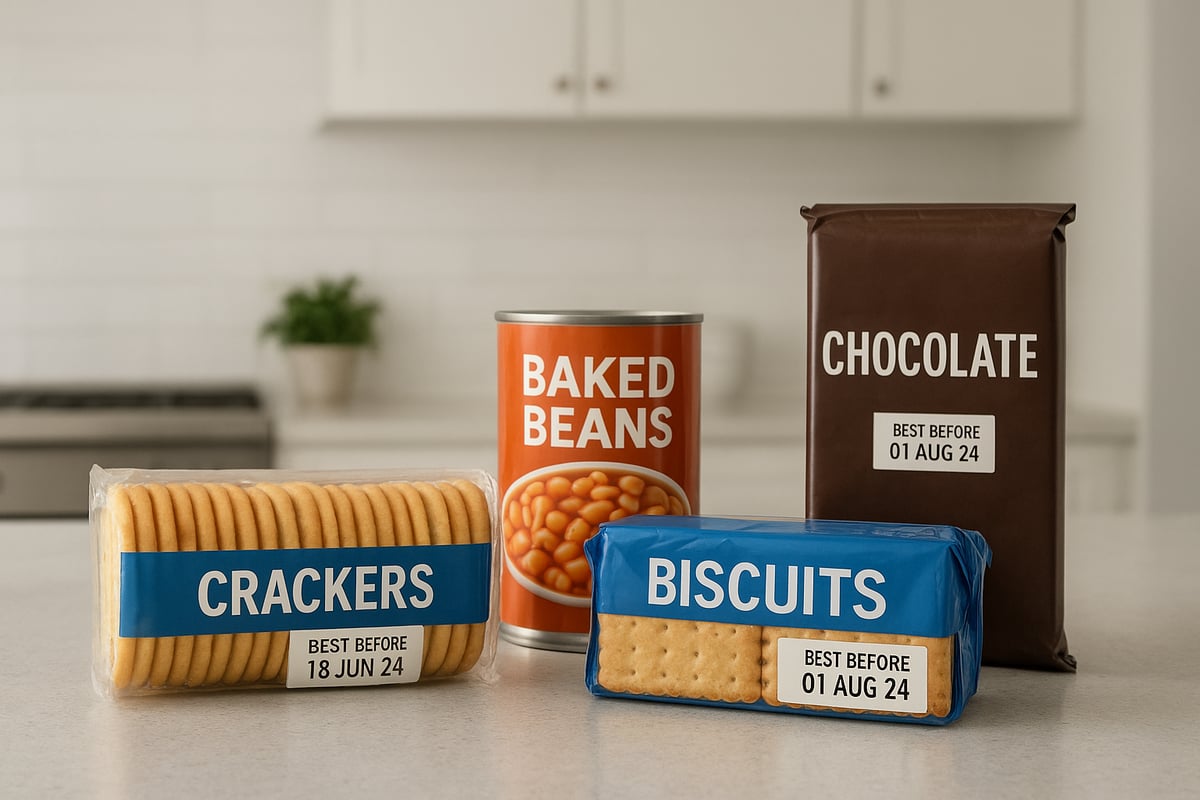
A best before date is the manufacturer’s estimate of when a product will be at its freshest and tastiest, but it does not mean the food is unsafe after that date. You’ll find best before dates on foods like chips, cereals, canned goods, and dry snacks. For example, crackers might lose their crunch after the best before date, but they are still safe to eat if stored well.
In New Zealand, the Food Standards Code requires clear labelling of best before dates on most packaged foods that have a shelf life of less than two years. According to FSANZ guidelines on date marking, this helps consumers make informed choices about food quality. Misunderstanding best before dates vs expiry dates contributes to up to 30% of food waste in NZ, as many people think these foods must be thrown away once the date passes.
The key takeaway is that best before dates are about taste, texture, and appearance, not safety. Many shoppers mistakenly believe food is dangerous after this date, but that’s not the case.
Shelf Life and Quality After Best Before
How long a product remains at its best depends on its ingredients, packaging, and how you store it. Manufacturers use sensory testing and laboratory analysis to determine best before dates vs expiry dates, but the actual shelf life can vary in your pantry.
Take chocolate, for example. After the best before date, it might develop a white “bloom” on the surface. This is just cocoa butter rising to the top and does not mean the chocolate is spoiled. Biscuits might go soft, but a quick turn in the oven can restore their crunch.
Factors like temperature, humidity, and whether packaging is airtight all affect shelf life. If a bag of chips is left open, they will stale faster, regardless of the best before date. It’s wise to use your senses: check for mould, off smells, or changes in taste. If the food looks and smells normal, it’s probably fine to eat.
Surprisingly, 60% of Kiwis admit to throwing away food just because it is past its best before date, even if the quality has not noticeably changed. This shows how misunderstanding best before dates vs expiry dates can lead to unnecessary waste.
Remember, the best before date is a guideline. For many foods, it’s perfectly safe to enjoy them after the date, as long as they have been stored properly and show no signs of spoilage.
Common Misunderstandings and Clarifications
One of the biggest confusions is the difference between best before dates vs expiry dates. Best before means the food may lose some quality but is still safe to eat. Expiry dates, on the other hand, are about safety and are found on products like infant formula and some supplements.
For example, a tin of beans that is months past its best before date can still be eaten if the can is intact, with no bulges or leaks. This is very different from expiry dates, where the product must be discarded after the date for safety reasons.
Misunderstanding best before dates vs expiry dates leads to thousands of tonnes of food being wasted every year. Supermarkets may offer discounts on products nearing their best before dates, helping reduce waste and save you money. Both New Zealand and Australia have run education campaigns to help shoppers understand what these labels really mean.
The most important tip is to trust your senses and storage practices. If you store food as recommended and it looks, smells, and tastes normal, it’s generally safe to consume after the best before date. Learning the difference between best before dates vs expiry dates will help you make smarter choices, waste less, and enjoy your favourite foods without worry.
Understanding Expiry Dates
Expiry dates are one of the most important aspects of food labelling, especially when considering best before dates vs expiry dates. Many shoppers confuse these two terms, but expiry dates serve a very different purpose. Understanding how and why expiry dates are used will help you make safer decisions when buying and consuming food in New Zealand.
What is an Expiry Date?
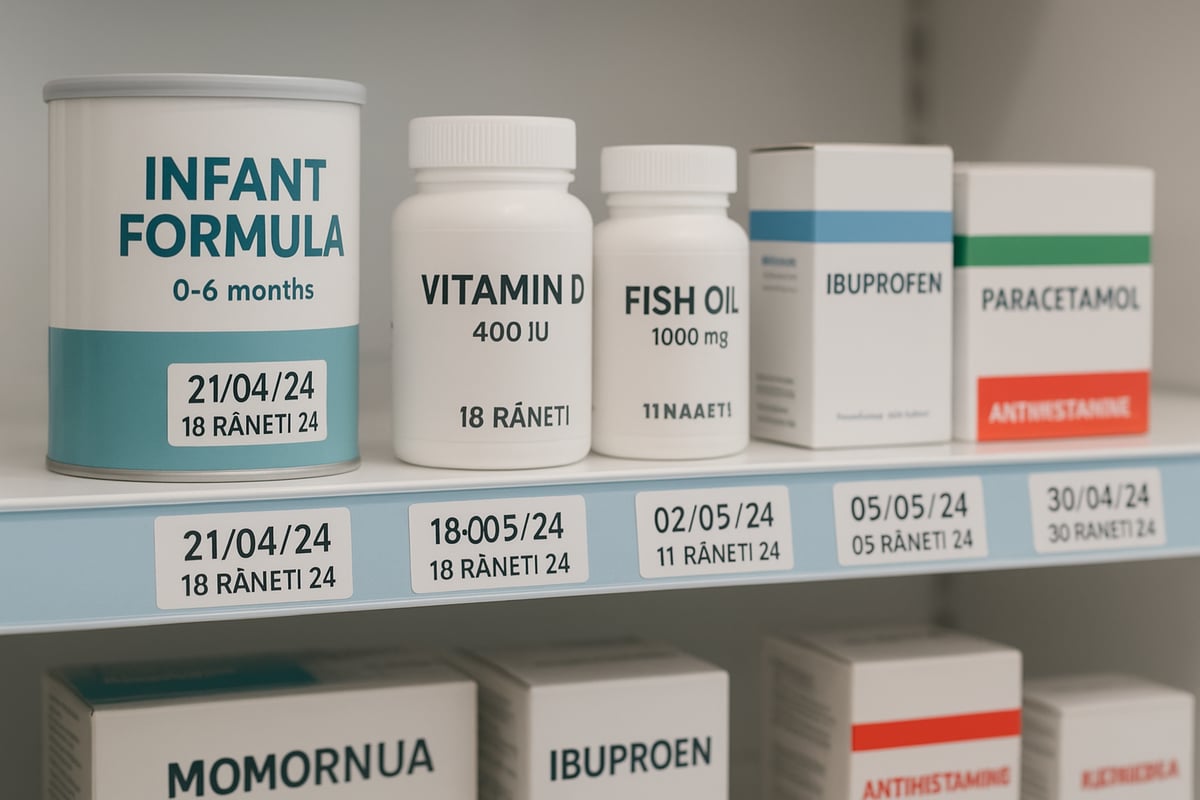
An expiry date is the final day a food product is guaranteed to be safe to consume. Unlike best before dates, which focus on quality, expiry dates are strictly about food safety. Products like infant formula, nutritional supplements, and certain medicines carry expiry dates because consuming them after this point can pose health risks.
For example, baby formula must not be used past its expiry date, as the nutrients may degrade and harmful bacteria could develop. This is a key distinction in the best before dates vs expiry dates discussion. New Zealand law requires 100% compliance for products with expiry dates in supermarkets, and regulatory authorities take this requirement seriously.
The expiry date is not a suggestion for when the food might start to lose its flavour or texture; it is a safety deadline. If you see an expiry date on a product, it means the manufacturer and regulators have determined that the food will no longer be safe to eat after that date. This is very different from best before dates vs expiry dates, where best before is a guideline for quality rather than safety.
Health and Safety Implications
The health implications of ignoring expiry dates can be serious. Consuming products after their expiry date increases the risk of bacterial growth, food poisoning, and nutrient loss. Dairy, supplements, and medicines are especially sensitive, and expired items can quickly become unsafe.
Vulnerable groups like infants, the elderly, and people with weakened immune systems are at higher risk if they consume expired products. In New Zealand, strict regulations protect these groups by ensuring that products with expiry dates are removed from shelves promptly. Manufacturers are legally responsible for guaranteeing safety up to the expiry date, and retailers must rotate stock to avoid selling expired goods.
Food recalls are sometimes triggered when expired or incorrectly labelled products are found in stores. The Ministry for Primary Industries (MPI) reports that 15% of food recalls in New Zealand are due to issues with expiry dates or labelling errors. This highlights the importance of distinguishing best before dates vs expiry dates when making purchasing choices. Never consume food or medicines after their expiry date, even if they look or smell fine.
How Expiry Dates Are Determined
Expiry dates are set through rigorous scientific testing. Manufacturers conduct microbiological, chemical, and physical stability studies to determine how long a product remains safe. These tests might include accelerated aging or real-time storage to simulate how the product will behave over time. Packaging technology also plays a critical role in maintaining safety up to the expiry date.
Labelling is closely monitored by both manufacturers and government agencies. In New Zealand, the Ministry for Primary Industries provides detailed MPI guidance on food labelling to ensure expiry dates are accurate and visible. This process is much stricter than for best before dates vs expiry dates, reflecting the higher stakes for consumer safety.
As a consumer, you are responsible for checking expiry dates before purchase and use. Always follow the guidance on the label and dispose of products once they pass their expiry date. Remember, expiry dates are set with a safety margin to protect your health and those of your family.
Legal and Regulatory Framework in New Zealand and Australia
Navigating best before dates vs expiry dates can be challenging, especially with changing regulations and evolving industry standards. In New Zealand and Australia, food date labelling is strictly regulated to ensure consumers make safe, informed choices. Understanding the legal framework behind these dates is key to reducing confusion, protecting health, and minimising waste.
Date Labelling Laws and Standards
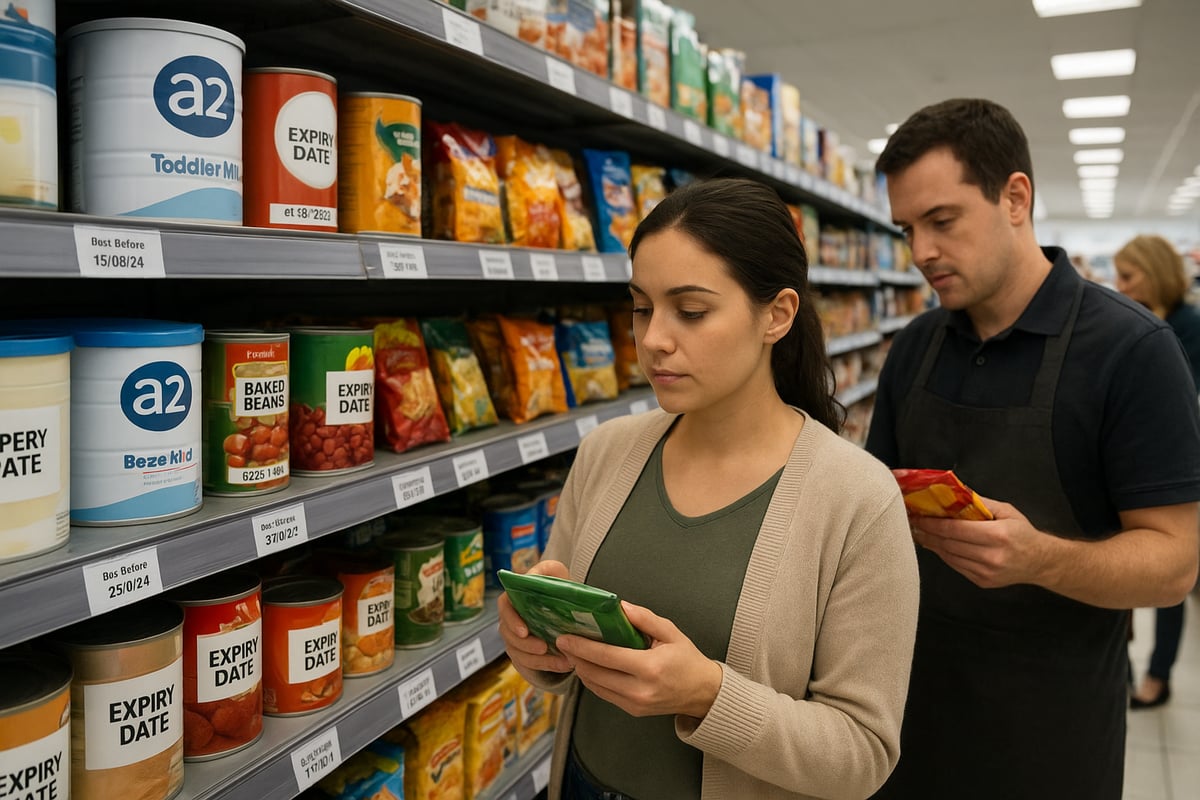
The legal requirements for best before dates vs expiry dates in New Zealand and Australia are set by the Food Standards Australia New Zealand (FSANZ) and the NZ Food Standards Code. These regulations make a clear distinction between best before, use by, and expiry dates, each serving a different purpose for food safety and quality.
- Best before dates: Indicate when food is at its best quality. Foods can often be safely consumed after this date if stored correctly.
- Expiry dates: Mark the last date a product can be safely consumed. Products like infant formula and supplements must not be sold or used after this date.
- Use by dates: Relate to highly perishable foods, which must not be sold or eaten after the date passes.
Penalties for incorrect labelling are significant. For example, retailers selling expired infant formula can face hefty fines and potential legal action. Since 2024, updates to labelling laws have focused on clearer language and better consumer education, reducing confusion between best before dates vs expiry dates.
The regulatory framework is designed to protect both consumers and retailers. Compared to the EU and US, Australia and New Zealand are moving towards even clearer labelling and more consistent enforcement. For more insights on legal standards and how they affect you as a consumer, Consumer NZ insights on date labels provides helpful analysis and survey data.
Enforcement and Compliance
Enforcement of best before dates vs expiry dates involves several authorities. The Ministry for Primary Industries (MPI) and local councils oversee compliance through regular audits and inspections in supermarkets and food outlets. Retailers are required to:
- Rotate stock to ensure older products are sold first.
- Remove expired or unsafe products from shelves immediately.
- Keep accurate records of all date-labelled inventory.
Since the 2025 food safety reforms, compliance checks have increased, with a focus on products most likely to pose a risk if consumed past their expiry date. Regular inspections target both large supermarkets and small retailers to ensure everyone follows the rules.
Consumers also play a key role in the enforcement process. If you see a product being sold past its expiry date or suspect incorrect labelling, you have the right to report it to MPI or your local council. In cases of mislabelling, recall procedures are activated quickly to protect public health.
Strong enforcement of best before dates vs expiry dates gives shoppers confidence that food is safe and correctly labelled. Retailers and regulators working together ensure that New Zealand’s food supply remains among the safest in the world.
Practical Examples and Everyday Scenarios
Understanding best before dates vs expiry dates in real-life situations can make a big difference to your wallet and your confidence in the kitchen. Let’s break down how these dates apply to the foods you buy every week, and how a little knowledge can help you avoid unnecessary waste.
How to Interpret Dates on Common Foods
When you pick up pantry staples like rice, pasta or canned goods, you will almost always see a best before date. These foods are typically safe to eat well after this date, provided the packaging is intact and they have been stored in a cool, dry place. For example, canned beans remain perfectly edible months past their best before date if the can is not damaged or bulging.
Chilled foods such as milk, cheese and yoghurt often have use by or expiry dates. It is essential to follow expiry dates strictly, especially for dairy, as consuming products past this date can pose health risks. For best before dates vs expiry dates, remember that best before is about taste and texture, while expiry is about safety.
Frozen foods can be confusing, as some carry a best before date, while others have use by. Frozen vegetables or bread with a best before date may lose quality over time but remain safe. Bakery items, like bread or buns, may become stale after the best before date but are not necessarily unsafe. Trust your senses: look for mould, off smells or unusual textures.
According to a recent survey, 40% of New Zealand households misinterpret date labels, which can lead to discarding food that is still good to eat. Understanding best before dates vs expiry dates helps reduce this confusion and keeps perfectly edible food from ending up in the bin.
Reducing Food Waste and Saving Money
Misunderstanding best before dates vs expiry dates can have a significant impact on your household budget. Many families throw away food simply because it has passed its best before date, even though it is still safe and nutritious. This habit adds up over time, with New Zealand households wasting an average of $1,259 each year on food that could have been eaten.
To combat this, food rescue initiatives like Kaibosh and Foodbank NZ collect surplus food approaching its best before date and distribute it to those in need. Supermarkets also offer “short-dated” specials, providing discounts on items nearing their best before date. These are excellent opportunities for savvy shoppers to save money and reduce waste.
Here are some practical tips:
- Plan meals around items close to their best before date.
- Store food properly to extend its shelf life.
- Use the FIFO (First In, First Out) method in your pantry and fridge.
By understanding best before dates vs expiry dates, you can make informed choices, stretch your grocery budget further, and have a positive impact on the environment.
Best Before Dates and South African Products: What You Need to Know
South African imported foods, such as biltong, rusks, and snacks, often display best before dates rather than expiry dates. These products typically retain their quality well past the best before date if stored correctly. At Something From Home, transparent labelling and customer education are top priorities.
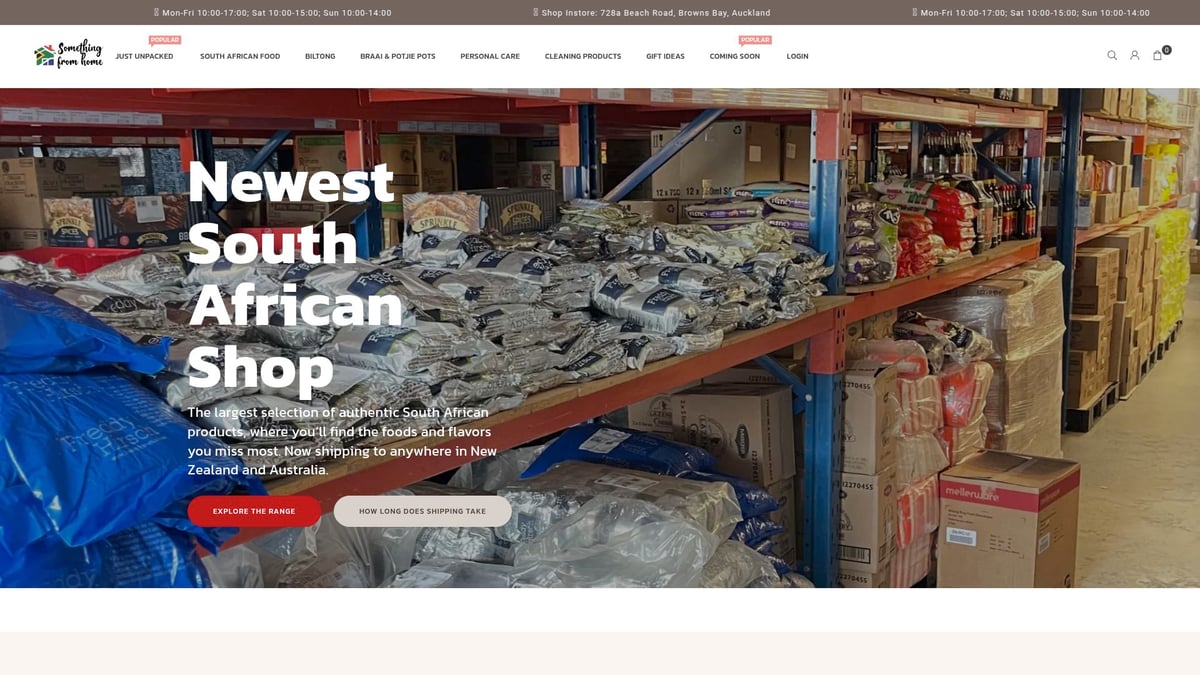
If you are unsure about a product after its best before date, look for changes in appearance, smell, or texture. The team offers clear guidance and support, so you can confidently enjoy authentic South African flavours while reducing unnecessary waste. Trust your senses and reach out with any questions—the commitment to honest information ensures you get the most from your purchase.
Comparing Best Before and Expiry Dates: Key Differences
Understanding best before dates vs expiry dates is essential for making safer, smarter choices in your daily shopping and food consumption. Many New Zealanders still find these terms confusing, which can lead to unnecessary waste or even health risks. Let us break down the key differences and how they affect your pantry, wallet and wellbeing.
Side-by-Side Comparison Table
To help clarify best before dates vs expiry dates, here is a simple table that highlights the main differences:
| Feature | Best Before Date | Expiry Date |
|---|---|---|
| Definition | Indicates peak quality, not safety | Marks last day food is safe to consume |
| Common Foods | Biscuits, canned goods, snacks, cereals | Infant formula, supplements, medicines |
| Legal Status | Required for most shelf-stable foods | Mandatory for products with safety concerns |
| After the Date | Food may lose taste or texture but is often safe | Food must not be consumed |
| Consumer Action | Use senses to check quality | Always discard after expiry |
For instance, biscuits and rusks date labels often display best before dates, showing these products may stay edible well after the printed date if stored properly.
Impacts on Food Safety and Quality
The impacts of best before dates vs expiry dates on food safety and quality are significant. Best before dates are all about ensuring the consumer enjoys food at its freshest, tastiest and most appealing. If crackers, rusks or canned beans pass their best before date, they may lose crunch or flavour, but they are not automatically unsafe to eat.
In contrast, expiry dates are strict safety deadlines. Products like infant formula or certain supplements have expiry dates because, after that point, the manufacturer cannot guarantee the product remains safe or effective. Consuming such items past their expiry date poses health risks, especially for babies, the elderly or those with weaker immune systems.
Manufacturers test products for shelf life and stability, but best before dates are usually conservative. You can often rely on your senses—sight, smell and taste—to judge if a food is still good after its best before date. However, never take chances with expiry dates. When comparing best before dates vs expiry dates, remember that one is a quality guideline, while the other is a safety requirement.
Consumer Decision-Making and Shopping Habits
Knowing the difference between best before dates vs expiry dates can empower you to make better choices at the supermarket and at home. For example, you might confidently purchase discounted snacks nearing their best before date, knowing they are still safe and delicious.
By contrast, you should always check expiry dates on products like baby formula and supplements, as consuming them after the date can be dangerous. Many households still misinterpret these labels. In fact, a recent consumer survey on date label understanding found that two in five New Zealanders get at least one of the two main date labels wrong, leading to avoidable waste.
Educating yourself about best before dates vs expiry dates helps reduce unnecessary food disposal and protects your family's health. Look for clear labelling, trust your senses for quality, and always respect expiry dates for safety. This simple knowledge can save money, cut waste, and give you peace of mind every time you open the pantry.
The Future of Food Date Labelling: Trends and Innovations
Food date labelling is rapidly evolving, with both local and global changes designed to address confusion around best before dates vs expiry dates. As we look ahead to 2026, new standards and innovations are reshaping how we interpret food labels, helping Kiwis make smarter, safer choices.
Moves Towards Standardisation and Clarity
Around the world, there is a growing push to standardise how best before dates vs expiry dates are presented. Governments and industry bodies are responding to widespread confusion by updating regulations and labelling practices. In New Zealand, the Food Standards Code has been revised, and supermarkets are trialling clearer, more intuitive date labels.
Initiatives like “Look, Smell, Taste, Don’t Waste” encourage shoppers to use their senses alongside date labels, reinforcing that best before dates vs expiry dates serve different purposes. Best before refers to quality, while expiry is about safety. Digital tools, such as QR codes on packaging, provide instant access to storage advice and freshness tips.
Supermarkets are piloting shelf labels that distinguish between best before and expiry, reducing accidental food waste. Internationally, countries are aligning terminology and standards, making it easier for shoppers to interpret dates across borders. For example, South African imports stocked in New Zealand supermarkets, such as those in the South African groceries and food safety range, often use best before dates, highlighting the need for clear, consistent messaging.
These changes are driven by strong consumer demand. Surveys show that 85% of New Zealanders want clearer date labelling, aiming to eliminate the guesswork from everyday shopping. With improved standards, the distinction between best before dates vs expiry dates is becoming much easier to navigate.
Technological Advances and Consumer Tools
Technology is transforming how consumers interact with best before dates vs expiry dates. Smart packaging now features built-in sensors that monitor temperature, humidity, and time, giving real-time feedback on product freshness. This means shoppers can rely on more than just printed dates, especially for foods with long shelf lives.
Mobile apps are also making a difference. Many allow users to scan barcodes, track best before dates vs expiry dates, and receive reminders when products are nearing their end. These tools support meal planning, reduce waste, and help families save money by ensuring food is used while still at its best.
Retailers are leveraging technology to manage inventory more effectively, automatically discounting items as they approach their best before dates. Early results from 2026 pilot programmes show reduced waste and increased customer satisfaction. By integrating these innovations into daily routines, Kiwis are empowered to make informed decisions and understand the nuances between best before dates vs expiry dates.
The future is bright for food safety and sustainability. As technology and clear labelling converge, consumers can shop with confidence, knowing exactly what best before dates vs expiry dates mean for their household and health.