Taste of Africa: Authentic South African Food in NZ
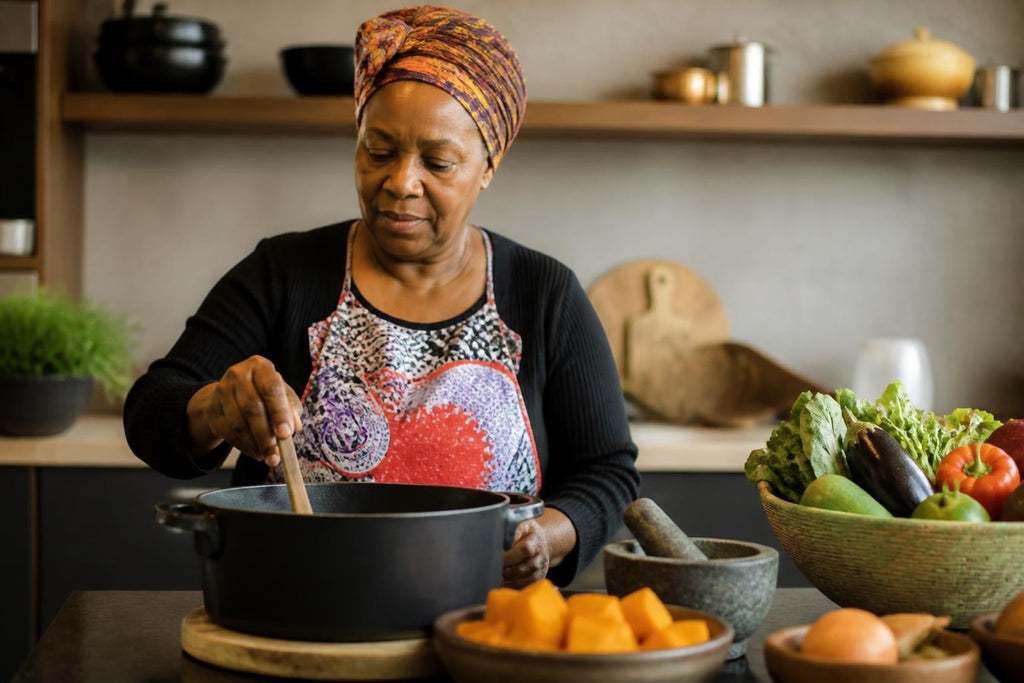
The taste of Africa represents a rich tapestry of flavours, traditions, and culinary heritage that spans across the continent's diverse regions. For South Africans living in New Zealand, maintaining a connection to these authentic flavours becomes more than a matter of preference-it transforms into a vital link to home, family, and cultural identity. Understanding what makes African cuisine distinctive helps expatriates and food enthusiasts alike appreciate the depth and complexity of these time-honoured culinary traditions.
Understanding the Distinct Flavours of African Cuisine
African food culture encompasses an extraordinary range of taste profiles, ingredients, and cooking methods that have evolved over centuries. The taste of Africa reflects indigenous agricultural practices, colonial influences, and the creativity of communities adapting to available resources. South African cuisine specifically draws from multiple cultural streams, including indigenous African traditions, Dutch settler influences, Malay spice routes, and Indian immigration patterns.
Indigenous Ingredients and Traditional Methods
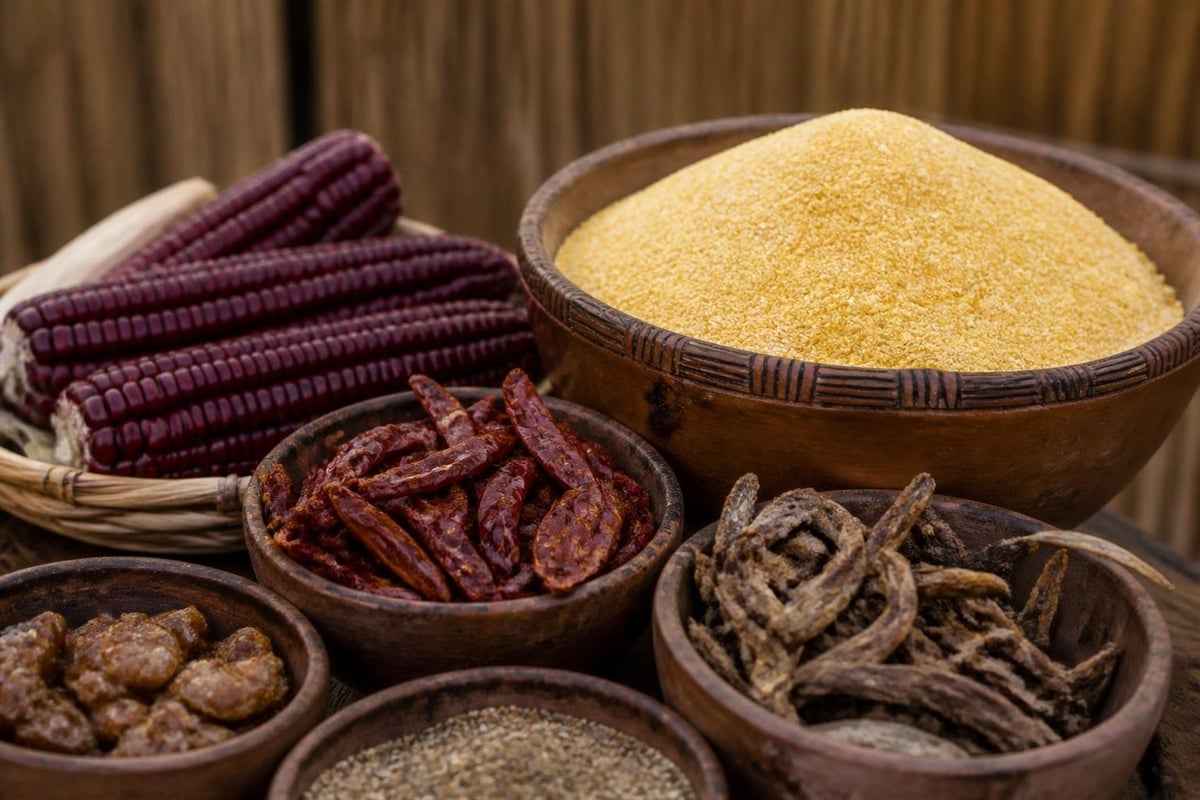
The foundation of authentic African flavours begins with indigenous ingredients that have sustained communities for generations. The FAO's Roots & Recipes initiative celebrates these traditional foods and their role in sustainable nutrition. Many South African products available today still honour these ancient recipes and preparation techniques.
Key traditional ingredients include:
- Maize meal and sorghum
- Indigenous vegetables like morogo (African spinach)
- Fermented milk products
- Traditional dried meats and preserves
- Native herbs and spice blends
These foundational elements create the distinctive taste of Africa that expatriates seek when shopping for familiar products. The cultural importance of these ingredients extends beyond mere nutrition-they represent identity, belonging, and continuity across generations.
The Role of Spice and Seasoning in South African Food
South African cuisine distinguishes itself through bold, layered seasoning profiles that reflect the country's multicultural heritage. The taste of Africa in a South African context means understanding how curry powders, peri-peri, and traditional braai (barbecue) seasonings come together to create memorable meals.
Signature Spice Blends and Condiments
South African kitchens rely on specific spice combinations and condiments that aren't easily replicated with local New Zealand alternatives. Products like Spur Sweet Chilli Dressing and Chilli Kingdom Jou Ma Se Chilli Pickle deliver the authentic heat and complexity that South African recipes demand.
| Spice Category | Common Uses | Flavour Profile |
|---|---|---|
| Curry powders | Bunny chow, sosaties, curried dishes | Warm, aromatic, layered |
| Peri-peri blends | Chicken marinades, chips seasoning | Fiery, citrus-forward, bold |
| Braai spices | Boerewors, lamb chops, steaks | Smoky, savoury, herbaceous |
| Aromat | Universal seasoning | Umami-rich, vegetable-based |
The precision of these seasonings matters tremendously. Expatriates often report that attempting to recreate the taste of Africa without authentic South African spice blends results in dishes that miss the mark, lacking the depth and character of properly seasoned food.
Nostalgic Snacks and Grocery Items
Beyond meal preparation, the taste of Africa lives vibrantly in the snacks and grocery items that punctuated daily life in South Africa. These products trigger powerful memories and provide comfort to those living abroad.
Iconic Biscuits and Sweet Treats
South African biscuits occupy a special place in the expatriate heart. Tennis Biscuits remain an enduring favourite, with their distinctive coconut-flavoured biscuits sandwiched with caramel cream. The texture and sweetness profile of these treats cannot be adequately substituted with local New Zealand alternatives. Many South Africans share stories of beloved products that disappeared from their lives after emigration.
Popular South African snack categories include:
- Coconut biscuits and rusks
- Dried meats (biltong and droëwors)
- Traditional sweets and chocolates
- Savoury crackers and chips
- Flavoured dairy drinks like Tropika
These snacks aren't merely food products-they're touchstones of identity. The taste of Africa experienced through a familiar biscuit or sweet can transport someone back to childhood kitchens, school lunchboxes, and family gatherings.
Beverages and Instant Drinks
Coffee culture in South Africa differs markedly from New Zealand's flat white tradition. Products like Ricoffy and instant cappuccino sachets represent a distinct approach to hot beverages. The instant coffee culture, while less fashionable than artisanal brewing, holds nostalgic value for many South Africans.

The Braai Culture and Grilling Traditions
No discussion of the taste of Africa would be complete without exploring braai culture. This outdoor cooking tradition represents far more than simply grilling meat-it embodies social connection, weekend rituals, and a particular approach to flavour development that distinguishes South African outdoor cooking.
Essential Braai Products and Techniques
The authentic braai experience requires specific products and methods. Safari Charcoal and Safari Briquettes provide the proper heat and smoke characteristics that South Africans expect. The choice between charcoal and briquettes influences cooking temperature, smoke flavour, and the overall experience.
Braai essentials include:
- Proper fuel (hardwood charcoal or premium briquettes)
- Boerewors (traditional sausage)
- Marinades and basting sauces
- Potato salad and traditional sides
- Mrs Ball's chutney
The taste of Africa manifests strongly in properly prepared braai meat, where seasoning, smoke, and cooking technique combine to create flavours that restaurant grilling often cannot replicate. The social aspect of gathering around the fire while meat cooks slowly over coals represents a cultural practice as important as the food itself.
Contemporary African Cuisine and Global Recognition
While traditional foods remain important, African cuisine continues to evolve and gain international recognition. Chefs like Serigne Mbaye are bringing West African flavours into mainstream culinary conversations, demonstrating how the taste of Africa appeals to global audiences when presented with contemporary techniques.
The Science of Flavour and Cultural Taste
Academic research into how communities develop and maintain taste preferences reveals the complexity of culinary traditions. Studies on flavour work in urban African settings demonstrate that taste preferences are socially produced, gendered, and deeply embedded in cultural practice. This research helps explain why expatriates seek authentic products rather than accepting substitutes-the taste of Africa carries meanings beyond simple flavour compounds.
UNESCO's recognition of culinary practices as intangible cultural heritage acknowledges that food traditions deserve protection and celebration. South African food culture, with its complex history and diverse influences, represents a living heritage that expatriates actively maintain through their purchasing and cooking choices.
Shopping for South African Products in New Zealand
For South Africans living in New Zealand, accessing authentic products requires knowing where to shop. The taste of Africa isn't readily available in standard New Zealand supermarkets, which stock products tailored to local preferences and different culinary traditions.
The Expatriate Shopping Experience
South African shops in New Zealand serve a vital function beyond mere retail. They provide cultural gathering points, sources of information about community events, and connections to home. Something From Home operates as a comprehensive South African food store in New Zealand, maintaining a warehouse with around 2,200 South African products specifically curated for expatriate needs.
Shopping considerations for South African groceries:
- Product authenticity and brand accuracy
- Stock consistency and availability
- Pricing compared to import costs
- Delivery options throughout New Zealand
- Range of both food and non-food South African items
| Product Category | Importance to Expatriates | Substitution Difficulty |
|---|---|---|
| Spices and seasonings | Critical | High |
| Biscuits and snacks | High | High |
| Beverages | Moderate | Moderate |
| Condiments and sauces | High | High |
| Braai products | Critical | Very high |
The ability to purchase South African food online in New Zealand has transformed the expatriate experience. Rather than carrying heavy luggage filled with groceries during visits home or relying on care packages from family, South Africans can now access authentic products through specialized retailers.

Beyond Food: Complete South African Product Range
While food products dominate expatriate shopping lists, the taste of Africa extends metaphorically to encompass familiar non-food items that contribute to feeling at home. Personal care products, baby items, and household goods from South African brands offer comfort through familiarity.
Personal Care and Household Products
Products like Vinolia soap bars and foam baths represent more than cleansing products-they carry scent memories of home. The fragrance of familiar toiletries can trigger powerful nostalgic responses. Similarly, Purity baby products allow South African parents to raise children with the same trusted brands they grew up using.
Common non-food South African products sought by expatriates:
- Personal care items (soaps, deodorants, bath products)
- Baby care products (Purity range, Purity shampoo)
- Household cleaning products
- Health and beauty items
- Sports team merchandise and novelty items
These products contribute to maintaining the taste of Africa in the broader sense-creating a home environment that feels authentically South African despite geographic distance.
The Psychology of Comfort Food and Cultural Connection
Understanding why the taste of Africa matters so deeply to expatriates requires examining the psychological role of familiar foods. Comfort foods trigger neurological responses associated with safety, belonging, and positive memories. When combined with the sensory richness of distinctive South African flavours, these products become powerful emotional tools.
Building Community Through Shared Food Culture
South African food serves as a social connector within expatriate communities. Sharing Tennis Biscuits with fellow South Africans creates instant recognition and connection. Hosting a proper braai introduces New Zealand friends to authentic South African hospitality and flavours. These interactions strengthen cultural identity while building bridges between communities.
The taste of Africa becomes a teaching tool for the next generation. South African parents in New Zealand often prioritize exposing children to traditional foods, ensuring cultural continuity. When children develop preferences for these flavours, they maintain connections to heritage even if they've never lived in South Africa.
Seasonal and Special Occasion Foods
Certain South African foods carry particular significance during holidays and special occasions. Christmas in New Zealand falls during summer, aligning with South African seasonal traditions but differing dramatically from northern hemisphere Christmas customs. Maintaining traditional South African Christmas foods helps expatriates preserve familiar celebration patterns.
Traditional Celebration Foods
Special occasion cooking requires specific ingredients that may only be used annually. Planning ahead to source these products ensures successful celebration meals that honour tradition while building new memories in New Zealand.
Seasonal South African foods include:
- Malva pudding ingredients for winter desserts
- Potjiekos supplies for outdoor gatherings
- Traditional koeksisters for special breakfasts
- Pickled fish for Easter traditions
- Milk tart components for family celebrations
The taste of Africa during celebrations carries additional emotional weight. These meals represent continuity with ancestors, connection to distant family members preparing similar dishes, and the persistence of cultural practices across generations and continents.
Practical Considerations for Maintaining South African Food Traditions
Successfully maintaining South African food traditions in New Zealand requires planning, resourcefulness, and acceptance that some compromises may be necessary. However, with proper sourcing, nearly all traditional dishes can be prepared authentically.
Recipe Adaptation and Ingredient Sourcing
While Something From Home stocks an extensive range of South African products, occasional ingredient challenges may arise. Understanding which ingredients are essential and which allow substitution helps maintain authenticity while remaining practical.
| Recipe Element | Substitution Tolerance | Sourcing Strategy |
|---|---|---|
| Spice blends | Very low | Import authentic brands |
| Boerewors | None | Purchase from specialized suppliers |
| Specific biscuit brands | Very low | Stock up through South African shops |
| General vegetables | High | Use local NZ produce |
| Dairy products | Moderate | Mix local and imported items |
The taste of Africa remains achievable in New Zealand kitchens when cooks prioritize the key flavour-defining ingredients while sensibly using local products where appropriate. Fresh vegetables from New Zealand farmers' markets work beautifully in traditional recipes when combined with authentic South African spices and condiments.
The Future of South African Food in New Zealand
As New Zealand's South African community continues to grow and mature, demand for authentic products expands and evolves. Second-generation South Africans develop their own relationships with traditional foods, sometimes preferring different products than their parents while still valuing the taste of Africa.
Emerging Trends and Product Availability
The South African food landscape in New Zealand continues to develop. Increased demand encourages retailers to expand product ranges, import new items, and maintain better stock consistency. Online shopping has democratized access, allowing South Africans throughout New Zealand to purchase authentic products regardless of geographic location.
Developing trends include:
- Greater availability of fresh and refrigerated South African products
- Expanded ranges of regional specialties beyond mainstream brands
- Improved shipping and delivery infrastructure
- Growing interest from non-South African consumers
- Fusion cooking that incorporates South African ingredients into new dishes
This evolution ensures that the taste of Africa remains vibrant and accessible for current expatriates while introducing new audiences to these distinctive flavours. South African cuisine deserves recognition alongside other celebrated food cultures, and its presence in New Zealand contributes to the country's increasingly diverse culinary landscape.
The taste of Africa encompasses far more than individual flavours or specific products-it represents cultural continuity, emotional connection, and the persistence of identity across geographic distances. For South Africans living in New Zealand, accessing authentic products transforms daily life, enabling them to maintain traditions, share heritage with children, and create homes that honour their roots. Something From Home provides comprehensive access to around 2,200 South African products, ensuring expatriates can easily purchase the authentic foods, snacks, and household items that make New Zealand feel like home. Whether you're seeking specific ingredients for a traditional recipe or simply craving the comfort of familiar biscuits, Something From Home delivers the genuine taste of Africa directly to your door throughout New Zealand.