South African Beauty Products to New Zealand: Complete Guide
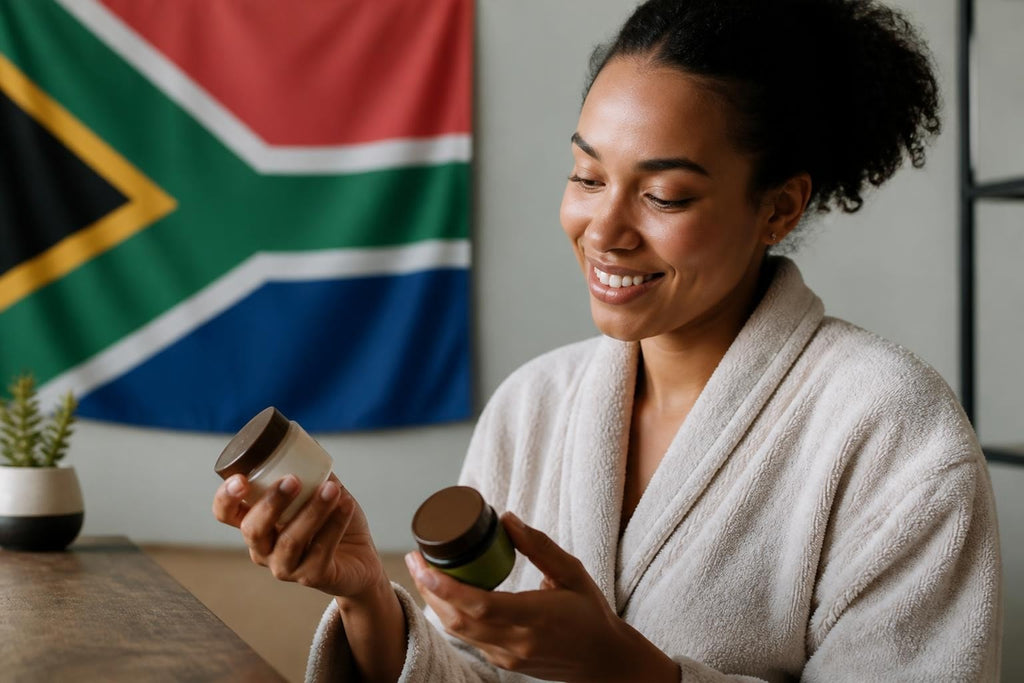
For South Africans living in New Zealand, maintaining connections to home often extends beyond food and snacks to include the beauty products they've trusted for years. Bringing south african beauty products to new zealand involves navigating a comprehensive regulatory framework that ensures consumer safety while allowing access to beloved brands. This guide explores the practical aspects of importing cosmetics, the regulatory landscape, and why these products matter to the South African community in New Zealand.
Understanding New Zealand's Cosmetic Import Framework
New Zealand maintains strict biosecurity and product safety standards for all imported goods, including cosmetics and personal care items. The regulatory pathway for south african beauty products to new zealand depends primarily on how the product is classified.
The classification system distinguishes between cosmetics and therapeutic products, with each category following different regulatory routes. Cosmetics are generally defined as products applied externally for cleansing, beautifying, or altering appearance without making therapeutic claims. Therapeutic products, conversely, make health claims or contain scheduled ingredients requiring additional oversight.
Key Regulatory Bodies
Three primary agencies govern the import of beauty products into New Zealand:
- Medsafe: Oversees therapeutic products and borderline cosmetic classifications
- Environmental Protection Authority (EPA): Manages cosmetic product safety standards and labelling requirements
- Ministry for Primary Industries (MPI): Controls biosecurity and import health standards
Recent changes have reshaped the landscape significantly. The cosmetic products rule changes that took effect on 1 January 2026 introduced updated labelling, safety assessment, and compliance obligations for all cosmetics sold in New Zealand, including imported products.

Popular South African Beauty Brands and Products
South African beauty innovation has earned global recognition, with numerous brands developing formulations suited to diverse skin types and environmental conditions. The demand for these products among New Zealand's South African community reflects both nostalgia and genuine product preference.
Skincare Favourites
Many South Africans seek familiar skincare products that performed well in South Africa's climate. Brands like Clere, Ingrams, and Ponds remain popular choices, particularly for body lotions and hand creams. These products often feature formulations developed specifically for African skin types and conditions.
Sunscreen products from South African manufacturers also maintain strong appeal, as users appreciate formulations tested in South Africa's intense UV environment. The efficacy standards these products meet often exceed minimum requirements, making them reliable choices for New Zealand's own high UV index.
Hair Care Essentials
South African hair care products cater to a wide range of hair textures and types, making them particularly valued by the diverse South African community in New Zealand. Products designed for natural African hair textures, including moisturising shampoos, deep conditioners, and styling products, are frequently requested items.
Traditional hair care brands and newer natural product lines both find enthusiastic audiences. The formulations often incorporate indigenous South African botanicals and traditional ingredients that aren't commonly found in mainstream New Zealand products.
Navigating Import Processes for Commercial Quantities
Businesses importing south african beauty products to new zealand for commercial sale must follow comprehensive import procedures. Understanding the importing process outlined by MPI is essential for compliance and efficient clearance.
Documentation Requirements
| Document Type | Purpose | Issuing Authority |
|---|---|---|
| Commercial Invoice | Declares value and contents | Supplier/Exporter |
| Certificate of Origin | Confirms manufacturing country | South African authority |
| Product Information File | Details ingredients, safety data | Manufacturer |
| Import Entry | Customs clearance | Importer/Customs broker |
| Biosecurity Declaration | Confirms compliance with IHS | Importer |
The Product Information File deserves particular attention. This comprehensive dossier must include ingredient lists, safety assessments, manufacturing processes, and quality control documentation. For products making any functional claims, additional therapeutic product documentation may be required.
Biosecurity Considerations
Beauty products containing plant or animal-derived ingredients face additional scrutiny. The PIER Search database helps importers identify which ingredients or components trigger specific biosecurity controls.
Natural cosmetics featuring indigenous South African plant extracts, for example, require careful documentation proving they meet New Zealand's biosecurity standards. Products containing honey, beeswax, lanolin, or other animal-derived ingredients need appropriate certification confirming they're free from biosecurity risks.
MPI's biosecurity guidance for importers provides practical steps for small-scale importers and larger commercial operations alike. Compliance with these requirements prevents costly delays and ensures smooth customs clearance.
Personal Imports Versus Commercial Operations
The regulatory burden differs significantly between personal imports and commercial operations bringing south african beauty products to new zealand. Understanding these distinctions helps determine the most practical approach for different scenarios.
Personal Use Quantities
New Zealanders and South African expats can import cosmetics for personal use with fewer regulatory hurdles. New Zealand Customs guidelines on receiving items from overseas explain duty thresholds, GST obligations, and quantity limits for personal imports.
Personal imports typically involve:
- Small quantities (three-month supply or less)
- Products for the importer's own use, not resale
- Standard customs declaration processes
- GST and duty payment on values exceeding NZD 1,000
Even personal imports must comply with basic safety standards. Products cannot contain prohibited ingredients or make therapeutic claims requiring Medsafe approval. Importers should verify their chosen products meet New Zealand's cosmetic safety requirements before ordering.
Commercial Import Pathways
Commercial importers operate under more stringent requirements. Businesses must register with appropriate authorities, maintain comprehensive product documentation, and ensure ongoing compliance with labelling and safety standards.
The commercial pathway includes:
- Business registration with New Zealand Companies Office
- Import permits for specific product categories
- Compliance with EPA cosmetic product rules
- Appropriate insurance and liability coverage
- Regular inventory and quality monitoring

Labelling and Compliance Standards
The 2026 cosmetic product rule changes introduced enhanced labelling requirements affecting all south african beauty products to new zealand. These standards ensure consumers receive adequate safety information and can make informed purchasing decisions.
Mandatory Label Elements
All cosmetic products sold in New Zealand must display:
- Product name and intended use
- Complete ingredient list (INCI nomenclature)
- Net contents by weight or volume
- Manufacturer or importer details
- Country of origin
- Batch or lot number
- Use-by date or period after opening
- Any relevant warnings or precautions
Labels must use English language text, though additional languages can be included. Font sizes must meet readability standards, and warnings must appear prominently on the primary display panel.
Ingredient Declaration
Ingredient listings follow International Nomenclature of Cosmetic Ingredients (INCI) standards. This universal system ensures consistency across markets and helps consumers with allergies or sensitivities identify potential irritants.
South African manufacturers typically use INCI labelling already, as the Cosmetic, Toiletry & Fragrance Association of South Africa promotes alignment with international standards. However, importers should verify all labelling meets New Zealand's specific requirements, particularly regarding font size and placement.
Cost Considerations and Pricing
Understanding the full cost structure helps importers price south african beauty products to new zealand competitively while maintaining profitability. Multiple factors influence landed costs beyond the initial purchase price.
Import Duties and Taxes
| Cost Component | Rate/Amount | Applied To |
|---|---|---|
| Product Cost | Variable | Ex-factory price |
| Freight | Variable | Weight/volume |
| Insurance | 1-3% | CIF value |
| Customs Duty | 0-10% | CIF value |
| GST | 15% | CIF + duty |
| Biosecurity Levy | Variable | Risk category |
| Clearance Fees | NZD 50-200 | Per consignment |
Most cosmetic products enter duty-free under New Zealand's tariff schedule, though some categories attract duty rates between 5-10%. GST applies to all imports regardless of value, calculated on the CIF (Cost, Insurance, Freight) value plus any duties.
Freight and Logistics
Shipping costs vary dramatically based on volume, urgency, and service level. Air freight offers speed but costs significantly more per kilogram than sea freight. Consolidation services, where smaller shipments combine into larger containers, often provide cost-effective solutions for regular importers.
Working with experienced freight forwarders familiar with cosmetic imports can prevent costly mistakes. These specialists understand temperature control requirements, documentation needs, and efficient routing options for south african beauty products to new zealand.
The Cultural Connection: Why These Products Matter
Beyond regulatory compliance and logistics, the demand for south african beauty products to new zealand reflects deeper cultural connections. South African expats in New Zealand number in the tens of thousands, forming vibrant communities maintaining strong ties to their heritage.
Nostalgia and Identity
Familiar beauty products provide tangible connections to home. The scent of a particular lotion, the texture of a trusted hair cream, or the packaging of a childhood favourite evokes powerful memories and maintains cultural identity.
This emotional connection parallels the demand for South African groceries and popular South African snack brands. Just as Mrs Ball's Chutney or Ouma Rusks represent taste memories, trusted beauty brands represent sensory connections to South African life.
Product Performance and Trust
Many South Africans genuinely prefer their familiar brands based on performance rather than nostalgia alone. Products formulated for South African conditions often perform exceptionally well in New Zealand's diverse climate zones, from Auckland's humidity to Central Otago's dry conditions.
Trust in established brands also plays a role. When a product has proven effective over years or generations, switching to unfamiliar alternatives feels risky. This trust extends beyond skincare to include household products like Sunlight dishwashing liquid, demonstrating how brand loyalty crosses product categories.

Sourcing Options for South African Beauty Products
New Zealand residents seeking south african beauty products to new zealand have several sourcing options, each with distinct advantages and considerations.
Direct Import from South Africa
Direct purchasing from South African retailers or manufacturers offers the widest product selection. However, individuals must manage shipping, customs clearance, and compliance verification themselves. International shipping costs and extended delivery times can diminish the appeal of this approach.
Currency fluctuations between the South African Rand and New Zealand Dollar add another variable. Favourable exchange rates can make direct imports attractive, while unfavourable rates increase costs substantially.
Local South African Specialty Retailers
Specialty retailers catering to South African communities offer convenient access to familiar products without import complications. These businesses handle regulatory compliance, customs clearance, and inventory management, providing ready-to-purchase products.
Something From Home operates as a South African food store in New Zealand with 2,200 South African products. While primarily focused on food and groceries, the expansion into cosmetics and toiletries demonstrates the demand for comprehensive South African product ranges. This one-stop-shop approach simplifies sourcing for expats seeking multiple product categories.
Online Marketplaces
International marketplaces occasionally stock South African beauty brands, though selection tends toward larger, internationally distributed brands rather than local favourites. Shipping times and costs vary widely, and buyers must verify that products comply with New Zealand standards.
Quality Assurance and Product Authentication
Ensuring authentic, safe products remains paramount when importing south african beauty products to new zealand. Counterfeit cosmetics pose genuine health risks and disappoint consumers expecting genuine brand quality.
Verification Strategies
Legitimate suppliers provide:
- Official brand authorization documentation
- Batch tracking and traceability systems
- Product Information Files with safety assessments
- Proper licensing and business registration
- Transparent ingredient disclosure
Consumers should question suspiciously low prices or suppliers unwilling to provide verification documentation. Authentic South African products command fair prices reflecting quality manufacturing, proper ingredients, and legitimate supply chains.
Safety Standards Alignment
Reputable South African cosmetic manufacturers align with international safety standards, often exceeding minimum requirements. The South African cosmetic industry follows comprehensive regulations ensuring product safety, appropriate testing, and quality manufacturing practices.
Products meeting South African standards generally comply with New Zealand requirements, though importers must verify specific ingredient approvals and labelling compliance. The regulatory guideline for therapeutic products helps determine whether borderline products require additional approvals.
Emerging Trends in South African Beauty Imports
The market for south african beauty products to new zealand continues evolving, with several notable trends shaping demand and availability.
Natural and Indigenous Ingredients
Growing consumer interest in natural, sustainable beauty products has elevated South African brands featuring indigenous botanicals. Ingredients like rooibos, buchu, marula oil, and African potato appear in increasingly sophisticated formulations combining traditional knowledge with modern cosmetic science.
These natural products often face additional biosecurity scrutiny, but their unique positioning and effectiveness justify the regulatory effort for many importers and consumers.
Inclusive Beauty Formulations
South African brands' experience formulating for diverse skin tones and types positions them well in New Zealand's multicultural market. Products designed for melanin-rich skin, textured hair, and specific cultural beauty practices find audiences beyond the South African community.
This broader appeal expands the potential market for south african beauty products to new zealand, supporting larger import volumes and better retail availability.
Sustainable and Ethical Production
Many South African beauty brands emphasise sustainable sourcing, ethical production, and community development. These values resonate strongly with New Zealand consumers prioritising environmental and social responsibility in purchasing decisions.
Products certified by recognised sustainability organisations or supporting South African communities through fair trade arrangements command premium positioning and justify higher price points.
Practical Tips for Successful Imports
Whether importing for personal use or commercial operations, several practical considerations improve outcomes when bringing south african beauty products to new zealand.
Start Small and Test
Begin with modest quantities to test market demand, verify product quality, and refine import processes. Small initial shipments limit financial risk while providing valuable learning experiences about documentation, shipping, and compliance.
Build Supplier Relationships
Reliable South African suppliers make import operations substantially smoother. Strong relationships facilitate accurate documentation, consistent quality, favourable payment terms, and preferential treatment during supply constraints.
Maintain Comprehensive Records
Document everything: purchase orders, invoices, shipping documents, certificates, test results, and correspondence. Comprehensive records support customs clearance, answer regulatory queries, and provide audit trails if questions arise.
Stay Current with Regulations
Cosmetic regulations evolve regularly. Subscribe to updates from Medsafe, EPA, and MPI to remain informed about regulatory changes affecting south african beauty products to new zealand. Industry associations also provide valuable compliance guidance and networking opportunities.
Consider Professional Assistance
Customs brokers, freight forwarders, and regulatory consultants provide expertise that prevents costly mistakes. Their fees often prove economical compared to delays, penalties, or rejected shipments resulting from non-compliance.
Storage and Handling Requirements
Proper storage and handling preserve product quality and ensure compliance with safety standards for south african beauty products to new zealand.
Temperature Control
Many cosmetics require temperature-controlled storage to maintain stability and prevent degradation. Products containing natural ingredients, vitamins, or active compounds prove particularly temperature-sensitive.
Shipping routes should minimise heat exposure, and warehouse facilities should maintain appropriate temperature ranges. Documentation should specify storage requirements, and retailers must honour these specifications.
Shelf Life Management
Cosmetics have finite shelf lives, even when unopened. Batch tracking systems ensure oldest stock sells first, preventing expired products reaching consumers. Period-after-opening (PAO) symbols inform consumers how long products remain safe after first use.
Importers should account for shipping time, customs clearance, and distribution when calculating viable shelf life. Products with short shelf lives may prove uneconomical despite strong demand.
Successfully navigating the import of south african beauty products to new zealand requires understanding regulatory requirements, managing logistics effectively, and appreciating the cultural significance these products hold for the South African community. While primarily known for stocking South African food and snacks, Something From Home recognises the broader needs of Kiwi South Africans seeking familiar products from home, offering a convenient solution for those wanting to maintain connections to their heritage through trusted brands and beloved products.