Sausage Skins NZ: Complete Guide for Home & Commercial Use
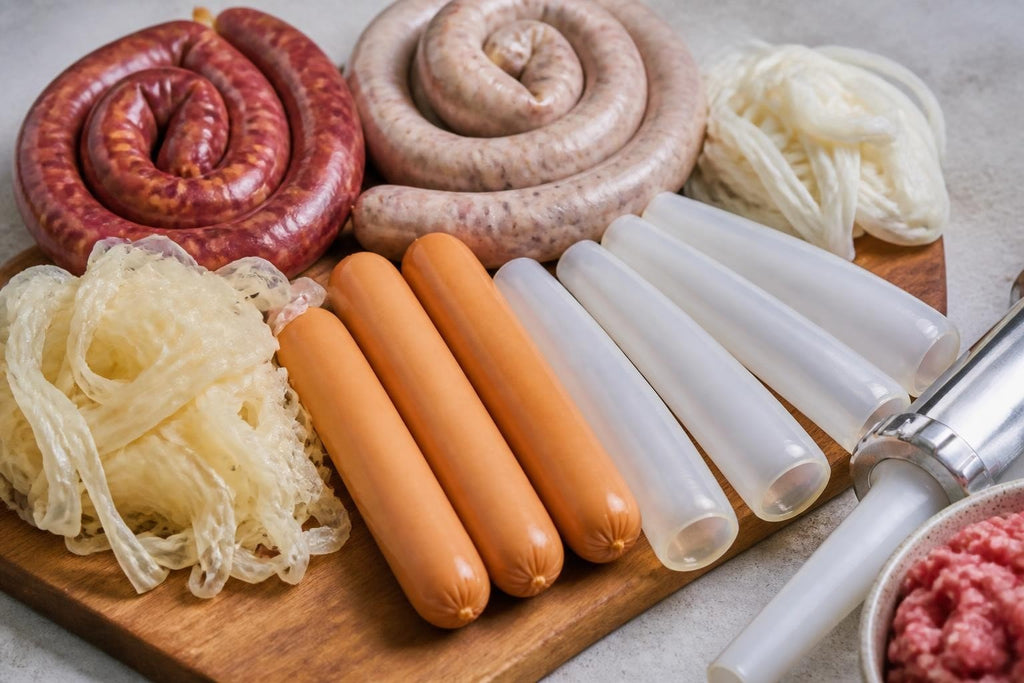
Whether you're a passionate home cook recreating traditional South African boerewors or a commercial butcher sourcing reliable supplies, understanding sausage skins in New Zealand requires navigating product types, import regulations, and quality considerations. The demand for quality sausage casings has grown significantly as more New Zealanders embrace artisanal food preparation and ethnic cuisines that celebrate traditional sausage-making techniques. For South African expats particularly, finding the right casings to make authentic boerewors represents an essential connection to home cooking traditions.
Understanding Sausage Casing Types Available in New Zealand
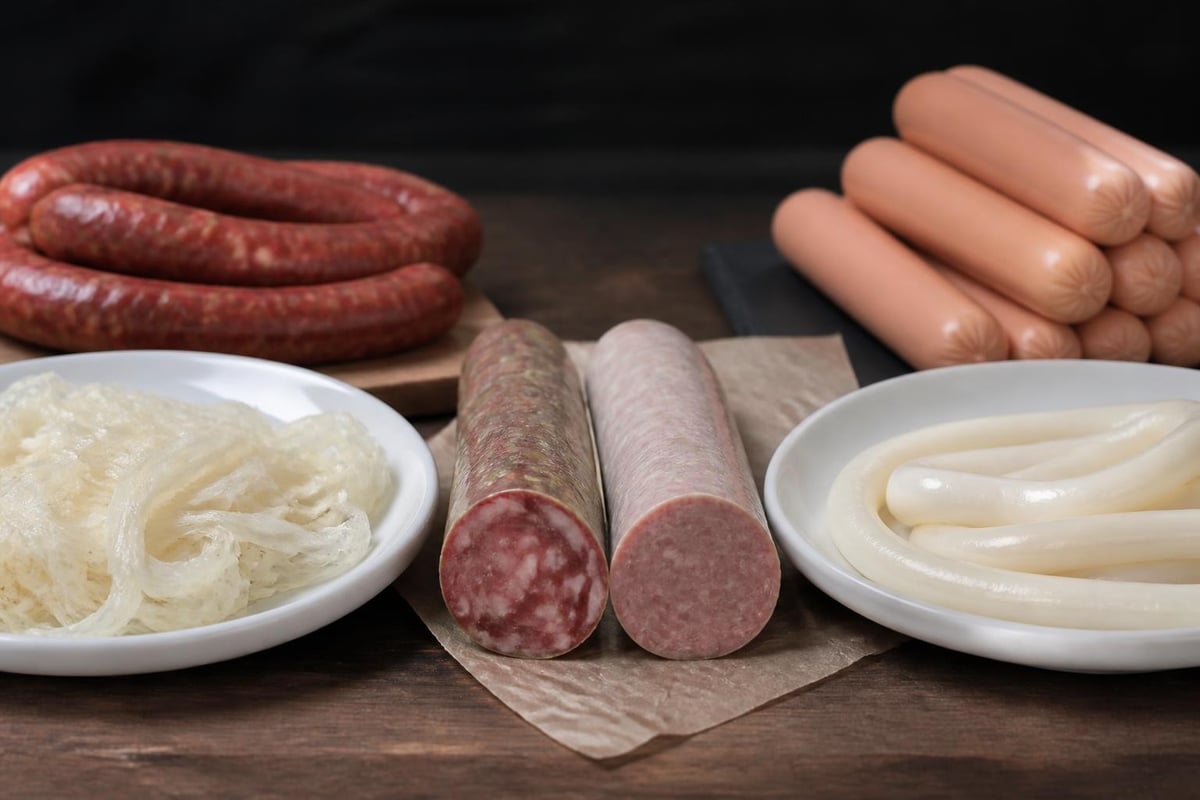
Sausage skins nz come in several distinct categories, each serving different purposes and offering unique characteristics. Natural casings, derived from animal intestines, remain the gold standard for traditional sausage making due to their superior texture and authentic snap. Collagen casings, manufactured from animal collagen, provide consistency and convenience for commercial operations. Synthetic casings, including cellulose and plastic varieties, serve specialised industrial applications.
Natural casings deliver unmatched eating quality and are preferred for premium products. They're permeable, allowing smoke penetration during processing, and shrink proportionally with the meat as it cooks. The New Zealand Casings Company provides detailed guidance on selecting appropriate casing sizes for different sausage types, from thin sheep casings for breakfast links to wide beef rounds for mortadella.
Key Characteristics by Casing Type
| Casing Type | Source | Best Uses | Shelf Life | Cost |
|---|---|---|---|---|
| Natural Sheep | Lamb/sheep intestine | Breakfast sausages, chipolatas | 2 years (salted) | Moderate |
| Natural Hog | Pig intestine | Boerewors, Italian sausage, bratwurst | 2 years (salted) | Moderate |
| Natural Beef | Cattle intestine | Large diameter sausages, salami | 2 years (salted) | Higher |
| Collagen | Bovine collagen | Fresh and smoked sausages | 3+ years | Lower |
| Cellulose | Plant cellulose | Skinless sausages (peeled after cooking) | 3+ years | Lower |
Import Regulations and Biosecurity Requirements
Importing sausage skins nz involves strict biosecurity protocols administered by the Ministry for Primary Industries. Natural casings, being animal products, present potential disease transmission risks that require careful management. The MPI maintains specific import requirements for meat products, including detailed standards for natural sausage casings from various source countries.
The regulatory framework considers bovine spongiform encephalopathy (BSE) risks, foot-and-mouth disease, and other transboundary animal diseases. Scientific assessments, including peer-reviewed opinions on animal health risk-mitigation treatments, inform New Zealand's import health standards. These evaluations examine processing methods such as salting, drying, and chemical treatments that reduce pathogen viability.
Current Import Health Standards
New Zealand's approach to sausage casing imports prioritises risk management without unnecessarily restricting trade. The draft Import Health Standard for Natural Sausage Casings undergoes periodic review to incorporate emerging scientific evidence and international best practices. Commercial importers must ensure suppliers meet specified processing standards and provide appropriate certification.
- Country of origin approval: Casings must originate from countries with acceptable animal health status
- Processing facility registration: Manufacturing plants require MPI recognition
- Treatment verification: Documentation proving appropriate preservation methods
- Veterinary certification: Official health certificates accompanying shipments
- Biosecurity clearance: Border inspection and release procedures
For South Africans living in New Zealand who wish to order African food online, understanding these regulations explains why certain products face availability challenges while others remain readily accessible through established importers.
Selecting Quality Sausage Skins for Home Use
Home sausage makers seeking sausage skins nz should prioritise quality, appropriate sizing, and proper storage. Natural casings deliver superior results for traditional recipes like boerewors, where texture and authenticity matter. The UConn Extension home sausage making guide provides excellent foundational knowledge for beginners navigating casing selection and handling procedures.
Hog casings represent the most versatile choice for home producers. Their 32-35mm diameter suits standard boerewors recipes perfectly, providing the characteristic thickness South African expats remember from home. Sheep casings, ranging from 20-26mm, work beautifully for thinner breakfast sausages or specialty items.
Preparation and Handling Best Practices
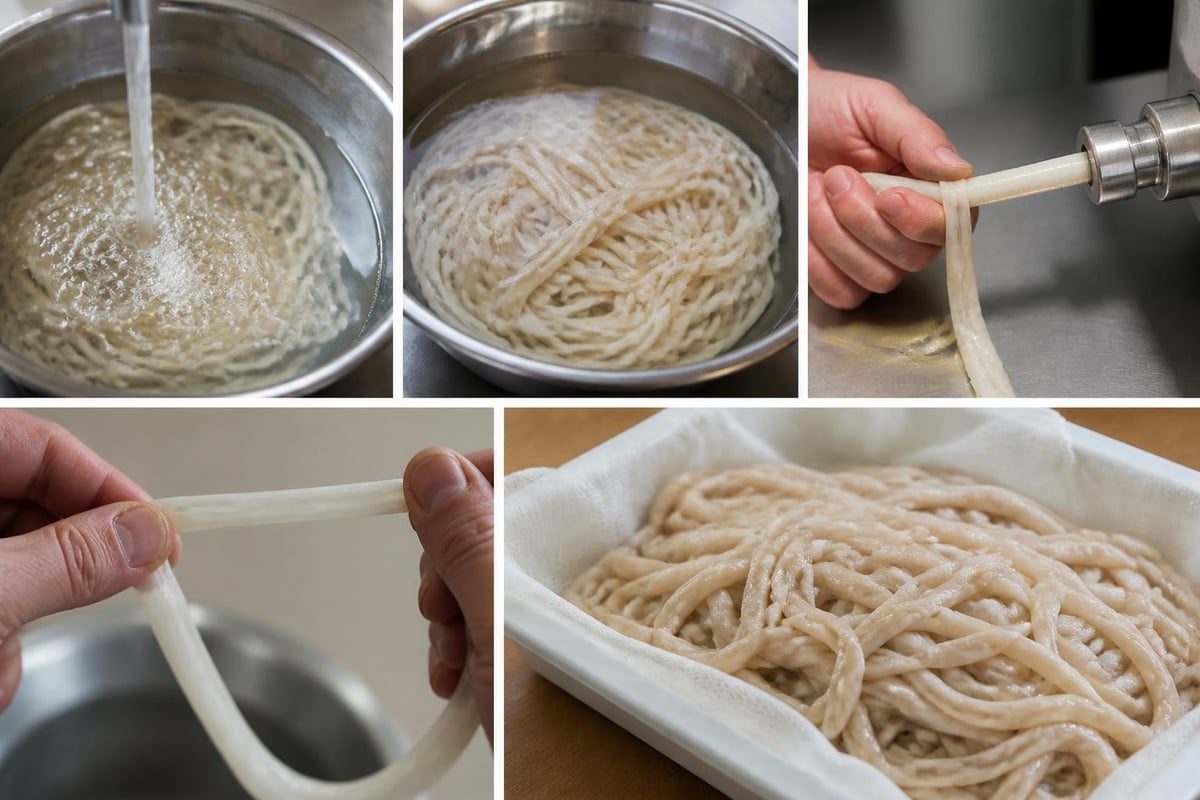
Proper casing preparation significantly impacts your final product quality. Salted natural casings require thorough flushing to remove excess salt and restore pliability.
- Rinse thoroughly under cool running water for several minutes
- Soak in fresh water for 30-60 minutes, changing water at least once
- Flush the interior by running water through the entire length
- Test for holes by filling a section with water and checking for leaks
- Keep moist during stuffing to prevent tearing or splitting
Temperature control matters when working with casings. Keep them refrigerated until use, and maintain cool conditions during stuffing to ensure optimal handling characteristics. Many experienced makers keep a bowl of warm water nearby to periodically dip casings, maintaining ideal flexibility throughout the stuffing process.
Commercial Applications and Industry Standards
Commercial butchers and food processors sourcing sausage skins nz operate under different requirements than home enthusiasts. Volume purchasing, consistent quality standards, and regulatory compliance shape commercial sourcing decisions. The ENSCA Community Guide to Good Practice establishes international benchmarks for hygiene and HACCP principles in natural casing production, providing frameworks that New Zealand processors reference.
Quality assurance protocols for commercial operations include:
- Regular supplier audits and facility inspections
- Batch testing for microbial contamination
- Size consistency verification across deliveries
- Documented traceability from source to finished product
- Temperature monitoring throughout storage and distribution
Commercial producers often establish relationships with multiple suppliers to ensure supply chain resilience. New Zealand's geographic isolation makes backup sourcing arrangements particularly valuable when international supply disruptions occur.
Matching Casings to Production Methods
| Production Method | Recommended Casing | Key Considerations |
|---|---|---|
| Fresh sausage (retail) | Natural hog or collagen | Appearance, price point, shelf life |
| Smoked/dried products | Natural casings only | Smoke penetration, moisture loss |
| Cooked/pre-cooked | Collagen or natural | Processing temperature tolerance |
| High-speed automated | Collagen (edible) | Consistent diameter, mechanical strength |
| Artisanal/specialty | Premium natural | Authenticity, traditional appearance |
For businesses specialising in South African products, maintaining authentic boerewors production requires commitment to traditional methods. Many South African food stores in New Zealand recognise that quality casings represent a fundamental ingredient, not merely packaging material.
Boerewors Traditions and Cultural Significance
For South Africans in New Zealand, boerewors transcends simple food classification-it embodies cultural heritage and social connection. Traditional boerewors requires natural sausage skins nz to achieve authentic texture and appearance. The characteristic continuous coil presentation depends on using appropriately sized hog casings that allow gentle curves without kinking.
Boerewors production follows specific compositional requirements in South Africa, mandating minimum meat content and restricting cereals and other extenders. While these regulations don't apply in New Zealand, South African expats typically seek out authentic recipes that honour traditional standards. The meat mixture's coarse grind, distinctive spice blend featuring coriander and other aromatics, and natural casing all contribute to recognisable authenticity.
Traditional Recipe Requirements
Essential boerewors specifications:
- Meat content: Minimum 90% meat (traditional standard)
- Fat content: 10-30% for proper moisture and flavour
- Cereal/binder: Maximum 10% (often bread or rusk)
- Spices: Coriander seed, black pepper, nutmeg, cloves, allspice
- Casing: Natural hog casings, 32-35mm diameter
- Form: Continuous coil, not linked into individual sausages
The braai collection at Something From Home includes various products supporting traditional South African outdoor cooking, where boerewors serves as the centrepiece alongside other grilled meats and traditional sides.
Making boerewors from scratch represents a meaningful connection to heritage for many South African families abroad. The process brings generations together, transferring knowledge about seasoning balance, meat selection, and proper stuffing technique. Having access to quality sausage skins nz enables these cultural practices to continue despite geographic distance from South Africa.
Storage and Shelf Life Considerations
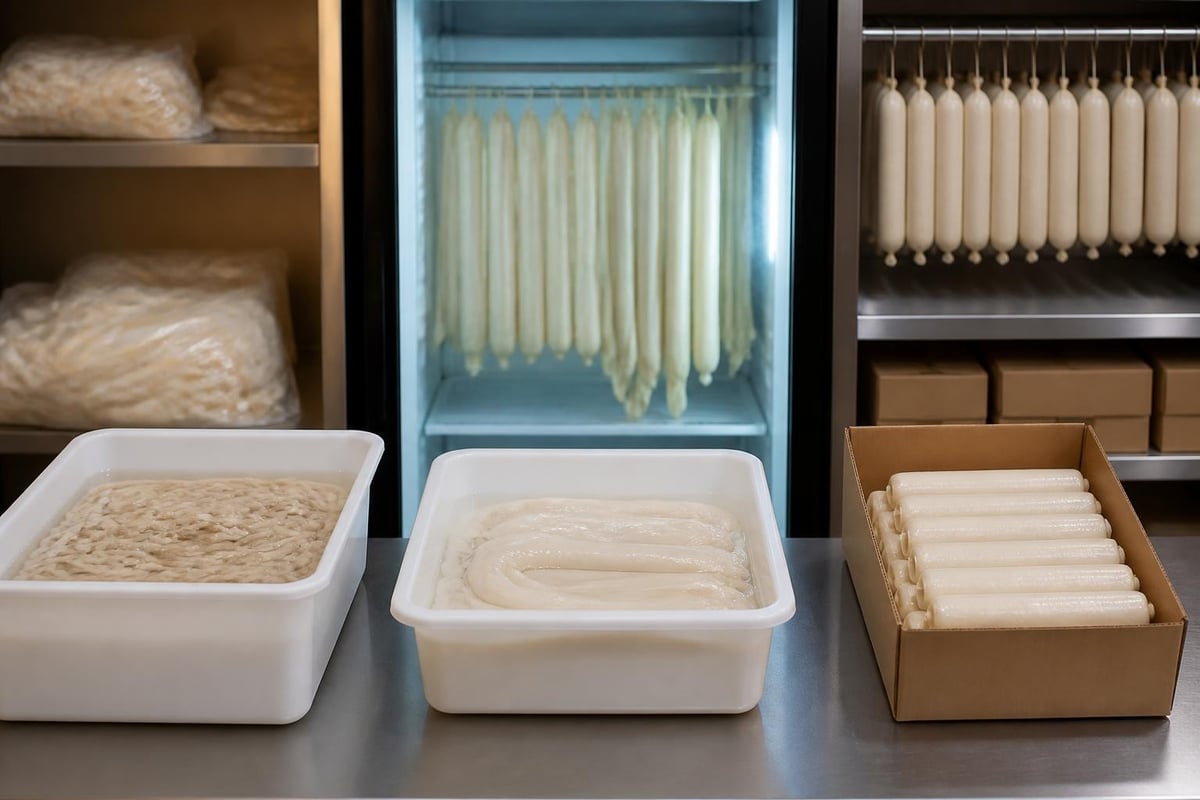
Proper storage extends sausage skin viability and maintains quality characteristics. Natural casings preserved in salt can last two years or more under appropriate conditions, while collagen casings typically offer even longer shelf life. Understanding storage requirements prevents waste and ensures optimal performance when production time arrives.
Salt-packed natural casings require cool, dry storage away from direct sunlight. The salt creates a hostile environment for bacterial growth, effectively preserving the casings indefinitely when moisture doesn't compromise the salt concentration. Once opened, unused portions should be repacked in fresh salt and sealed in airtight containers.
Storage Guidelines by Type
- Natural casings (salted): Cool, dry environment; 0-10°C ideal; check salt integrity monthly
- Natural casings (tubed/water-packed): Refrigeration required; use within expiry date; typically 12-18 months
- Collagen casings: Room temperature acceptable; avoid extreme heat; moisture-proof packaging; 3+ years
- Synthetic casings: Follow manufacturer guidelines; typically room temperature; protect from UV exposure
For home users making occasional batches, purchasing smaller quantities makes practical sense. Commercial operations benefit from bulk purchasing economies but must manage inventory turnover to prevent quality degradation over extended periods.
Sourcing Options Within New Zealand
Finding reliable sausage skins nz suppliers depends on your production scale and quality requirements. Several channels serve different market segments, from industrial processors to weekend hobbyists. Commercial butchery suppliers stock casings alongside other meat processing equipment and ingredients. Specialty food suppliers focus on artisanal production needs. Online retailers provide convenient access for home users requiring smaller quantities.
Established supplier categories include:
- Commercial meat industry suppliers: Bulk quantities, competitive pricing, trade accounts required
- Butchery equipment specialists: Mid-range volumes, processing equipment bundled
- Online retailers: Small quantities, home user focused, convenient delivery
- Import specialists: Direct container imports, lowest per-unit costs for volume buyers
- Local producers: Fresh casings from New Zealand processors, shorter supply chains
South African expats seeking to recreate authentic home flavours often explore multiple sourcing options. While sausage casings may come from commercial suppliers, other essential ingredients connect directly to cultural heritage. Something From Home operates as a South African food store in New Zealand stocking more than 2,200 authentic products, making it easier to source traditional spices, rusks, and other boerewors ingredients alongside everyday South African groceries.
Evaluating Supplier Reliability
Quality consistency matters when selecting sausage skin suppliers. Reputable providers maintain strict handling protocols, appropriate storage conditions, and transparent sourcing documentation. Request samples before committing to large purchases, particularly when trying new suppliers. Evaluate casings for uniform diameter, absence of holes or weak spots, and appropriate salt preservation.
Professional suppliers willingly discuss their quality control procedures, source countries, and processing methods. They understand customer requirements and can recommend specific casing types for particular applications. Building relationships with knowledgeable suppliers provides ongoing value through technical advice and product selection guidance.
Technical Specifications and Sizing
Understanding sausage skins nz sizing nomenclature prevents ordering errors and ensures recipe success. Casing measurements reference diameter ranges in millimetres, with natural casings showing more variation than manufactured alternatives. Size selection impacts both appearance and texture of finished sausages.
Common Casing Sizes and Applications
| Casing Type | Diameter (mm) | Typical Applications | Stuffing Difficulty |
|---|---|---|---|
| Sheep casings | 20-26 | Breakfast links, chipolatas, merguez | Moderate (delicate) |
| Hog casings | 32-35 | Boerewors, bratwurst, Italian sausage | Easy (forgiving) |
| Hog casings (wide) | 38-42 | Chorizo, larger fresh sausages | Easy |
| Beef rounds | 40-45 | Ring bologna, large fresh sausages | Moderate |
| Beef middles | 50-70 | Summer sausage, salami, mortadella | Challenging |
| Beef bungs | 90-120+ | Capacollo, large salamis | Challenging |
Hog casings dominate home production due to their manageable size and forgiving nature. They accommodate minor diameter variations in ground meat and tolerate reasonable handling during stuffing. Sheep casings demand gentler treatment, as their delicate structure tears more easily under excessive pressure or rough handling.
Measurement considerations:
- Natural casings show diameter variation along their length
- "Calibrated" casings undergo sorting for tighter size consistency
- Stuffing technique affects final diameter (loose versus tight packing)
- Collagen casings maintain more uniform diameter than natural alternatives
- Shrinkage during cooking varies by casing type and cooking method
When ordering sausage skins nz for specific recipes, communicate clearly about intended applications. Suppliers experienced with both commercial and home users can guide appropriate selections based on equipment capabilities and desired outcomes.
Health and Safety in Home Processing
Safe sausage production requires attention to hygiene, temperature control, and proper handling throughout the process. While commercial operators follow mandatory HACCP protocols, home producers should adopt similar principles adapted to smaller scale operations. Contamination risks exist at multiple stages, from raw meat handling through stuffing and storage.
Critical control points include:
- Raw meat handling: Maintain refrigeration until processing; prevent cross-contamination
- Equipment sanitation: Thoroughly clean grinders, stuffers, and work surfaces
- Temperature management: Keep meat below 4°C during preparation; chill equipment
- Casing preparation: Ensure thorough rinsing and sanitary soaking containers
- Stuffing environment: Work in clean, cool conditions; minimise time at room temperature
- Cooking verification: Achieve safe internal temperatures; use calibrated thermometers
- Storage protocols: Rapid cooling after cooking; proper refrigeration or freezing
Sausage skins themselves, when properly preserved and handled, present minimal contamination risk. The salt-curing process creates inhospitable conditions for pathogens. However, once rinsed and soaked, casings require the same careful handling as other perishable ingredients.
Home processors should educate themselves on safe meat handling practices before attempting sausage production. Resources like the UConn Extension materials provide science-backed guidance applicable to home kitchens, covering equipment selection, recipe formulation, and processing procedures.
Equipment Essentials for Sausage Making
Successfully working with sausage skins nz requires appropriate equipment beyond the casings themselves. Investment levels range from modest hand-operated tools to sophisticated electric systems, depending on production volumes and commitment to the craft. Starting with quality basics prevents frustration and supports skill development.
Minimum Equipment Requirements
Essential tools for beginning sausage makers:
- Meat grinder: Manual or electric; choose grinding plate sizes appropriate to recipe
- Sausage stuffer: Vertical or horizontal; various cylinder sizes accommodate different batch volumes
- Casing horn/nozzle: Multiple diameters to match different casing sizes
- Mixing containers: Non-reactive materials; sufficient capacity for batch sizes
- Sharp knives: Trimming casings, portioning finished products
- Thermometer: Monitoring meat temperature, verifying cooking temperatures
- Kitchen scale: Accurate ingredient portioning, especially for seasonings
Quality stuffers make dramatic differences in results and user experience. Horizontal cylinder stuffers typically provide better control than grinder attachments, producing more consistent pressure and fewer air pockets. Vertical stuffers offer excellent value for serious home users, delivering commercial-style performance at accessible prices.
Many South African families passionate about maintaining food traditions invest in proper equipment that enables regular production. The ability to create authentic boerewors whenever desired, rather than relying on sporadic availability through specialty suppliers, justifies equipment costs for committed home processors.
Troubleshooting Common Casing Issues
Even experienced sausage makers occasionally encounter problems with casings. Understanding common issues and their solutions improves results and reduces waste. Most casing challenges trace to preparation errors, equipment problems, or technique deficiencies rather than actual casing defects.
Frequent problems and remedies:
| Problem | Likely Cause | Solution |
|---|---|---|
| Casings tearing during stuffing | Insufficient soaking; overstuffing; rough handling | Extend soaking time; reduce pressure; lubricate nozzle |
| Air pockets in finished sausages | Improper stuffer technique; air in meat mixture | Prick with sterile needle; mix thoroughly; purge stuffer |
| Casings slipping off nozzle | Casing too wet; nozzle too smooth | Pat dry slightly; apply light oil to nozzle |
| Uneven diameter | Inconsistent pressure; variable meat texture | Maintain steady cranking/pumping; ensure thorough mixing |
| Casings too salty/tough | Inadequate rinsing | Extend soaking time; change water multiple times |
| Casing breaks after cooking | Overstuffed; cooked too aggressively | Stuff less tightly; use gentle heat; add moisture |
Experience reduces these issues dramatically. First attempts rarely produce perfect results, but each batch teaches valuable lessons about pressure control, appropriate stuffing density, and handling techniques. Patience during preparation stages prevents most common problems.
When sourcing sausage skins nz, don't hesitate to contact suppliers with questions about preparation and usage. Knowledgeable providers appreciate serving educated customers and often share tips developed through years of industry experience.
Cultural Connection Through Food Preservation
For South African communities in New Zealand, traditional food preparation represents more than sustenance. It maintains cultural identity, teaches younger generations about heritage, and creates social bonds through shared experiences. Making boerewors connects families to ancestors who developed these recipes through generations of refinement.
The deliberate process of sausage making-selecting quality meat, blending spices according to treasured ratios, stuffing casings with care-creates mindfulness often missing from modern convenience-focused eating. These practices honour the resourcefulness of previous generations who wasted nothing and celebrated meat through careful preservation and flavouring.
Cultural preservation through traditional food:
- Passing recipes and techniques between generations
- Gathering family members for communal food preparation
- Maintaining taste memories connecting to childhood and homeland
- Teaching children about heritage through hands-on participation
- Creating occasions for storytelling and cultural education
Many South African expats in New Zealand actively seek opportunities to maintain these connections. Finding South African stores near me becomes more than shopping-it represents accessing the ingredients and products that enable cultural continuity despite geographic distance.
The availability of proper ingredients, including quality sausage skins nz, determines whether traditional practices remain viable or gradually fade. When authentic components remain accessible, food traditions thrive across generations and geography.
Environmental and Sustainability Considerations
Natural sausage casings represent a sustainable byproduct of meat processing, utilising animal parts that might otherwise become waste. This aligns with traditional whole-animal utilisation philosophies that modern sustainability advocates champion. Understanding the environmental profile of different casing types helps conscious consumers make informed choices.
Environmental comparison:
- Natural casings: Biodegradable; utilise existing byproducts; minimal processing; require animal agriculture
- Collagen casings: Biodegradable; manufactured product; moderate processing energy; animal-derived
- Cellulose casings: Plant-based; removed before eating; industrial processing; moderate environmental footprint
- Plastic casings: Non-biodegradable; petroleum-based; lowest food waste but packaging concern
From a circular economy perspective, natural casings exemplify efficient resource use. Livestock raised primarily for meat yields additional valuable products, maximising the value obtained from each animal and reducing overall waste. The traditional salt preservation method requires no refrigeration during storage, further reducing environmental impact compared to fresh-packed alternatives.
South African food culture traditionally emphasises whole-animal utilisation and minimal waste, values that resonate with contemporary sustainability concerns. Modern South African households in New Zealand can maintain these heritage practices while aligning with current environmental consciousness.
Whether you're recreating authentic boerewors for a weekend braai or exploring artisanal sausage making as a serious hobby, understanding sausage skins nz empowers better decisions about sourcing, preparation, and technique. Quality casings combined with traditional recipes and proper handling deliver results that honour South African culinary heritage while satisfying contemporary tastes. When you're ready to source the authentic South African ingredients that complement your sausage-making endeavours, Something From Home offers more than 2,200 South African products delivered throughout New Zealand, helping you maintain those treasured food traditions no matter how far from home you've travelled.