Sausage Casings Guide: Types, Uses & South African Traditions
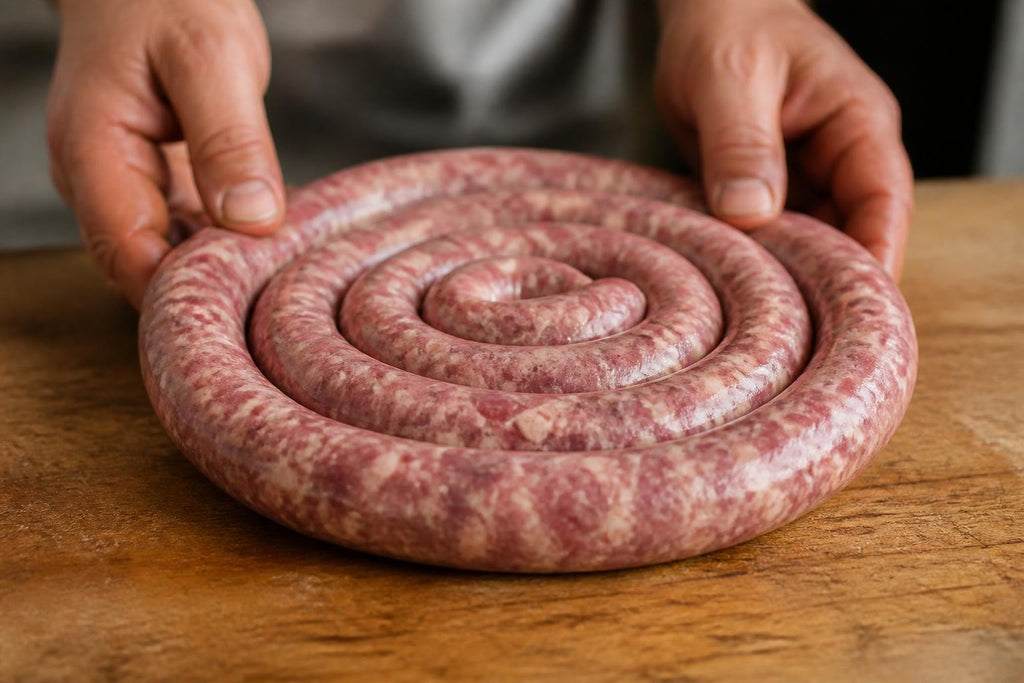
Sausage casings form the foundation of countless beloved meat products across cultures, from traditional European salamis to South African boerewors. These protective shells not only hold ingredients together during cooking but also influence texture, flavour development, and cooking characteristics. For South Africans living in New Zealand, understanding sausage casings deepens appreciation for authentic boerewors and other traditional sausages that connect them to home. Whether you're a passionate home cook recreating family recipes or simply curious about the craft behind your favourite sausages, exploring the world of casings reveals fascinating food science and cultural heritage.
Understanding Natural Sausage Casings
Natural sausage casings have been used for thousands of years, sourced primarily from the intestinal tracts of sheep, pigs, and cattle. These traditional materials remain the gold standard for many artisan sausage makers and home enthusiasts who value their unique properties.
The popularity of natural casings stems from several distinctive advantages:
- Breathability that allows moisture to escape during cooking and curing
- Tender texture that provides a satisfying snap when bitten
- Natural curvature that creates authentic sausage appearance
- Flavour permeability enabling smoke and seasonings to penetrate effectively
Sheep Casings
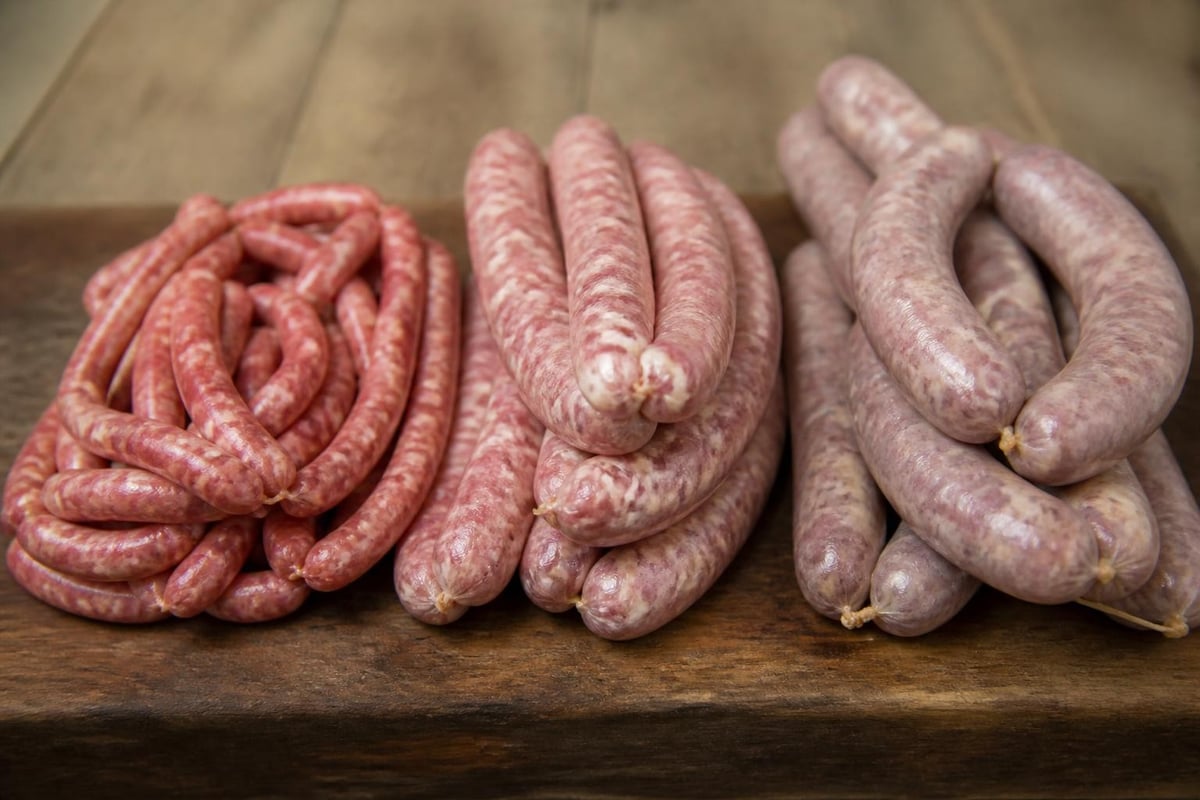
Sheep casings represent the smallest diameter natural option, typically measuring 20-26 millimetres. These delicate casings are ideal for breakfast sausages, chipolatas, and similar smaller products. Their thin walls provide minimal resistance when eating, making them particularly suited to fresh sausages consumed shortly after preparation.
Hog Casings
Hog casings dominate commercial and home sausage production due to their versatility and availability. Measuring 32-42 millimetres in diameter, they accommodate most fresh sausage recipes including South African boerewors, bratwurst, and Italian sausages. According to FAO guidance on slaughtering and meat processing, proper handling and preparation of hog casings significantly affects final product quality and shelf life.
The strength and elasticity of hog casings make them forgiving for novice sausage makers while still delivering professional results. They withstand the stuffing process without tearing and maintain integrity during cooking.
Beef Casings
Beef casings include several types sourced from different parts of the bovine digestive system. Beef rounds (small intestine) measure 38-46 millimetres, beef middles reach 50-100 millimetres, and beef bungs can exceed 100 millimetres in diameter. These larger casings suit salami, summer sausage, and traditional dried sausages requiring extended curing periods.
The thickness of beef casings provides excellent protection during long fermentation and drying processes, though they require more aggressive seasoning penetration and longer cooking times than thinner alternatives.
Manufactured Sausage Casings
Modern food technology has created several manufactured casing options that address specific production challenges, cost considerations, and dietary requirements. These alternatives offer consistency and convenience that natural casings sometimes cannot match.
Collagen Casings
Collagen casings derive from the collagen found in animal hides and bones, processed and reformed into tubular shapes. Research published in PLOS ONE comparing collagen and natural pig casings demonstrates how casing choice affects fermented sausage quality and chemical development during production.
| Casing Type | Diameter Range | Primary Applications | Key Benefits |
|---|---|---|---|
| Collagen | 15-38mm | Fresh sausages, snack sticks | Uniform size, pre-shirred convenience |
| Natural Hog | 32-42mm | Boerewors, bratwurst, Italian | Traditional texture, breathable |
| Cellulose | 15-130mm | Hot dogs, dry sausages | Easy peeling, moisture barrier |
| Fibrous | 50-200mm | Summer sausage, bologna | High strength, smoke penetration |
The technical background on collagen in sausage casings from the American Meat Science Association explains the chemistry and production methods that have made these casings industry staples since the 1970s.
Cellulose Casings
Cellulose casings are manufactured from plant fibres and primarily used for products where the casing is removed before consumption. Skinless hot dogs and frankfurters typically start their production journey in cellulose casings that peel away easily after cooking and cooling.
These casings provide a smooth, uniform surface and create consistent products ideal for high-volume commercial production. However, they lack the edible qualities and textural contributions that natural or collagen casings offer.
Synthetic and Fibrous Casings
Fibrous casings combine cellulose with paper reinforcement, creating strong casings for large-diameter products. They accept printing well, making them popular for branded deli meats and cooked sausages requiring labels directly on the casing.
Plastic casings made from polyamide or other polymers serve specialized applications, particularly in moisture-sensitive products or items requiring extended shelf life through superior barrier properties.
Sausage Casings in South African Food Culture
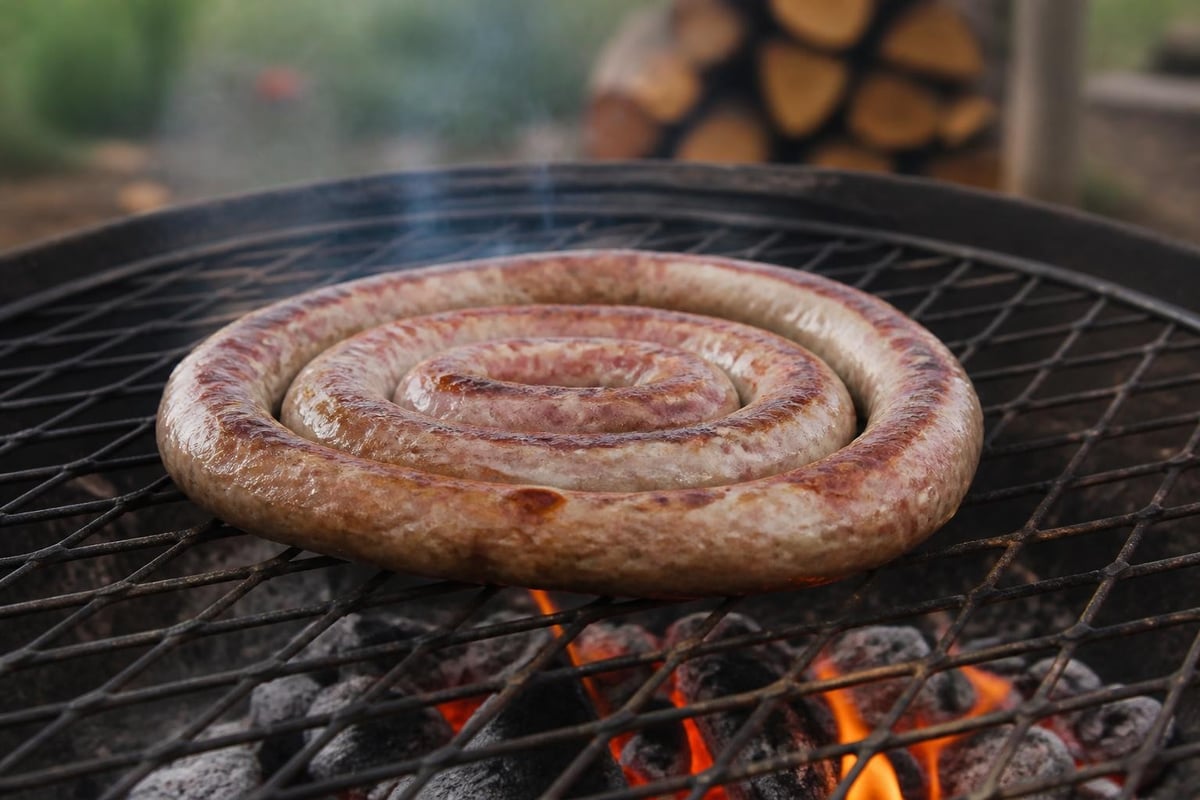
South African sausage traditions centre predominantly on boerewors, a coiled sausage deeply embedded in braai culture and national identity. The casing choice for authentic boerewors is non-negotiable among purists: natural casings, preferably hog, maintain traditional texture and cooking characteristics.
Boerewors and Traditional Standards
Authentic boerewors must contain at least 90% meat content with specific spice profiles including coriander, black pepper, nutmeg, and cloves. The natural casing allows fat to render properly during grilling while maintaining structural integrity. This breathability prevents the splitting that often occurs with non-permeable synthetic alternatives.
South Africans living abroad often struggle to find proper casings for home boerewors production. When searching for a South African food store in New Zealand, expats seek suppliers who understand these specific requirements and stock appropriate materials alongside traditional spices and accompaniments.
Regional Variations
Different regions of South Africa developed unique sausage traditions beyond boerewors. Droëwors, the dried sausage cousin of boerewors, relies on natural casings that permit moisture loss during the drying process while protecting the meat from contamination.
Traditional farmers' sausages and specialty regional variations each demand specific casing characteristics. The cultural knowledge surrounding proper casing selection and preparation passes through generations, preserving techniques that define South African meat craft.
Selecting the Right Casing for Home Production
Choosing appropriate sausage casings requires matching the casing properties to your intended product, equipment capabilities, and desired final characteristics. Home sausage makers must consider several practical factors before purchasing materials.
The University of Connecticut Extension guide to home sausage making provides comprehensive advice on casing selection, storage, and handling for small-scale producers and hobbyists working outside commercial facilities.
Fresh vs. Dried Sausages
Fresh sausages intended for immediate cooking require casings that withstand stuffing and basic cooking without additional durability. Natural hog casings or edible collagen casings work excellently for fresh products consumed within days of production.
Dried and fermented sausages demand casings with specific moisture transmission properties. Natural casings allow controlled drying while protecting against exterior contamination. The casing must shrink proportionally with the meat as moisture evaporates, maintaining close contact and preventing air pockets.
Equipment Considerations
Manual sausage stuffers work well with pre-flushed natural casings or collagen alternatives. The key is ensuring casings slide smoothly over stuffing tubes without resistance that could cause tearing. Soaking natural casings in lukewarm water for 30 minutes before use restores pliability and reduces breakage during stuffing.
Electric stuffers provide consistent pressure that accommodates wider casing varieties, including tougher fibrous options. However, pressure control remains critical as excessive force bursts even robust casings.
Innovations in Casing Technology
Recent developments in food science have introduced novel casing concepts that address sustainability concerns, dietary restrictions, and production efficiency. These innovations reshape how manufacturers and artisans approach sausage production.
A Frontiers perspective on edible and engineered casings explores emerging extrusion approaches where casings form simultaneously with sausage production, improving uniformity and reducing handling steps.
Alginate and Plant-Based Options
Alginate casings derived from seaweed offer vegetarian-friendly alternatives that appeal to flexitarian consumers and those avoiding animal products. These casings provide structure similar to collagen but originate entirely from plant sources.
While alginate casings serve growing market segments, they behave differently during cooking compared to traditional materials. Understanding these differences helps producers set appropriate expectations and adjust recipes accordingly.
Edible Films and Coatings
Research into edible films explores creating ultra-thin protective barriers applied directly to sausage surfaces without traditional casing structures. These innovations could revolutionize production efficiency while reducing waste.
However, traditional casing advocates argue that these technologies sacrifice the textural qualities and cultural authenticity that define heritage sausages. The debate between innovation and tradition continues shaping the industry's future direction.
Regulatory and Safety Considerations
Food safety regulations govern casing production, handling, and labelling to protect consumers and ensure product quality. Different jurisdictions maintain specific requirements that processors must satisfy before market entry.
Documentation from Codex regarding colours and additives in meat products provides regulatory context on what may be permitted or declared in casings and finished sausages across international markets.
Labelling Requirements
Products using non-edible casings must clearly indicate when consumers should remove the casing before consumption. Conversely, edible casings require disclosure of source materials to accommodate dietary restrictions and allergen concerns.
Natural casings typically require minimal labelling beyond identifying the animal source. Manufactured casings may contain additives, plasticizers, or processing aids that warrant declaration under consumer protection regulations.
Storage and Handling
Proper casing storage prevents spoilage and maintains functionality. Salted natural casings packed in barrels can last years when stored in cool, dry conditions. Once opened and flushed, natural casings require refrigeration and use within weeks to prevent degradation.
Manufactured casings generally offer longer shelf life and less demanding storage conditions. However, exposure to moisture, extreme temperatures, or direct sunlight can compromise structural integrity and performance.
Connecting South African Food Traditions in New Zealand
South Africans relocating to New Zealand often experience profound longing for familiar food traditions that defined their childhood and cultural identity. The simple act of preparing boerewors using proper natural casings becomes more than cooking; it represents maintaining connection to heritage and sharing culture with new communities.
African food online shopping has transformed accessibility for expats seeking authentic ingredients. Rather than compromising with local alternatives that approximate but never quite capture traditional flavours, expatriates can now source genuine South African products including spices, condiments, and specialty items.
Building Community Through Food
Braais and traditional South African gatherings in New Zealand often centre on properly prepared boerewors, biltong, and other heritage foods. These events create community bonds among expats while introducing Kiwi friends to South African culinary traditions.
Access to proper ingredients and materials, including quality sausage casings, enables authentic preparation rather than disappointing approximations. The difference between genuine boerewors in natural casings versus substitutes made with whatever's available locally is immediately apparent to anyone who grew up with the real thing.
Practical Sourcing Solutions
Finding specialized South African ingredients in New Zealand once required tedious searching, compromise, or expensive international shipping. Modern solutions have emerged through dedicated suppliers who understand expat needs and stock comprehensive product ranges.
Something From Home operates as a South African food store in New Zealand with more than 2,500 South African products, serving the expatriate community's need for authentic tastes and familiar brands. While sausage casings represent specialized equipment beyond typical grocery items, the availability of proper South African spice blends, Mrs Balls Original Chutney, Scalli's Worcester Sauce Braai Spice, and other essential accompaniments ensures that when you do make boerewors, the entire experience remains authentically South African.
Techniques for Working with Different Casings
Successful sausage production requires mastering specific techniques suited to each casing type. Understanding these methods prevents frustration and produces superior results regardless of experience level.
Preparing Natural Casings
Natural casings arrive preserved in salt, requiring thorough flushing before use. Run cool water through the entire length, checking for holes or weak spots that could fail during stuffing. Soak prepared casings in lukewarm water with a splash of vinegar to restore maximum pliability.
The flushing process also removes excess salt and any residual preservation materials, preventing off-flavours in finished sausages. Properly prepared natural casings slide smoothly onto stuffing tubes and accept filling without resistance.
Stuffing Techniques
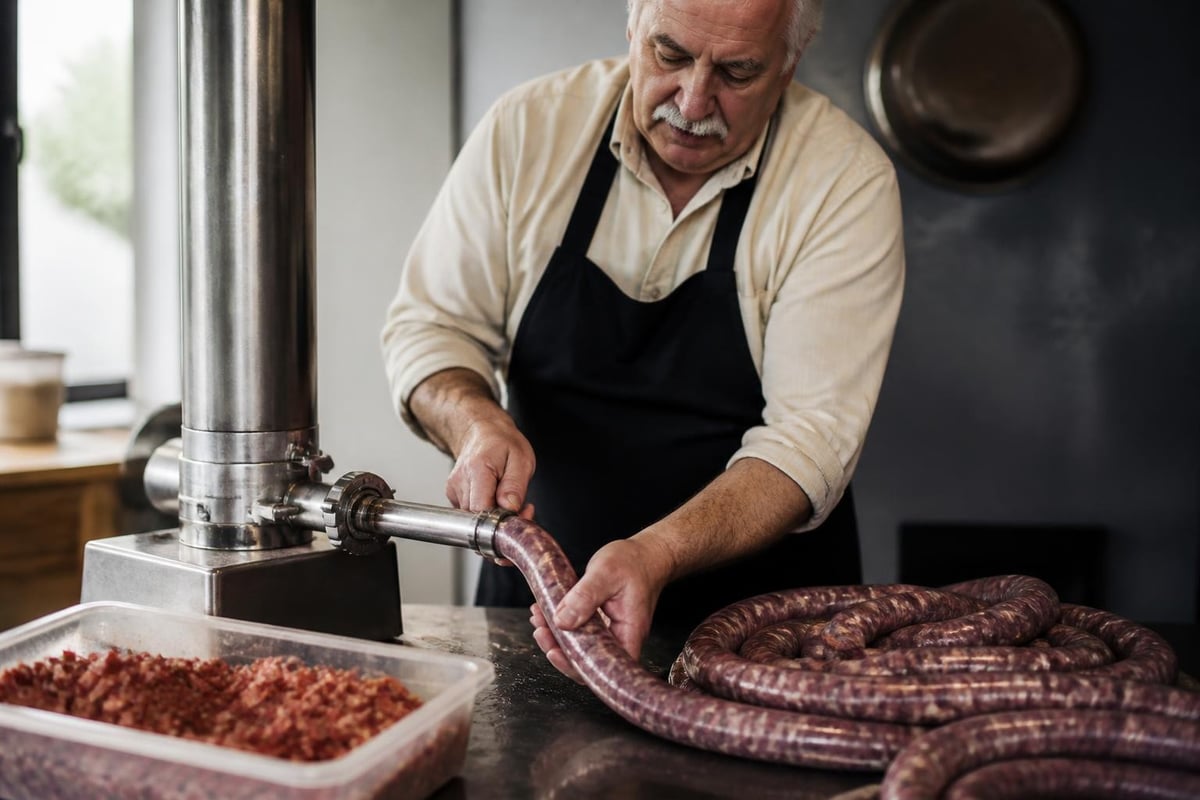
Consistent stuffing pressure creates uniform sausages without air pockets or density variations. Fill casings firmly but avoid overstuffing, which causes bursting during cooking as proteins contract and fat renders.
Leave adequate space at casing ends for linking or tying. Traditional boerewors forms a continuous coil rather than individual links, but proper end sealing remains essential to prevent filling loss during handling and cooking.
Linking and Presentation
Creating uniform links requires practice and rhythm. Pinch the filled casing at regular intervals, rotating alternating links in opposite directions to prevent unwinding. The twisting motion should be confident and complete to maintain separation during cooking.
South African boerewors traditionally forms a continuous spiral, with the entire coil cooked as one piece. This presentation method showcases the sausage's length and creates visual impact when served at braais or family gatherings.
Troubleshooting Common Casing Issues
Even experienced sausage makers encounter occasional problems with casings. Recognizing common issues and their solutions prevents waste and improves consistency.
Bursting during stuffing typically results from overfilling, insufficient soaking of natural casings, or damaged casing material. Reduce stuffing pressure, extend soaking time, and inspect casings carefully before use to minimize this frustrating problem.
Casings slipping off the stuffing tube indicate inadequate moisture or incompatible diameter matching. Ensure natural casings remain wet throughout stuffing and select tube sizes that provide secure fit without excessive stretching.
Uneven filling creates dense and loose sections that cook inconsistently. Maintain steady pressure throughout stuffing and use both hands to guide casing evenly off the tube as filling enters.
Cooking Problems
Casings splitting during cooking often result from excessive heat, insufficient pricking of air pockets, or overstuffed sausages. Cook fresh sausages over moderate heat, allowing gradual rendering and protein coagulation. Pierce any visible air bubbles before cooking to prevent pressure buildup.
Natural casings occasionally develop tough texture when exposed to high direct heat. Indirect cooking methods or moderate temperature control preserve the tender snap that makes natural casings desirable.
Cultural Preservation Through Traditional Methods
Maintaining traditional sausage-making techniques, including proper casing selection and handling, preserves cultural knowledge that might otherwise fade as younger generations adopt convenient commercial alternatives. The skills involved in preparing homemade boerewors or droëwors represent living heritage passed through demonstration and practice.
South African food culture encompasses far more than recipes; it includes techniques, seasonal rhythms, and social contexts that give meaning to particular dishes. The communal aspect of boerewors preparation, where family members gather to mix, season, stuff, and coil sausages, creates memories and transfers knowledge that written recipes cannot capture.
For expatriate communities in New Zealand, these traditions take on additional significance. Preparing traditional foods using authentic methods becomes an act of cultural maintenance and identity affirmation. Children born in New Zealand who learn to make proper boerewors from parents or grandparents inherit tangible connections to South African heritage.
Teaching the Next Generation
Passing sausage-making skills to younger family members requires patience and hands-on involvement. Starting with simple fresh sausages builds confidence before advancing to more demanding dried products or complex spice blends.
The process teaches valuable lessons beyond cooking: respecting food traditions, understanding ingredient quality, working with natural materials, and appreciating the effort behind foods often taken for granted. These lessons resonate throughout life, shaping attitudes toward food, culture, and heritage.
Understanding sausage casings reveals the craft and cultural significance behind beloved sausages worldwide, particularly South African boerewors that holds special meaning for expatriate communities. Whether you're recreating family recipes or exploring traditional techniques for the first time, choosing appropriate casings and mastering proper handling methods ensures authentic results that honour food heritage. For South Africans in New Zealand seeking the authentic spices, condiments, and accompaniments that complete traditional sausage dishes, Something From Home provides access to more than 2,500 genuine South African products, helping maintain those precious connections to home through food.