Rusks NZ: A South African Tradition in New Zealand
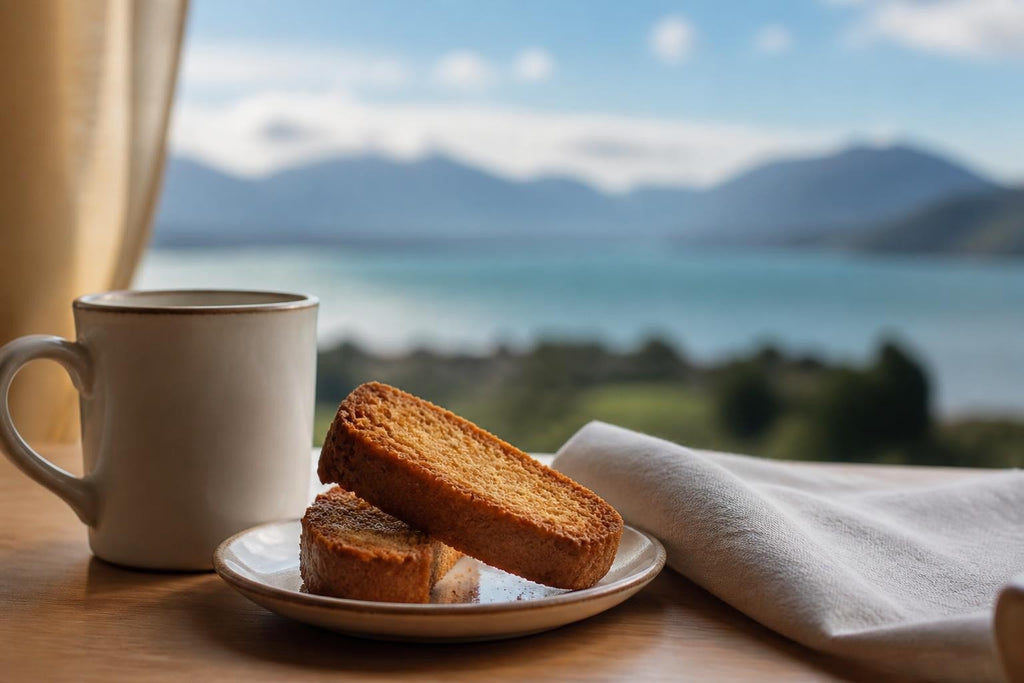
For South Africans living in New Zealand, few foods evoke the warmth of home quite like a perfectly twice-baked rusk dunked into a steaming cup of tea or coffee. This humble baked good represents more than just a breakfast staple; it embodies a cherished cultural tradition that has travelled across continents. The growing demand for rusks NZ reflects the vibrant South African community seeking familiar tastes in their adopted homeland, with specialty stores now stocking everything from classic buttermilk varieties to distinctive flavours like condensed milk and muesli.
The Cultural Significance of Rusks in South African Cuisine
Rusks occupy a unique position in South African food culture, transcending simple categorization as biscuits or bread. These twice-baked treats emerged from Dutch and British colonial influences, evolving into a distinctly South African product over centuries. The traditional method involves baking a sweet, dense bread enriched with buttermilk or yoghurt, then slicing and slowly drying the pieces in a low oven until they achieve their characteristic hardness.
The ritual of dunking rusks has become deeply embedded in South African daily life. Morning tea breaks, afternoon visits with friends, and quiet moments of reflection all feature this comforting practice. The texture transforms from nearly rock-hard to pleasantly soft when soaked in hot liquid, releasing subtle sweetness and buttery flavours.
Why South Africans in New Zealand Seek Out Rusks
Moving to New Zealand presents numerous adjustments for South African immigrants and expats. While New Zealand offers excellent local products, certain items simply cannot be replicated. The specific taste profile of South African rusks-slightly sweet, substantial, and designed for dunking-differs fundamentally from New Zealand's biscuit offerings.
Key reasons South Africans search for rusks NZ include:
- Nostalgia and comfort: Familiar foods provide emotional connection to home
- Morning rituals: Maintaining beloved daily routines in a new country
- Social traditions: Sharing rusks during gatherings recreates cultural experiences
- Introducing heritage: Passing food traditions to children born in New Zealand
- Dietary preferences: Many rusks contain wholesome ingredients like buttermilk and wheat
This desire for authentic products has created a robust market for South African groceries across New Zealand's major centres, from Auckland to Wellington and Christchurch.

Popular Rusk Varieties Available in New Zealand
The rusks NZ market encompasses several distinct categories, each serving different preferences and occasions. Understanding these varieties helps shoppers select the perfect option for their households.
Traditional Buttermilk and Plain Rusks
Classic buttermilk rusks represent the gold standard. Made with wheat flour, butter, sugar, and buttermilk or cultured milk products, these rusks deliver the authentic taste most South Africans remember. The buttermilk creates a tender crumb before the second baking, while contributing a subtle tang that balances the sweetness.
Plain or "whole wheat" rusks appeal to those seeking less sugar and more fibre. These varieties often incorporate additional grains and seeds, providing nutritional benefits alongside traditional flavour.
Specialty Flavoured Rusks
Modern rusk production has expanded beyond traditional recipes to include innovative flavours. Ouma rusks coconut offer tropical notes, while malva pudding rusks recreate the beloved South African dessert in portable form. Condensed milk rusks provide intense sweetness, and muesli varieties incorporate dried fruit, nuts, and oats for added texture and nutrition.
| Rusk Type | Flavour Profile | Best For | Sugar Content |
|---|---|---|---|
| Buttermilk | Subtly tangy, classic | Daily enjoyment | Moderate |
| Whole Wheat | Nutty, hearty | Health-conscious consumers | Lower |
| Condensed Milk | Very sweet, creamy | Special treats | Higher |
| Muesli | Fruity, nutty, textured | Breakfast alternative | Moderate to higher |
| Coconut | Tropical, sweet | Variety seekers | Moderate to higher |
Baby and Teething Rusks
Baby rusks serve a different purpose entirely. Designed for infants transitioning to solid foods, these products must meet strict nutritional standards. Research examining complementary foods in New Zealand supermarkets shows that rusks are commonly introduced early in infant diets, though parents should carefully evaluate sugar and sodium content.
Quality teething rusks dissolve gradually when moistened with saliva, reducing choking risk while soothing tender gums. The New Zealand Food Composition Tables provide detailed nutritional data for various teething rusks, enabling parents to make informed choices. Official guidance from HealthEd on feeding babies and toddlers emphasizes avoiding added salt and excessive sugar during early childhood.
Where to Buy Authentic Rusks NZ
Finding genuine South African rusks in New Zealand requires knowing where to look. While some mainstream supermarkets stock basic varieties, specialty South African stores offer the widest selection and most authentic products.
South African Food Stores and Online Shopping
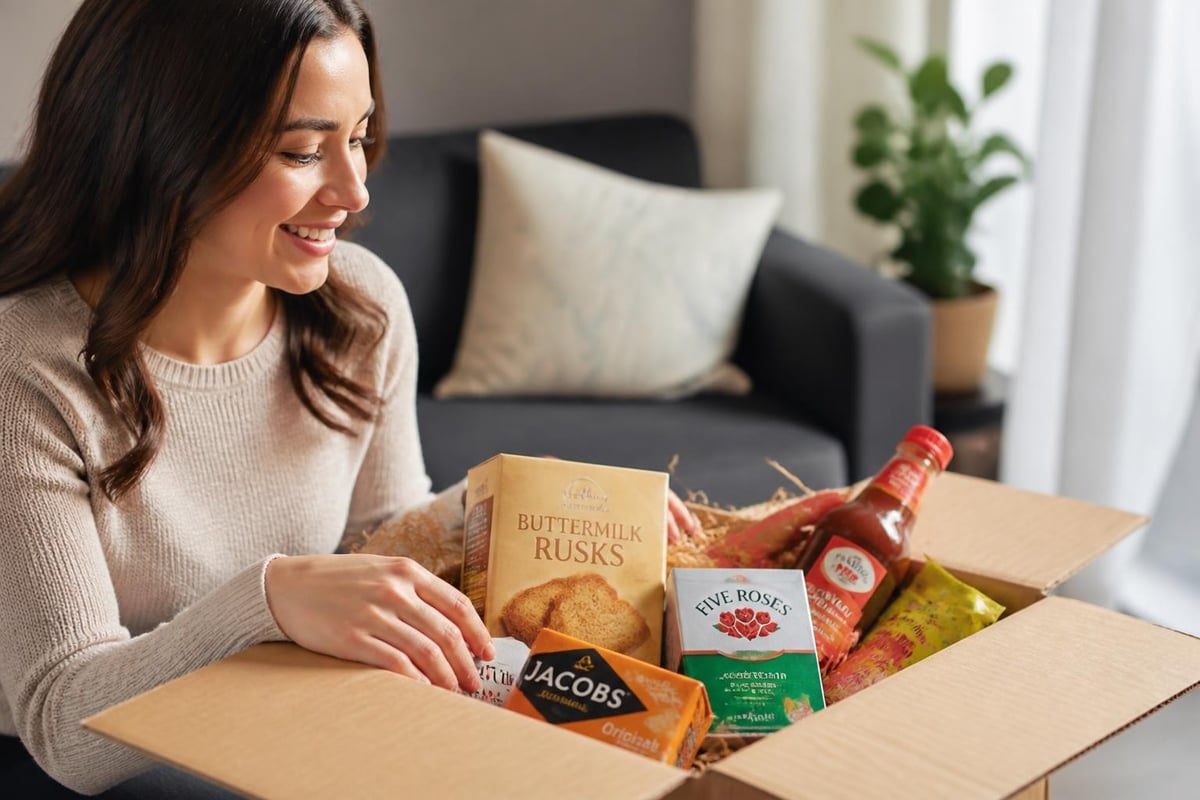
Something From Home operates as a dedicated South African food store in New Zealand, stocking 2,200 South African products in their warehouse. This comprehensive range includes multiple rusk brands and flavours, from traditional Ouma rusks to specialty varieties rarely found elsewhere.
Online shopping provides particular convenience for South Africans living outside major urban centres. Customers throughout New Zealand can order rusks and other South African groceries for delivery, ensuring access regardless of location. This service proves invaluable for maintaining cultural food traditions when physical South African shops aren't nearby.
Advantages of specialty South African stores:
- Authentic products imported directly from South Africa
- Wide variety including regional and seasonal specialities
- Fresh stock with proper rotation and storage
- Cultural knowledge from staff who understand the products
- Competitive pricing through bulk importing and dedicated supply chains
Mainstream Retailers and International Aisles
Select New Zealand supermarkets maintain international or "world foods" sections where South African products occasionally appear. These sections typically stock limited rusk varieties, often only one or two mainstream brands. While convenient for opportunistic purchases, the selection cannot match dedicated South African retailers.
The Rusk Market in New Zealand: Trends and Trade
Understanding the broader context of rusks NZ involves examining market dynamics and trade patterns. The New Zealand crispbread and rusks market analysis provides insights into production, consumption, and forecast trends for 2026, revealing growing interest in these products beyond traditional demographics.
Import and Export Dynamics
New Zealand's relationship with rusks encompasses both imports and exports. While South African rusks arrive as imports serving the expat community, New Zealand also produces and exports toasted bread products. Trade data on New Zealand's exports of rusks and toasted products demonstrates the country's participation in this global market category.
The import market remains driven primarily by South African and British Commonwealth immigrants seeking familiar brands. This creates opportunities for specialized retailers who understand cultural preferences and maintain reliable supply chains from source countries.
Consumer Preferences and Health Considerations
Modern consumers increasingly scrutinize nutritional content, creating demand for healthier rusk options. Whole grain varieties, reduced-sugar formulations, and products free from artificial additives appeal to health-conscious shoppers. The Ministry for Primary Industries guidance on sodium in processed foods influences how manufacturers formulate rusks for the New Zealand market.
The New Zealand Total Diet Study tracks dietary patterns including consumption of products like rusks, particularly among infants and toddlers. This surveillance helps ensure food safety standards protect public health while allowing continued access to traditional foods.
Incorporating Rusks into Daily Life in New Zealand
Successfully integrating rusks into life in New Zealand extends beyond simply purchasing them. Understanding optimal storage, creative uses, and pairing options enhances enjoyment of this traditional food.
Storage and Freshness
Proper storage preserves rusk quality for months. These key practices ensure optimal results:
- Airtight containers: Prevent moisture absorption that softens rusks prematurely
- Cool, dry locations: Avoid humidity and temperature fluctuations
- Original packaging: Resealable bags from manufacturers offer convenient protection
- Avoid refrigeration: Cold storage can introduce unwanted moisture
- Portion control: Transfer small amounts to daily containers while keeping bulk supplies sealed
Well-stored rusks maintain their characteristic hardness and flavour for three to six months, though most households consume them well before expiration dates.
Beyond the Tea Cup: Creative Rusk Uses
While dunking remains the traditional consumption method, creative cooks have discovered alternative applications for rusks NZ. Crushed rusks create excellent cheesecake bases, providing structure and subtle sweetness. Mixed with melted butter and pressed into springform pans, they rival traditional biscuit crumb crusts.
Innovative rusk applications include:
- Topping for baked desserts, similar to streusel
- Binding agent in meatloaf or vegetable patties
- Coating for fried foods when finely ground
- Base layer for trifles and layered desserts
- Texture element in bread pudding variations
These adaptations allow South Africans to incorporate familiar flavours into diverse dishes, bridging traditional and contemporary cooking styles.
The Social Aspect of Rusks in New Zealand's South African Community
Food creates connection, and rusks serve as social catalysts within New Zealand's South African community. Regular gatherings centred around tea and rusks provide opportunities to share experiences, maintain language, and support one another through the challenges of life abroad.
Community Building Through Shared Food Traditions
South African social clubs, church groups, and informal networks throughout New Zealand often feature rusks at their meetings. This simple gesture acknowledges shared heritage while creating welcoming atmospheres for newcomers. The familiar smell and taste immediately signal cultural belonging, easing social interactions and fostering genuine community.
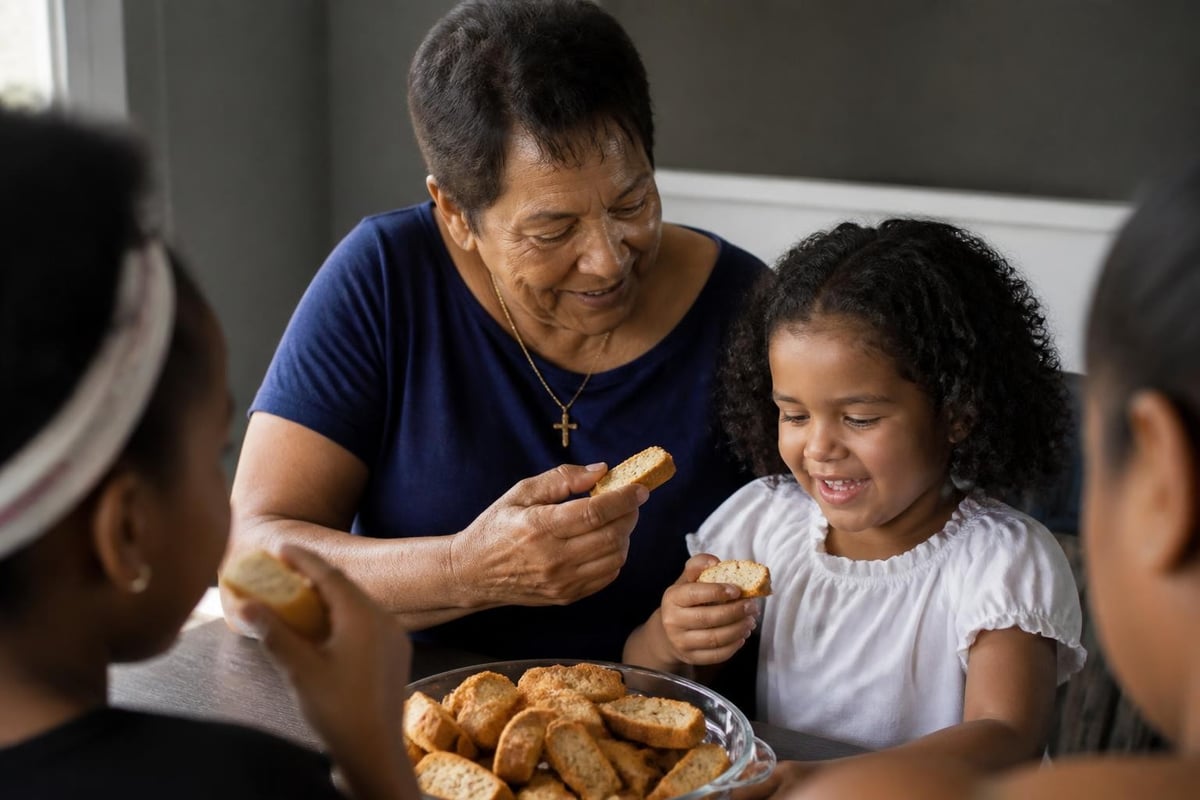
Parents introducing rusks to New Zealand-born children simultaneously share family history and create new traditions. Stories about grandparents dunking rusks in farmhouse kitchens connect generations across oceans, preserving cultural memory through sensory experience.
Complementary South African Products to Enjoy with Rusks
Rusks rarely stand alone in South African food culture. Pairing them with other authentic products creates more complete cultural experiences. Rooibos tea, that distinctly South African beverage, provides the classic accompaniment. Its naturally sweet, slightly nutty flavour complements rusk sweetness without overwhelming it.
Bakers biscuits offer variety when entertaining, while preserves, jams, and spreads transform plain rusks into more substantial snacks. Some South Africans enjoy spreading butter on softened rusks, though purists typically prefer them plain.
Building a Complete South African Pantry in New Zealand
Creating an authentic South African pantry in New Zealand involves sourcing multiple product categories. Beyond rusks, essential items include:
| Category | Examples | Purpose |
|---|---|---|
| Beverages | Rooibos tea, sparkling waters | Daily refreshment |
| Condiments | Braai salt, fish paste | Authentic flavouring |
| Baking | Cake mixes, dessert bases | Home cooking |
| Snacks | Biltong, chocolate treats | Between-meal enjoyment |
| Cooking Aids | Cook-in sauces, spice blends | Meal preparation |
Accessing these products through a comprehensive South African shop ensures consistent availability and authentic formulations, rather than attempting substitutions with local alternatives that rarely capture the same flavour profiles.
Navigating Quality and Authenticity When Buying Rusks NZ
Not all rusks marketed toward South African consumers offer equal quality or authenticity. Discerning shoppers evaluate several factors before purchasing.
Brand Recognition and Heritage
Established South African brands carry reputations built over decades. Ouma rusks, for instance, have been produced since the 1930s, developing loyal followings across generations. These heritage brands maintain consistent recipes and quality standards, ensuring the rusks purchased in New Zealand taste identical to those bought in Johannesburg or Cape Town.
Lesser-known or generic brands may offer lower prices but often compromise on ingredients or traditional methods. Reading ingredient lists reveals whether manufacturers use real buttermilk, quality fats, and appropriate sweeteners, or substitute cheaper alternatives that alter flavour and texture.
Freshness Indicators and Packaging
Quality rusks arrive in sturdy, resealable packaging that protects against moisture and breakage during international shipping. Check expiration dates to ensure reasonable shelf life remains. Broken or crushed rusks, while still edible, indicate rough handling or inadequate packaging.
Reputable South African food stores rotate stock appropriately, placing newer shipments behind existing inventory. This practice ensures customers receive fresh products with maximum remaining shelf life.
Making Rusks at Home in New Zealand
Some enterprising South Africans prefer making rusks from scratch, particularly when seeking specific flavours or controlling ingredients. Home baking offers customization opportunities and can be more economical for large families.
Basic rusk-making involves these steps:
- Mix dough: Combine flour, sugar, butter, eggs, buttermilk, and leavening
- First bake: Pour into loaf pans and bake until set and golden
- Cool and slice: Allow loaves to cool, then cut into thick fingers
- Second bake: Arrange slices on racks and dry in low oven for several hours
- Cool completely: Ensure rusks are fully dried before storage
The process requires patience, particularly during the lengthy drying phase. Authentic texture depends on thoroughly removing moisture without burning. Many home bakers prepare large batches, storing rusks in airtight containers for weeks of enjoyment.
Adapting Recipes for New Zealand Ingredients
New Zealand's excellent dairy products work beautifully in rusk recipes. Local buttermilk, though sometimes less tangy than South African versions, produces acceptable results. Substituting cultured yoghurt thinned with milk creates similar acidity and texture.
Flour differences between countries occasionally require adjustments. New Zealand's standard flour generally works well, though some bakers prefer adding small amounts of bread flour for structure. Experimenting with ratios helps achieve desired results using locally available ingredients.
The Future of Rusks NZ: Growing Awareness and Availability
As New Zealand's South African community continues growing and diversifying, awareness of rusks expands beyond traditional demographics. New Zealanders married to South African partners, adventurous foodies exploring international cuisines, and health-conscious consumers seeking wholesome snack alternatives all contribute to increasing demand.
This expansion encourages more retailers to stock South African products, improving accessibility nationwide. Online platforms particularly democratize access, allowing anyone with internet connectivity to purchase authentic rusks regardless of physical location. Social media communities share favourite brands, recipes, and purchasing sources, building knowledge networks that support both newcomers and long-established residents.
The combination of dedicated South African retailers, online shopping convenience, and growing mainstream awareness suggests rusks NZ will remain readily available for years to come, ensuring this cherished tradition continues flourishing in Aotearoa.
Rusks represent far more than simple baked goods for South Africa's diaspora in New Zealand-they embody cultural identity, family traditions, and comforting daily rituals that connect expats to their heritage. Whether enjoying classic buttermilk varieties, exploring specialty flavours, or introducing children to this beloved tradition, access to authentic rusks helps South Africans feel at home in their adopted country. Something From Home provides New Zealand's South African community with reliable access to genuine rusks alongside thousands of other products from home, delivered throughout the country to keep treasured food traditions alive and thriving.