Biltong Slicer: The Essential Tool for Perfect Slices
For South Africans living in New Zealand, few snacks evoke the same nostalgia as perfectly sliced biltong. While you can easily purchase quality biltong from a South African food store, the art of slicing it properly requires the right equipment. A biltong slicer transforms how you prepare this beloved dried meat, delivering consistent, paper-thin slices that maximize flavour and texture. Whether you're preparing snacks for a rugby match or simply enjoying a taste of home, understanding the different types of slicers and their features helps you choose the perfect tool for your needs.
Understanding the Purpose of a Biltong Slicer
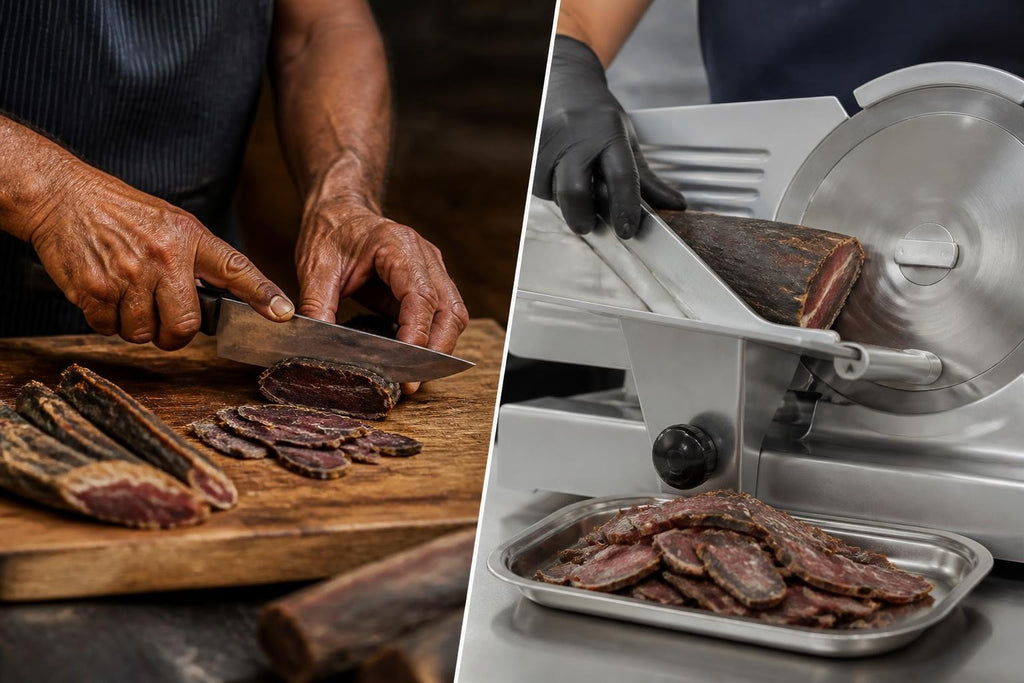
Traditional biltong preparation involved slicing thick pieces of dried meat with a sharp knife, a method that works but presents several challenges. Hand-cutting biltong often results in uneven thickness, difficulty achieving thin slices, and increased risk of injury when handling the blade.
A dedicated biltong slicer addresses these concerns through specialized design. These tools clamp the biltong securely, guide the blade at a consistent angle, and maintain uniform thickness across every slice. The result is professional-quality presentation that enhances both the eating experience and safety during preparation.
South Africans who've relocated to New Zealand often find that proper equipment helps maintain culinary traditions. When you're far from home, having the right tools to prepare familiar foods becomes particularly meaningful. Something From Home understands this connection, offering 2,200 South African products that help Kiwi-based South Africans maintain their food culture.
Benefits Beyond Basic Cutting
The advantages of using a specialized slicer extend beyond simple convenience:
- Consistency: Every slice maintains the same thickness, ensuring uniform drying if you're making your own biltong
- Efficiency: Slice larger quantities quickly, perfect for entertaining or weekly meal preparation
- Safety: Secure clamping mechanisms keep fingers away from sharp blades
- Waste reduction: Precise cutting minimizes dropped pieces and unusable ends
- Texture control: Adjust thickness to suit personal preferences, from paper-thin crisps to chewier cuts
Types of Biltong Slicers Available
The market offers several distinct categories of slicers, each designed for specific usage patterns and volume requirements. Understanding these differences helps match the right tool to your needs.
Manual Hand-Operated Slicers
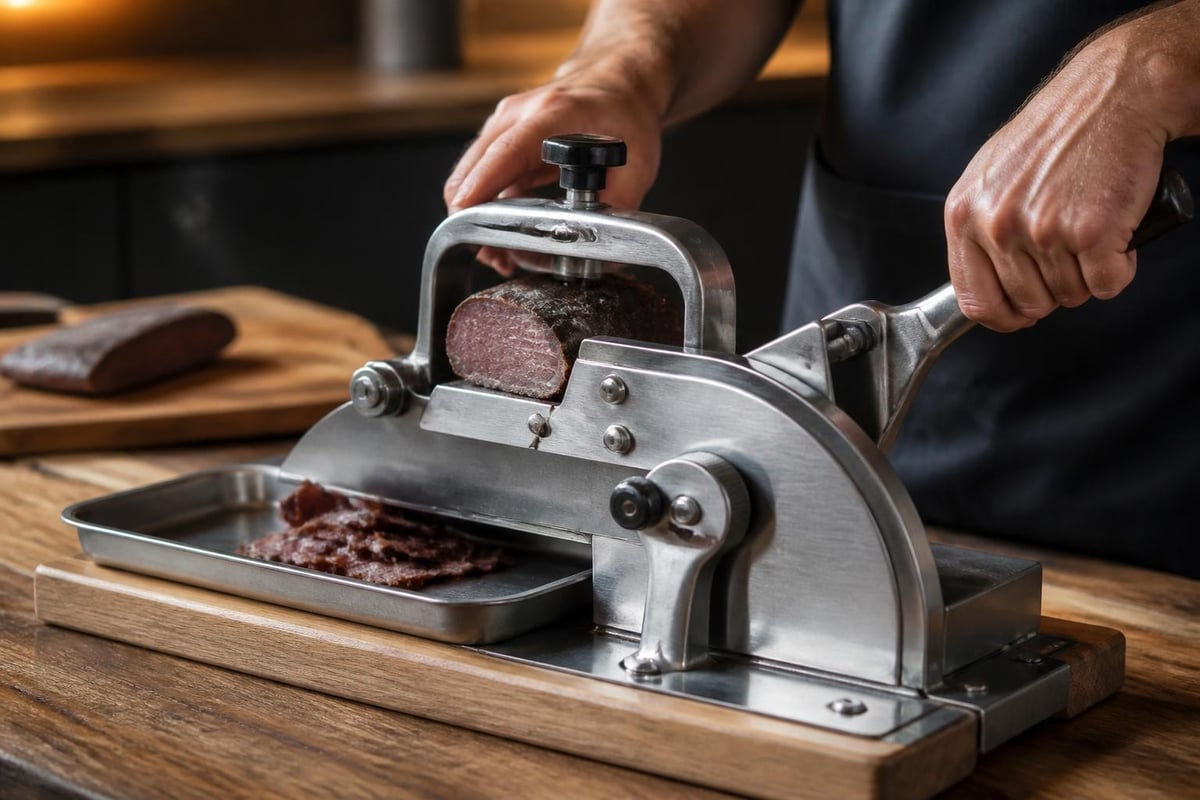
Manual slicers dominate the home-use market, combining affordability with effective performance. The Claasens Hand Biltong Slicer exemplifies this category, featuring a patented spiral blade that delivers consistent 2mm slices. These devices typically mount to countertops or tables, using a hand crank to draw the biltong across a fixed blade.
| Feature | Benefit | Consideration |
|---|---|---|
| Manual operation | No electricity required | Requires physical effort |
| Compact design | Easy storage | Limited to smaller pieces |
| Affordable pricing | Budget-friendly entry point | Slower than electric models |
| Portable | Take anywhere | Needs stable mounting surface |
Electric Commercial Slicers
Butcheries, delis, and high-volume users typically invest in commercial-grade equipment. The BSB2003 Biltong Slicer from Butcherquip showcases commercial specifications, including a die-cast aluminium body and safety cut-out features. These machines handle continuous operation, processing significantly larger volumes than manual alternatives.
Electric models suit retail environments where speed and volume matter most. While they're less common in home kitchens, serious biltong enthusiasts who regularly entertain large groups sometimes justify the investment.
Handheld Slicing Tools
Handheld models offer maximum portability and simplicity. The Tekut Biltong Slicer from Isosteel features a stainless steel blade with an ergonomic handle and built-in sharpener. These compact tools resemble specialized cheese slicers, requiring steady hands but offering unmatched flexibility.
Advantages of handheld models:
- No mounting required
- Travel-friendly size
- Quick setup and cleanup
- Ideal for occasional use
- Lower initial cost
Key Features to Consider
Selecting the right biltong slicer requires evaluating several critical specifications that directly impact performance and user experience.
Blade Quality and Material
Stainless steel blades resist corrosion from the salt and spices used in biltong curing. Premium slicers feature surgical-grade steel that maintains sharpness through extensive use. Some models incorporate spiral or serrated designs that pull the meat across the blade rather than requiring excessive downward pressure.
The Kalahari Khabu Heritage Biltong Slicer demonstrates advanced blade engineering, with a patented design that handles various biltong styles and moisture levels. Blade replacement availability also matters, as even the highest-quality steel eventually dulls with regular use.
Thickness Adjustment Capabilities
Flexibility in slice thickness separates basic models from versatile tools. While some slicers lock into a fixed 2mm setting, adjustable models range from wafer-thin 2mm cuts up to 18mm chewier slices. This adjustability accommodates different biltong styles and personal preferences.
The Biltong Slicer from Biltong House features a curved board and blade configuration specifically designed for ultra-thin slicing, perfect for those who prefer crispy biltong chips over thicker, chewier pieces.
Safety Mechanisms and Design
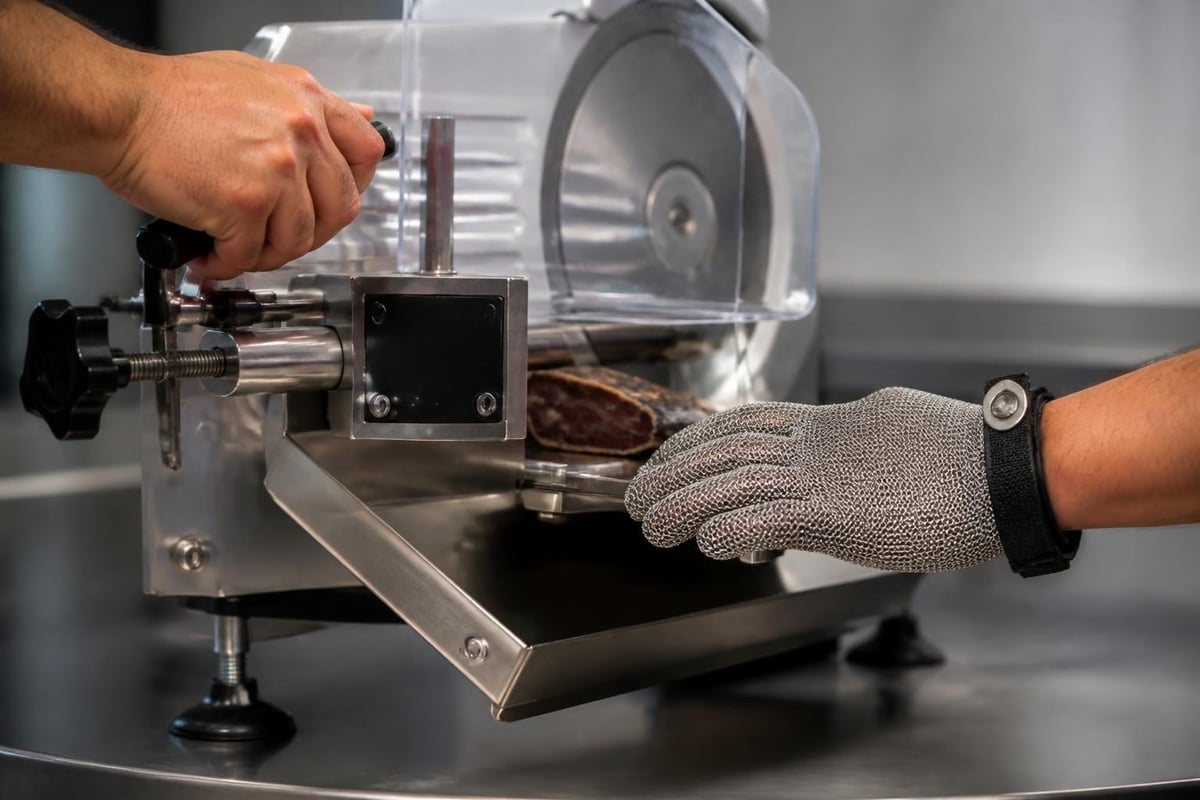
Safety features distinguish well-engineered slicers from potentially dangerous alternatives. Protective hoods cover exposed blades when not in use, while secure clamping mechanisms prevent the biltong from shifting during cutting. Safety demonstrations like this one emphasize the importance of proper operation techniques and built-in safety features.
| Safety Feature | Function | Why It Matters |
|---|---|---|
| Blade guard | Covers sharp edges | Prevents accidental contact |
| Non-slip base | Stabilizes during use | Reduces movement and slipping |
| Secure clamp | Holds biltong firmly | Keeps hands away from blade |
| Safety cut-out | Stops electric models automatically | Emergency protection |
Using Your Biltong Slicer Effectively
Proper technique maximizes both safety and results. Whether you own a manual or electric model, following best practices ensures consistent performance and longevity.
Preparation Steps
Before slicing:
- Secure the slicer to a stable surface using mounting clamps or suction feet
- Ensure the blade is sharp and properly aligned
- Adjust thickness settings to your desired specification
- Place a collection tray or plate beneath the output area
- Trim any uneven ends from the biltong piece
Operating Techniques
For manual models, maintain steady pressure and consistent cranking speed. Rushing the process often results in uneven slices or jammed mechanisms. Electric slicers require careful feeding, allowing the motor to do the work rather than forcing the meat through.
This operational demonstration shows proper hand positioning and movement patterns that optimize both safety and slice quality. Notice how the operator maintains control throughout the process while keeping fingers clear of the blade path.
Maintenance and Cleaning
Regular maintenance extends slicer lifespan significantly. After each use, remove all meat particles and wipe down cutting surfaces with food-safe cleaners. Stainless steel components benefit from occasional oiling to prevent corrosion, particularly in humid environments like coastal New Zealand regions.
Maintenance checklist:
- Disassemble removable parts after each use
- Clean blade edges carefully with a brush
- Dry all components thoroughly before storage
- Check mounting hardware for tightness
- Sharpen or replace blades as needed
- Apply food-grade lubricant to moving parts
Choosing the Right Model for Your Needs
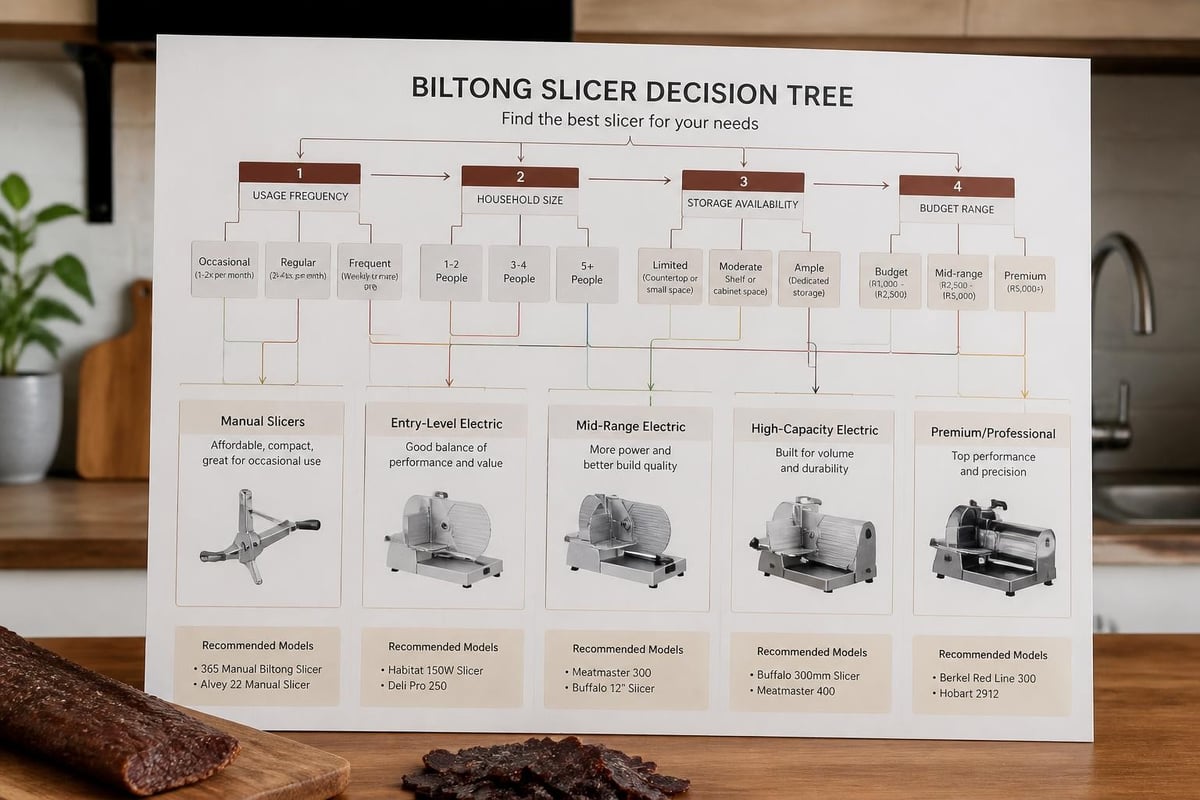
The ideal biltong slicer depends on usage frequency, volume requirements, available storage space, and budget constraints. Home users who slice biltong weekly for family snacking have different needs than someone preparing for large gatherings or considering small-scale commercial production.
Home Use Considerations
Most households find manual slicers sufficient for their needs. Models like the adjustable Claasens slicer available from Crown National offer the flexibility to adjust slice thickness between 2mm and 9mm, accommodating various preferences within one family. These mount securely to kitchen counters and store compactly when not needed.
Budget-conscious buyers should consider total cost of ownership. While handheld models cost less initially, they may require more frequent blade replacement and demand greater physical effort. Mid-range manual slicers often provide the best long-term value for regular home use.
Volume and Frequency Factors
| Usage Pattern | Recommended Type | Key Features |
|---|---|---|
| Occasional (monthly) | Handheld slicer | Portability, simple cleaning |
| Weekly family use | Manual mounted slicer | Adjustable thickness, durable construction |
| Entertainment/gatherings | Premium manual or entry electric | Speed, consistency, larger capacity |
| Small business/commercial | Commercial electric | High-volume capability, safety certifications |
The South African Connection in New Zealand
For South Africans living in New Zealand, maintaining food traditions provides cultural continuity and comfort. The ritual of slicing biltong connects back to memories of braais, rugby matches, and family gatherings. Having proper equipment transforms this from a challenging chore into an enjoyable activity that can involve children and share heritage.
New Zealand's South African expat community has grown substantially, particularly in Auckland, Wellington, and Christchurch. This population seeks authentic products and tools that replicate the experiences they remember from home. A quality biltong slicer becomes more than a kitchen gadget; it's a bridge to cultural identity.
Availability in New Zealand
While specialized South African equipment isn't always readily available in mainstream New Zealand retailers, dedicated importers serve this market. South African food stores understand the importance of offering not just the food products themselves but also the tools needed to prepare and enjoy them properly.
When searching for South African snacks, groceries, and specialty items, expats appreciate comprehensive selections that go beyond just rusks and Mrs. Ball's chutney. The ability to purchase authentic biltong and the proper slicing equipment in one location simplifies maintaining food traditions despite being thousands of kilometres from South Africa.
Complementing Your Biltong Experience
A biltong slicer works best as part of a complete South African snacking setup. Pairing perfectly sliced biltong with other traditional treats creates authentic experiences that transport you home.
Traditional Pairings
South African food culture celebrates specific flavour combinations that enhance the biltong experience. Consider these classic pairings:
- Biltong and Tennis biscuits: The sweet, creamy biscuit contrasts beautifully with salty, savoury biltong
- Biltong with dried wors: Mixed cured meats provide variety in texture and seasoning
- Biltong alongside nuts: Traditional pub snacks that complement each other
- Biltong with sharp cheddar: Classic South African combination for entertaining
Storage Solutions
The handcrafted biltong cutter from Biltong Depot includes a removable catch pan, highlighting how thoughtful design extends beyond just cutting functionality. Proper storage of both the slicer and the biltong itself maintains quality and prevents waste.
Store sliced biltong in breathable paper bags rather than plastic, allowing any residual moisture to escape while preventing complete desiccation. Unsliced pieces keep longer, making it practical to slice only what you'll consume within a few days.
Making Biltong Part of Daily Life
Beyond special occasions, incorporating biltong into regular meal planning provides protein-rich snacking options that align with many dietary preferences. Sliced biltong works well in salads, on charcuterie boards, or as a protein boost during hiking and outdoor activities that New Zealand offers in abundance.
The convenience of thinly sliced biltong makes it more versatile than thicker, hand-cut pieces. Children find thin slices easier to chew, while older adults appreciate the tender texture. Adjusting your biltong slicer to produce various thicknesses means one tool serves the entire household's preferences.
Entertaining Applications
When hosting gatherings, presentation matters. Uniformly sliced biltong arranged on platters demonstrates attention to detail that guests appreciate. Whether you're celebrating a Springbok victory or simply enjoying a weekend braai, professionally sliced biltong elevates the occasion.
Entertaining tips:
- Slice biltong fresh on the day of your event for best texture
- Offer multiple thickness options to suit different preferences
- Display slicers at casual gatherings for interactive preparation
- Pair with complementary South African snacks for authentic experiences
- Include information cards explaining biltong to non-South African guests
Health and Dietary Considerations
Biltong's high protein content and low carbohydrate profile align with numerous dietary approaches popular in 2026. Properly sliced biltong integrates easily into keto, paleo, and low-carb eating plans. Thinner slices offer portion control advantages, as the larger surface area provides satisfying flavour from smaller quantities.
Using a biltong slicer allows precise portion management. Pre-slicing weekly portions into individual containers supports meal planning and prevents overconsumption. This approach particularly benefits those monitoring protein intake or managing specific dietary requirements.
Texture and Digestibility
Slice thickness directly impacts digestibility and eating experience. Ultra-thin slices crisp quickly in the mouth, while thicker cuts require more chewing. For those with dental concerns or jaw sensitivities, adjusting your slicer to produce thinner cuts makes biltong more accessible without sacrificing the authentic taste and experience.
Investment Value and Longevity
Quality biltong slicers represent multi-generational investments when properly maintained. Well-constructed manual models function for decades with minimal maintenance, developing the kind of patina and character that tells stories of family gatherings and cultural preservation.
When evaluating cost, consider price per use over the equipment's lifespan rather than just initial purchase price. A premium slicer used weekly for ten years costs mere cents per use, while delivering consistent performance that cheaper alternatives cannot match. This long-term perspective helps justify investing in quality equipment that serves reliably.
| Investment Level | Typical Cost Range (NZD) | Expected Lifespan | Best For |
|---|---|---|---|
| Entry handheld | $25-60 | 2-4 years | Occasional users |
| Quality manual | $80-200 | 10-20 years | Regular home use |
| Premium manual | $200-350 | 20+ years | Frequent users, gift quality |
| Commercial electric | $500-2000+ | 10-15 years (heavy use) | Business applications |
Selecting and using the right biltong slicer transforms how you prepare and enjoy this quintessential South African snack. Whether you prefer thin, crispy slices or thicker, chewier cuts, the proper equipment ensures consistent results while maintaining safety and efficiency. For South Africans in New Zealand seeking authentic products and the tools to prepare them properly, Something From Home offers a comprehensive range of South African groceries, snacks, and specialty items that help maintain cherished food traditions despite the distance from home.